Full article about Ferreiros de Tendais: where anvils once sang at dawn
Walk mill-stream trails, taste icy levada water and toast Padre Pinto in Cinfães’ mountain forge-vil
Hide article Read full article
Dawn on the Anvil
The ring of iron on iron still echoes before sunrise. It ricochets up the granite slope, rattling the schist windows as though someone is impatient at the door. Ferreiros de Tendais – literally “smiths of Tendais” – wakes to the beat that christened it. Outsiders assume the story is folklore, yet until 1983 António Monteiro, the last village blacksmith, worked this very corner by the church, forging gates that were weighed and paid for like bullion. His anvil site, the Martírio, is now a thicket of brambles, but the name survives as proof that serious craft once happened here.
Iron and incense
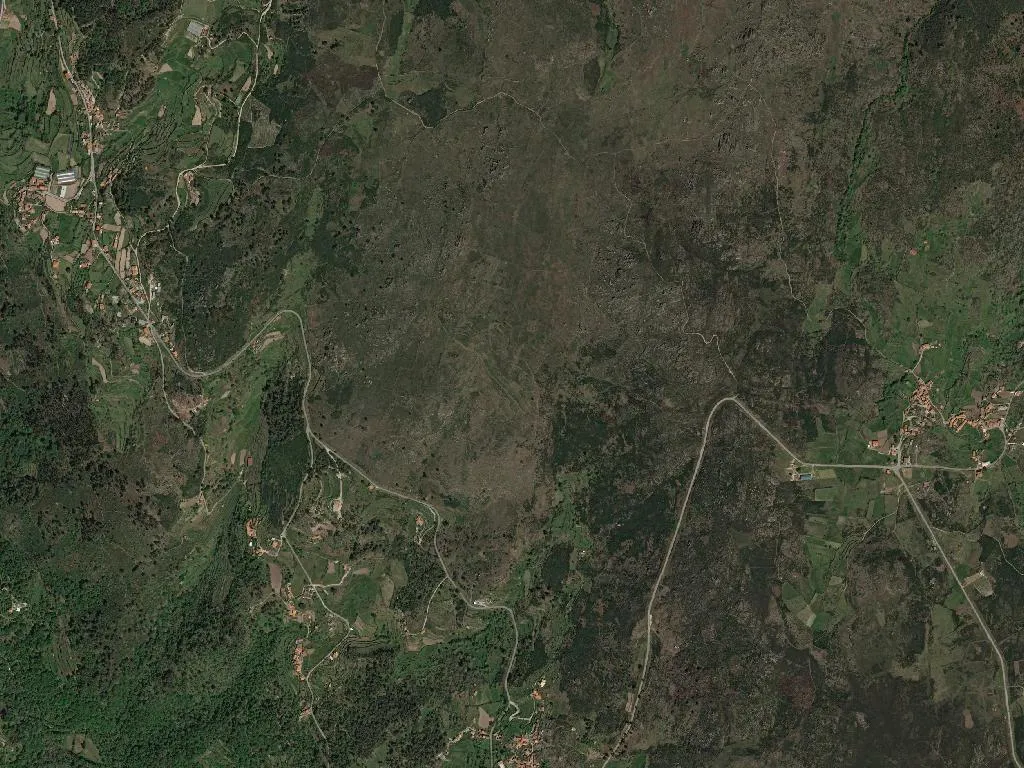
773 m above sea-level means January air that slices your cheeks and August nights cool enough for a duvet. The Ferreiros stream drops steeply, feeding the handful of mills that once turned the valley into a hive of industry; only one wheel still grinds, and then solely for pre-booked tours. The Caminho dos Moinhos is a six-kilometre saunter for the time-rich: pack a coat you can peel off and a bottle for the levada’s icy water – there is no kiosk, no café, no signal.
The parish church of São João Baptista is limewashed so blindingly white you’d think lime cost nothing. Inside, a gold-leaf altarpiece gleams thanks to Padre Joaquim Augusto Pinto, who during his 42-year tenure bullied, charmed and bartered the village into the 20th century. Locals still raise a glass to him in Bar do Crispim, insisting he achieved more than any town-hall bureaucrat. On the granite porch the old lean against the cross-head balustrade, timing life by the three annual processions that clatter down Rua Direita.
The Romaria de São Pedro, last Sunday in June, is pure high-summer anthropology: double-parked cars, toddlers clutching candy-pink clouds of algodão doce, and returnees who “only come because it’s tradition”. The saint’s chapel perches above the village; the climb is a lung-burning track that punishes anything smarter than trail shoes. Quieter, grimmer, is the September Romaria do Senhor dos Enfermos, born after typhoid claimed fourteen villagers in weeks. They say the chapel’s altar boards were salvaged from Douro barges – timber that once knew only river squalor before it met incense.
Fire, meat and Loureiro
Forget restaurant mark-ups; wait for the annual festa when the square becomes an open-air kitchen. Carne Arouquesa DOP steaks sputter over eucalyptus embers, slapped onto clay plates with fist-cracked potatoes that scald your fingerprints. Ferreiros-style rojões follow an immovable formula: smoked belly pork, colour-shifting paprika, a slosh of white wine to cut the fat. Dona Alda’s wood-oven bolo de milho appears only when the coals subside – bring your own butter if you can coax a pat from her “under-the-counter” dairy stash.
Fill your glass with Loureiro from the Sousa sub-region: pale, almost weightless, it disappears from the glass the way dew does from grass. In November the scarlet arbutus berries ripen; someone’s cellar still houses a copper alembic that will run a night-long stream of medronho brandy. One measured tot is enough to heat an entire December evening.
Landscape without a soundtrack
Of the 540 residents, half draw pensions and the other half left “to earn real wages in Porto”. What remains are terraced vines clinging to dizzy schist walls, rye fields gone to bracken, and the evening ritual: when the sun slips behind the Serra de Montemuro and the church bell counts six, thin threads of hearth-smoke rise like departing ghosts. The day is over; the hammer will not sound tomorrow.