Full article about Travanca: smoke, Vinho Verde & a village that time forgot
Cinfães hamlet where schist roofs cling to Douro cliffs and beef simmers three hours
Hide article Read full article
Smoke drifts like it has all the time in the world
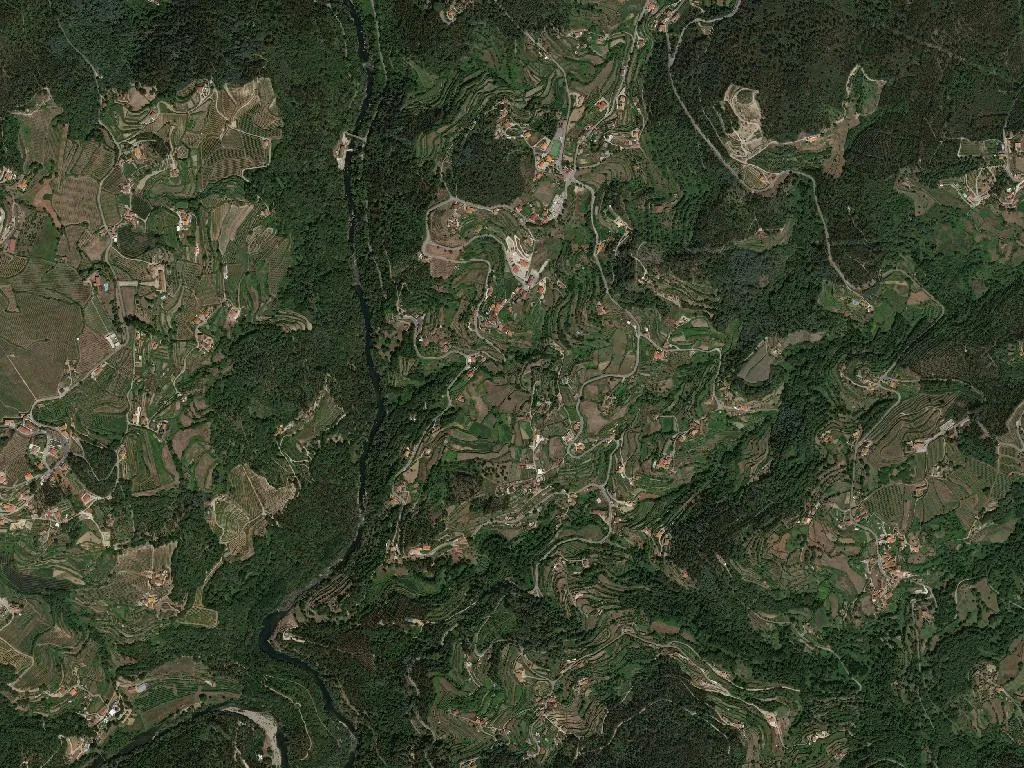
Wood-smoke unspools from the chimneys at the speed of a parish that refuses to be rushed. Somewhere below, the Douro slips past unseen, but the river’s breath climbs the valley – damp air, the mineral smell of wet schist – and settles in the fibres of your jumper. Travanca hangs at 111 m above sea level, a stack of smoke-dark cottages that look hewn from the same rock they stand on, each roof pitched slightly sharper than the one beneath it, as though the village is still scrambling uphill. Population: 712. I checked yesterday in the bar; Zé Manel tallied heads on a beer mat. “Exactly that,” he said, “or the coffee runs out on Sunday.”
Where the wine is green and the beef has a passport
The terraces of Loureiro and Arinto drop so steeply they feel like ladders to the water. Everything here is Vinho Verde – whole crates bottled in a single harvest afternoon, the sort that disappears at table before anyone remembers the label. What you do remember is the Carne Arouquesa: cattle that graze above the treeline where even the oxen pause for breath. The meat is almost burgundy, dark from a life of inclines. Dona Rosa will cook it at the Restaurantinho, but you must order the day before; the joint needs three hours in the pot “or it tastes like any other,” she warns, tapping the lid with a wooden spoon the colour of mahogany.
Three saints’ days and a funeral
The village swells three times a year. São João is the loudest: sardines blackened on street-side braziers, wine poured like water, and a bass drum that can be heard on the opposite ridge. Senhor dos Enfermos is quieter, busloads from Viseu, some on their knees, others staring only at the cobbles. Between processions Dona Albertina sells queijadas the size of a 50-p piece – two bites, one euro. “So we don’t get fat,” she lies, already folding another tray into the oven.
Stone with a story, but not too much
The state calls the 13th-century Igreja Matriz “public property”; inside, a faded 17th-century panel shows St Michael weighing souls like a market trader with brass scales. The rest is what you see: houses still holding, three chapels you can walk into without paying, and a granite cross where old men sit and read the weather in the clouds. It isn’t Batalha, but it is theirs.
What stays and what leaves
Below the hairline of the village the demographic is silver. The young defect to Porto for “studies”, find girlfriends, forget the syllabus. Left behind are the ones who still know how much water a wood-fired oven needs before the bread goes in, how to trim a vine so it doesn’t drown in its own sap. Occasionally a thirty-something returns – usually to enrol a child in the primary school where Latin script is still copied with fountain pens and phones stay in rucksacks until the final bell.
When the sun slips behind the Serra de São Domingos the vine rows throw shadows like giant fingers closing on the roofs. The church bell counts the day off; kitchen lights answer one by one. Wood-smoke meets the colder tang of chouriço curing in back pantries. Nothing has happened, and everything continues. Travanca keeps its own tempo: slow, deliberate, asking nothing of anyone.