Full article about Ferreirim: Douro silence steeped in schist and wine
Ferreirim hamlet near Lamego offers silent schist lanes, parish processions and lipstick-red vines above the Douro.
Hide article Read full article
Ferreirim: the silence that has body
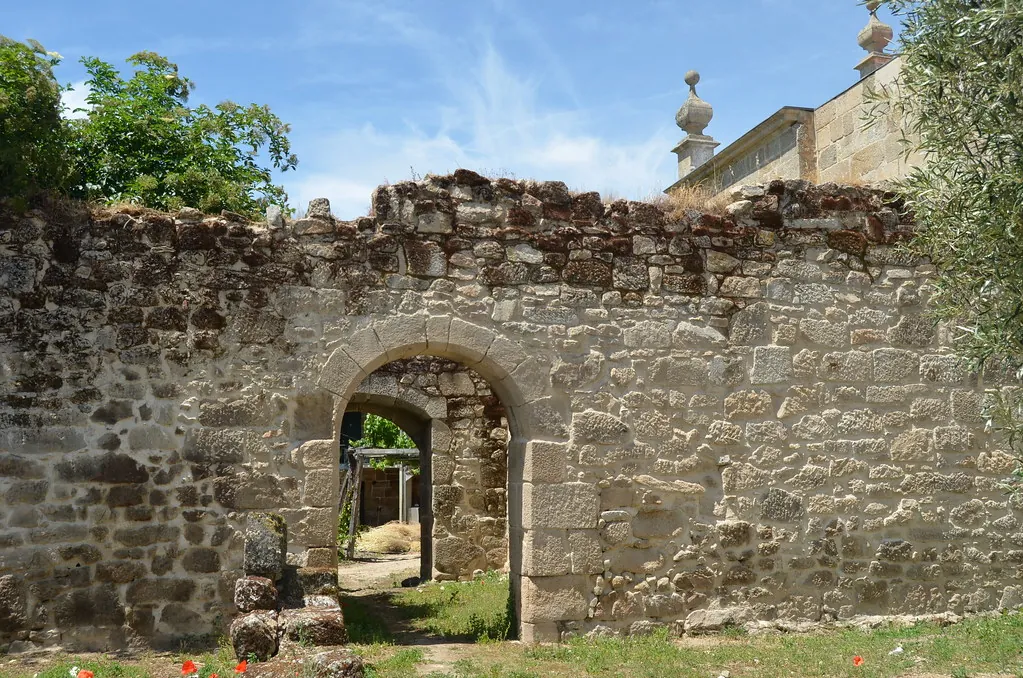
The silence in Ferreirim is not absence but presence – the hush you feel when you step into a kitchen where coffee was ground an hour ago. At 525 m the hamlet clings to a schist rib of the Douro uplands, its walls veined with the same slate that props up terraces of vines stitched to the valley like green buttonholes. Eight-hundred-and-ninety-eight people live here, though the number swells when the vines turn garnet and the smell of crushed grapes drifts through bedroom windows.
The name, old voices insist, recalls the smell of scorched iron when surface ores were roasted in charcoal piles. The furnaces are gone; only the suffix remains, the way an English cooper keeps the surname long after the barrels are sold.
Our Lady of Remedies and the baroque that never showed off
The parish church sits square in the middle, neither grand nor apologetic – a coat left on the back of a chair. Documents filed in Lamego call it baroque; locals call it “the white one”. Its stone portal has served as viewing platform for three generations watching the September procession, a slow-motion parade that fills the churchyard the way Wembley fills on Cup-final day – only here the soundtrack is a women’s choir and the refreshment is plastic-flagons of last year’s red.
Two Caminos and the coffee that isn’t
Two stubby yellow arrows of the Santiago network slash across the village, but walkers are scarce. Those who do appear ask for coffee and are directed two kilometres east to the N2 where a pastelaria doubles as iron-monger and sells custard tarts beside boxes of six-inch nails. The arrows feel like a polite Post-it: “Pass, but don’t make a fuss.”
UNESCO lists the surrounding mosaic of walled vineyards as World Heritage; farmers list it as the plot that paid last year’s school fees. In late October the leaves glow the colour of lipstick forgotten in a hot wash.
What the ground gives: the table
The menu is a ledger of altitude. Chanfana – goat braised in red wine and pig’s lard – comes from animals that grazed above the village; wild-boar stew from the cork-oak ridge where Zé still hunts ceps. Grandmother’s broa, a corn and rye loaf dense enough to moor a boat, soaks up rabbit sauce thickened with liver. The wine is Douro, yes, but not the medal-winning kind; it travels from a neighbour’s quinta in five-litre plastic jerry-cans and tastes of granite and aluminium press. On feast days the sweets appear: toucinho-do-céu, an egg-yolk and almond slab that could plug a window, and pastéis de ovos, the custard tarts an aunt once supplied to the bakery and now keeps for visiting grandchildren.
Advice for outsiders
Arrive in low gear. There is no gift shop, no selfie-frame, no interpretative centre. Instead you get Mr António who asks where you’re from, mentions two decades in France, then adds, “The ground whistles you home.” A farm dog will inspect your trousers and decide whether you stay. The nearest “viewpoint” is a boulder beside the compost heap; from it the Douro valley rolls out like a bolt of brown corduroy, and you understand why no one answers estate-agent calls about Grandfather’s quinta.
Stay for sunset. When the sun slips behind the Marão range the schist walls glow rust-coloured and the silence – the one with body – settles again. Ferreirim is not a place you tick off. It is ballast: a small, dark stone you slip into your pocket and discover months later, still warm.