Full article about Figueira’s sun-baked terraces hum with grape-split scent
Where Varosa glints, schist walls echo concertina cuts and tooth-chipped lagar tales
Hide article Read full article
Schist that warms in the September sun
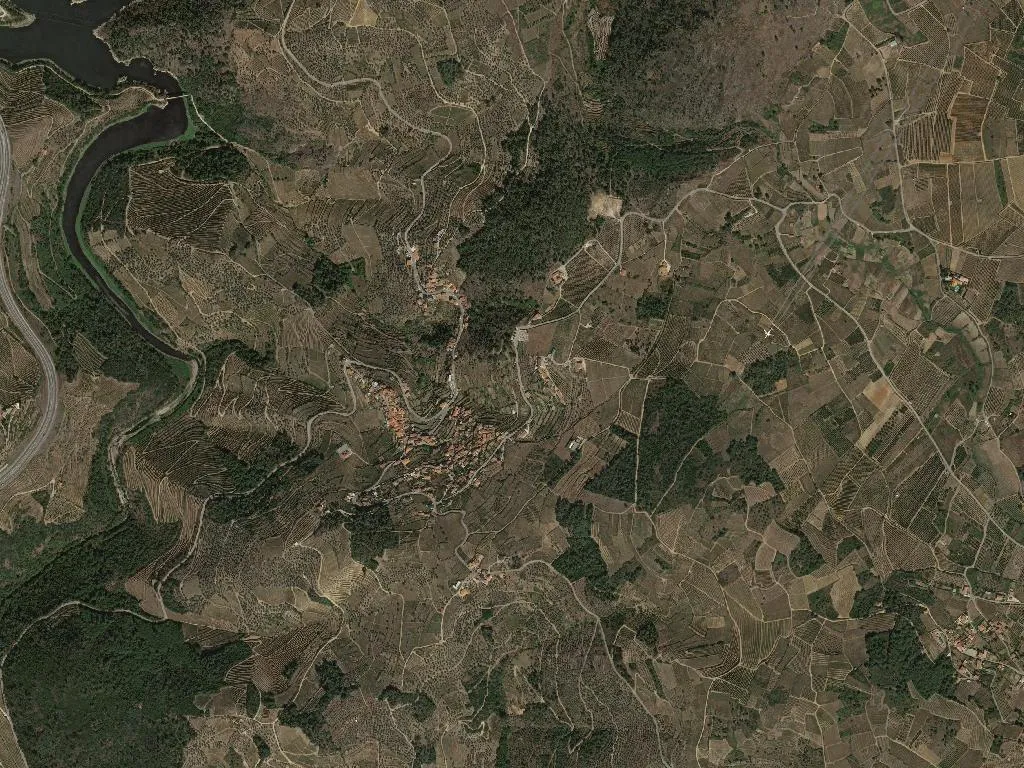
The terraces hold the day’s heat and, where they tilt down to the Varosa, the air smells of grapes about to split. Somewhere below I can almost hear Zé Manel’s concertina – three wheezing notes that mark the rhythm of the cutters. He was born here, married a girl from Lamego and came back so the family vines wouldn’t go to ruin. Journalists keep declaring the harvest dead; Zé Manel says the bother isn’t the work, it’s tourists wanting selfies with his wicker basket.
Dry-stone memory
Each retaining wall was laid one stone at a time, between nips of bagaço and promises to turn up at Mass next Sunday. The men who built them couldn’t spell ‘terroir’, but they could calculate: if it rains until Easter there will be enough wine left to trade with Lamego’s gunsmith. Phylloxera halved the village and shipped the rest to Brazil; a few returned with a grafting trick still taught at Lamego’s agricultural college. In the communal adega the granite lagar bears a chipped hollow – the spot where my grandfather slipped in 1958, snapped a front tooth and still trod enough juice to fill twelve barrels. The wooden press stands beside it, now a weekend prop for visiting photographers.
Stone, carving and five-o’clock gold
The parish church is eighteenth-century, but what matters is that the door still groans exactly as it did fifty years ago. The new priest wants to replace the lock; old Dona Amélia objects – “That creak brings people in, Father.” Inside, the gilt altar only ignites when the five-o’clock sun slants through the door, the same light my grandfather prayed beneath when he wanted less rain. In the Casal hamlet the chapel of St Anthony keeps a wayside cross whose date has been worn away; pilgrims bound for Santiago once stopped to swap bread and gossip. They still trade things – sponge-cake recipes, village rumours and, occasionally, an illegal lottery number.
Torches, chicken broth and an accordion that clocks off
The second Sunday is Nossa Senhora dos Remédios. On the eve children parade with cane torches, terrorising cats and anyone carrying a camera. The chicken broth is ladled from cast-iron pots; find a twig in your bowl and you’ve earned a year of luck, though no one can explain why. The cornbread is baked by Guida, who only fires up her wood oven if her husband brings maize back from the Thursday market in Sequeiro. The dance starts at nine and finishes when the accordionist is tired – usually around one, because he still has to drive his son to archery practice in Lamego next morning. In May comes the Flower Festival, invented by a returned emigrant who announced that “culture can shift almond liqueur”. He was right: the cobbled lanes are now full of iPhone-waving visitors, yet the bottles still sell out.
Wood-fired kid and auntie’s jeropiga
The kid goat goes into the bread oven at dawn; watchers sip a glass of bagaça “to give the fire courage”. Carqueja shoots are picked after Midsummer, dried in the loft and reappear months later in rice that makes unaccustomed guests sneeze with its bitterness. October’s chestnut soup is thick as mud; you eat it standing because no one can be bothered to sit. The little bride cakes are an old ruse – same dough as the convent fritters, but filled with Dona Rosa’s egg-yolk jam, sold in three-euro jars with the warning: “Never rush, never marry a bore.” Jeropiga, the fortified must, is drunk in near-silence; talk too much and you’ll confess things you meant to keep.
A river that takes its time
The Varosa is modest but useful. Its schist “beaches” amount to three and a half rocks, yet they suffice for children learning to swim while parents stand guard with beers in hand. The trail begins behind Quim’s bar: arrive at ten and you’ll still catch the scent of dough he left rising in the back seat of his car because the kitchen is too small. Eight kilometres, three ruined watermills and a bridge everyone calls Roman – no proof, but it justifies the 50-cent toll Germans happily pay. From the Senhora do Monte lookout the entire Douro valley opens; bring a jacket because the wind changes its mind every five minutes.
When the sun drops the concertina falls silent. Baskets rest against the lagar and Zé Manel slides the instrument into the biscuit tin his wife keeps for leftovers. The last grape falls, the schist cools, but the scent lingers – locals call it “the perfume of Figueira”, though no one has managed to trap it in a bottle.