Full article about Souto d’El-Rei: Christmas rattles echo off schist
Children trade drum-beat on walls for bolo-rei; olives pressed since 922 scent the air
Hide article Read full article
The rattle precedes the children
December in Souto d’El-Rei begins with percussion: hand-carved wooden rattles clack against schist walls, a sound that has ricocheted through these streets since 1900. The Chocalhada de Natal sends scarf-wrapped children from door to door, trading rhythm for slices of bolo-rei – a yeast-bread fruited with crystallised pumpkin and topped with glacé cherries. No rehearsal needed; the beat is hereditary.
Olive groves that once paid Moorish tax
An olive tree east of the village is cited in a 922 charter: Muslim tenants rendered a tenth of their oil to the ribāt fortress at Lamego. Four granite water-mills at Boassas have turned since at least 1072; inside one, the date is chiselled into a windowsill. The co-operative press opens only for the November-December harvest: local galega and cobrançosa fruit yields an extra-virgin oil, €8 a litre if you bring your own bottle.
Hill-fort with a river view
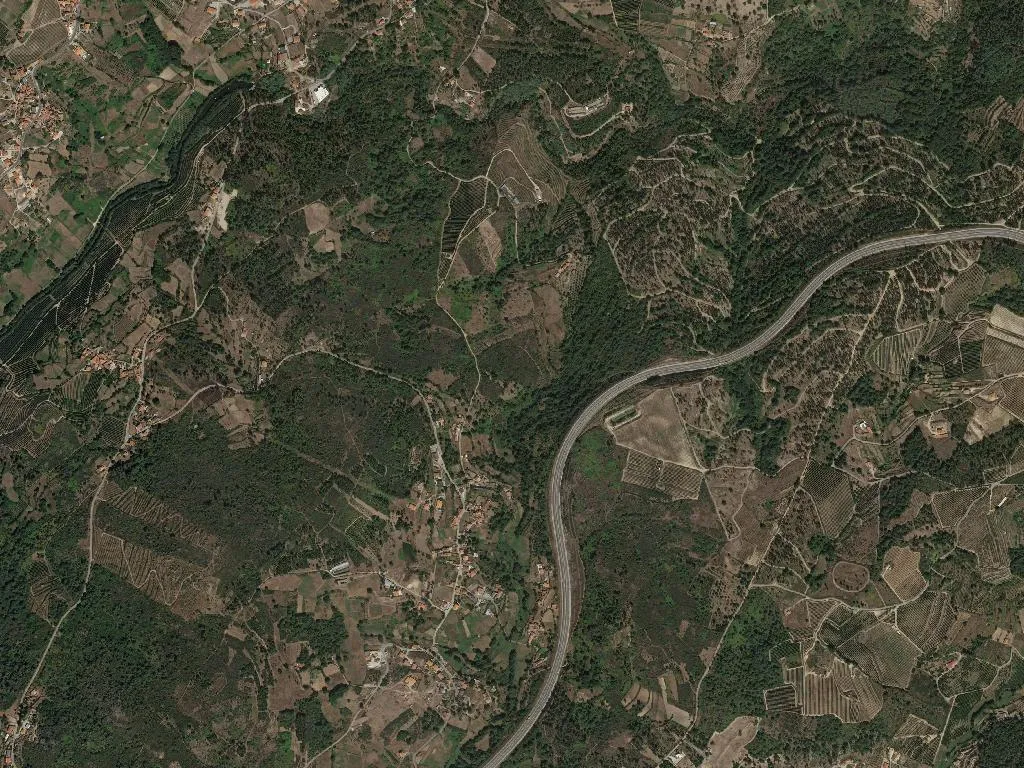
Climb 15 minutes to the Castro do Morro da Mogueira – free, no barriers. Arab battlements sit directly on Roman masonry; from here the Douro glints like polished pewter beneath the N514 bridge, a ribbed Romanesque span patched in the Middle Ages. Below, Casa do Cubo at Boassas is a 16th-century manor whose triple-storey granary still overhangs the lane; it remains private, but the façade is exhibition enough.
Walking to Lamego the wrong way
The inland route of the Caminho de Santiago cuts through the parish: 15 km way-marked in yellow arrows. Each September the Romaria dos Remédios reverses the pilgrimage – walkers leave the village chapel at 08:00, reach Lamego cathedral by 11:30, then board the 17:00 bus back (€3.50). The path threads vineyards and terraces of cherry trees; pack a corkscrew.
Where to eat and what to drink
Chanfana – kid stewed in red wine and wild garlic – at Zé da Tasca, Boassas, €12 (feeds two). Posta mirandesa, a charcoal-seared haunch of mature veal, €18 at Quinta da Timpeira. Cornbread, crust cracked like desert mud, from Padaria Oliveira do Douro (07:00-13:00). Jeropiga, the fortified new-wine liqueur, €4 at the co-operative cellar.
Short olive-loop
Trilho dos Azeiteiros: 6 km circular from Boassas mill, white-and-yellow blazes, 2 h 30. No café en route; carry water.