Full article about Cunha Baixa
Cunha Baixa village, Mangualde: see smoky dairies craft raw-milk Serra da Estrela DOP cheese amid granite terraces
Hide article Read full article
Woodsmoke before lunch
The scent of oak and eucalyptus drifts uphill before midday. In Cunha Baixa the curing sheds are still working – not as set-dressing for visitors, but because dinner has to come from somewhere. At 436 m above the Dão valley, routines persist because they work: salting hams, milking Bordaleira ewes, waiting for the thistle rennet to coax a golden rind from raw milk.
A landscape you can taste
The parish sits inside the Dão demarcated region yet vines are an afterthought; the horizon belongs to flocks. Serra da Estrela DOP cheese begins here in low-ceilinged dairies where producers know, by wrist-feel alone, when the curd is ready. At breakfast the same milk reappears as wobbly requeijão, spooned onto cornmeal bread while lambs destined for Serra da Estrela DOP graze the surrounding water-meadows.
There are no tasting menus. There is a single iron pot simmering over a wood fire, its walls impregnated with decades of dried rosemary and bay. You eat on your feet, one eye on the doorway where November’s low sun slices the valley into gold and violet.
The mathematics of survival
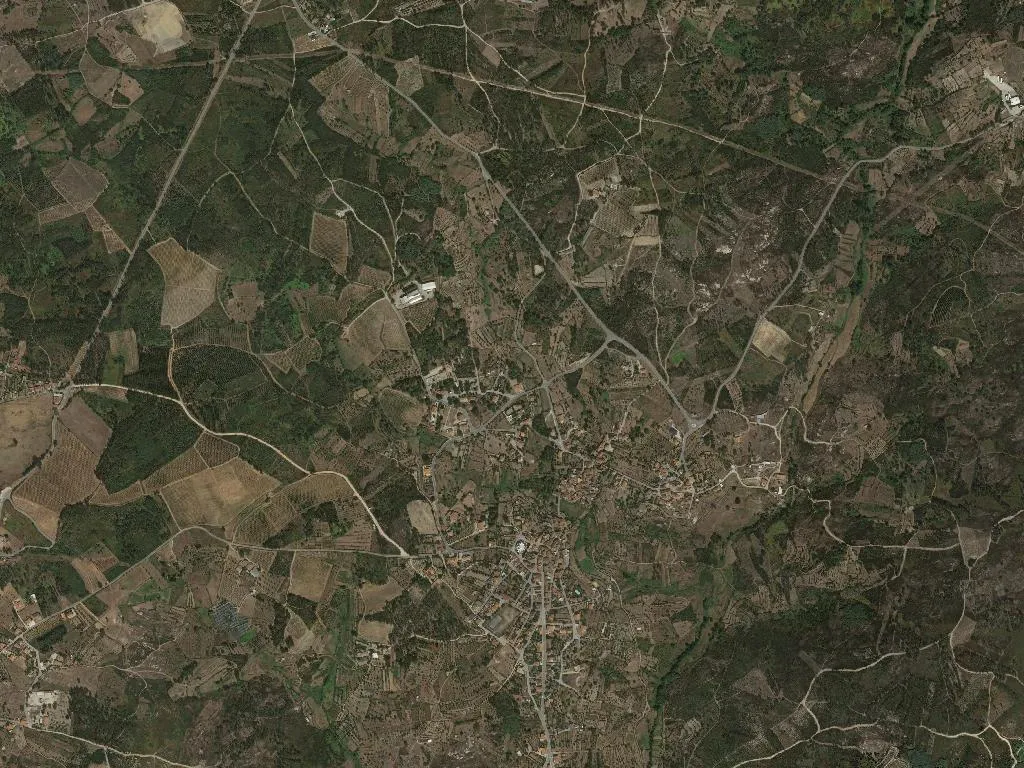
Population: 801. Pensioners: 290. The arithmetic is brutal, yet the settlement endures with the stubborn memory of how each granite slab fits into the next dry-stone terrace. Density is 51 people per km², which translates as a silence so complete you notice a dog barking two hamlets away. The church bell tolls the hours without haste; no traffic competes.
Lanes climb and drop according to schist, not town planning. Eighteenth-century lintels carry hand-carved dates; later houses add discreet concrete and brick, nothing that would embarrass the neighbours.
Slow-passage country
Visitor numbers barely register. Arrive mid-morning and you find Cunha Baixa unstyled: no filters, no interpretative centre. The road in is narrow but paved; after that you’re on foot. Commerce is Adelaide’s grocery counter and Zé’s café, where the coffee is €0.60 and the television stays mute. Come looking for souvenirs and you leave with a pound of chouriço and the farmer’s phone number.
Light changes fast. By late afternoon the western ridges glow copper while the valley floor sinks into blue shade. Kitchen fires are lit; the same woodsmoke that began the day returns to blanket the roofs, stitching houses, gestures and memories together between granite and sky.