Full article about Fornos de Maceira Dão: smoke, cheese & limestone secrets
January ovens fire sheep’s-milk wheels and Dão wine in a granite village where mist clings to 18th-c
Hide article Read full article
Smoke writes straight lines against January sky
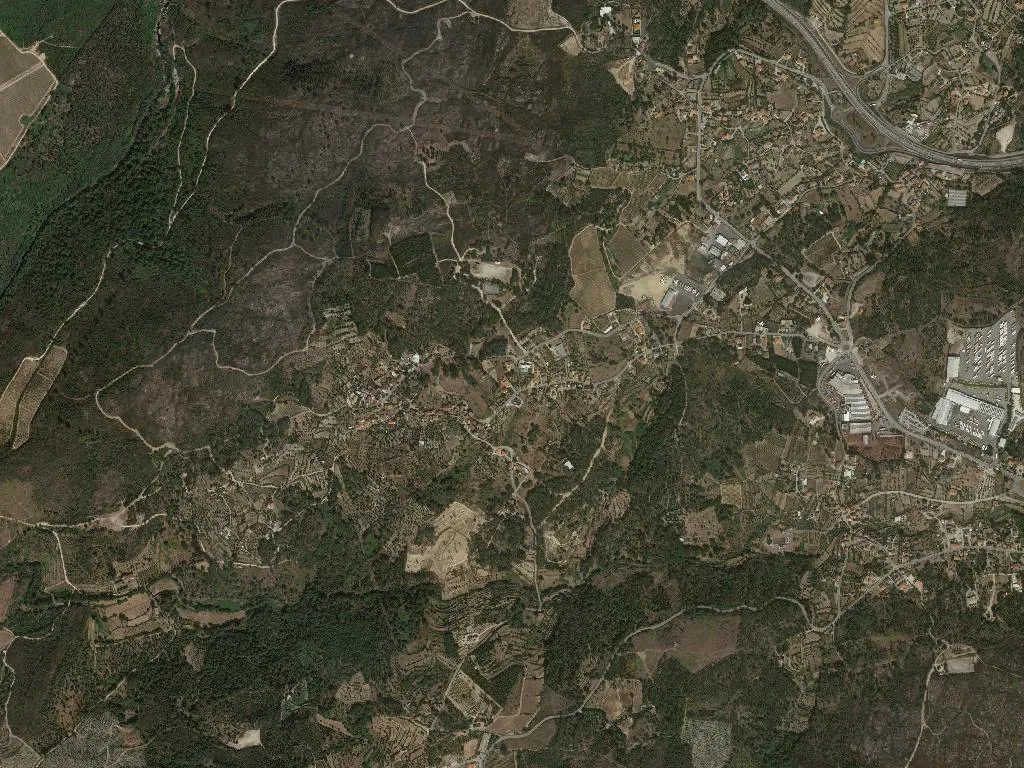
The first thing you notice is the verticality. In Fornos de Maceira Dão, smoke rises from four working wood-fired ovens—two for bread, two for pottery—drawing perfect perpendiculars against the winter sky. The smell of burning oak mingles with wet eucalyptus as mist drifts down from Monte do Castro, 443 metres above sea level. Here, where the Dão valley meets the granite foothills of the Serra da Estrela, the village's name tells no lies: fornos means ovens, and they still function exactly as intended.
The cheese that starts at dawn
Sheep's milk begins its transformation at six o'clock sharp. Zé Mário fires up the salga—the traditional copper vat—while the village sleeps, adding rennet to warm milk from Bordaleira ewes that graze above the 18th-century church. Ninety days later, the wheels emerge from Dona Alda's stone cellar with orange-tinged rinds, turned weekly by hand. The wine is more clandestine: three family plots yield enough grapes for Seixas' cellar, where neighbours from Penalva cross the municipal boundary to secure bottles for baptisms. It's Dão terroir in miniature—schist and granite soils, Atlantic breezes moderated by continental climate—compressed into a garage operation that produces perhaps 200 bottles annually.
Walking the limestone paths
The track to Casal Vasco crunches underfoot with crushed limestone, legacy of the same geological formation that creates the Dão's mineral-driven whites. Dry-stone walls built by Raul's father over five decades terrace the hillsides, their craftsmanship visible in how precisely each granite piece interlocks. In Nel's barn, silage ferments for five dairy cows—the entire village herd—while winter sun on wet earth releases a sweetness particular to January in northern Portugal. Sound carries here: Toneco's dog barks from a kilometre away, the noise rolling up the valley like thunder across the Mondego.
The church with buried treasure
São Tiago's golden baroque altarpiece survived Napoleonic invasions because Dona Amélia's aunt buried it in her vegetable patch. The granite for every L-shaped house came from Cabeço quarry, where the current parish president's grandfather left chisel marks still visible on the highest stones. Only one espigueiro remains functional—Sequeira's stone-legged granary, its granite pillars too tall for rats to climb, stores corn for chickens that scratch beneath persimmon trees.
Summer grandchildren and winter residents
Demographics tell their own story: 394 residents over 65, 129 children who attend primary school in Casal Vasco since Fornos' closed in 2012. Yet four houses have been carefully restored—Dona Guida's, tio António's, Zé Mário's, Seixas'—their metre-thick walls now hosting guests during harvest and snow season. Heating comes from wood-burning salamanders; WiFi drifts over from the village café, open only when Joaquim isn't hunting wild boar in the Serra ridges.
Wednesday bread and Sunday lunch
Wednesday means the communal oven fires at dawn. Arrive late and the rye loaves will be gone—each batch limited to what the wood-fired oven can handle across four hours of careful temperature management. Zé Mário's cured cheese develops its distinctive "eye" markings through weekly turning; Dona Alda's requeijão arrives in clay bowls she's bought from the same Viseu potter for three decades. António's spring lamb—one of fifteen sheep he grazes on Cabreira's slopes—roasts in Sequeira's fifty-year-old oven, its clay dome retaining heat from embers of oak and olive. The wine tastes of schist and smoke, because Seixas' father planted those vines in 1953 on a slope that catches both morning mist and afternoon sun.
When Castro's mountain blocks the setting sun, granite walls glow amber as if perpetually celebrating. The sacristan locks São Tiago's heavy wooden door—metal against metal echoing down Rua Direita like a bell calling no one. Smoke continues its vertical journey, the only straight line in a landscape of curves and terraces, connecting kitchen fires to winter sky across generations who've left nothing more permanent than the scent of burning wood and the sound of a door closing against the cold.