Full article about Sun-warmed Granite & Spoon-soft Cheese in Tavares
Chãs, Várzea, Travanta share silent granite ridges, thistle-set Serra da Estrela cheese and Romanesq
Hide article Read full article
The Granite Glow of Tavares
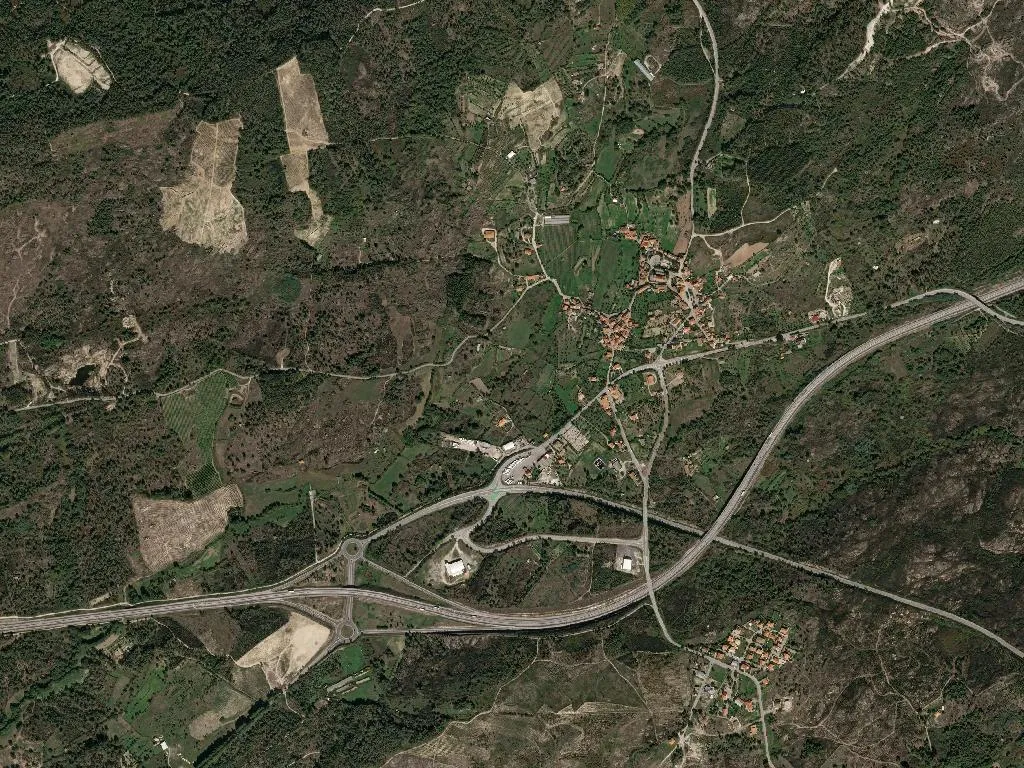
Granite warms to amber when the late sun strikes the hamlets — Chãs, Várzea, Travanca — that step up the south-western flank of the Serra da Estrela. At 601 m the air is already mountain-thin; the only punctuation is a single church bell, a sheepdog’s bass note, boots scuffing schist. Three settlements stitched together into one civil parish, sharing pasture where lambs graze slowly and smoke-blackened lofts where cheese quietly turns with the season.
The Lay of the Land
Tavares’ 35 km² sit neither on the high plateau nor in the soft valley floor but in the tense middle ground — exactly 600 m on the aneroid. Vineyards of the Dão region finger their way onto south-facing granite benches, absorbing daytime heat that seeps back to the bunches after dusk. Winter is damp and penetrating; spring detonates into acid-green meadows laced with gorse. The soil is thin, the population thinner: 36 people per km², median age edging 60.
What the Plateau Tastes Like
You will not find tasting menus. Flavours surface in domestic kitchens and communal wood-fired ovens built into the side of barns. Queijo Serra da Estrela DOP — raw-milk, thistle-set, sheep-only — matures on spruce slats until it can be spooned like fudge. At breakfast the same milk becomes Requeijão, spread hot onto maize broa while the crust steams. The lambs that graze the upland bogs qualify as Borrego Serra da Estrela DOP; their meat is rose-veined, scented with wild mint and heather.
Stone Registers
Two buildings carry state protection: the 13th-century Romanesque core of Igreja de São João Baptista in Várzea (National Monument) and the Baroque capela of Senhor dos Passos in Chãs (Public Interest). Both are hewn from local granite whose quartz seams catch the light like mica. Lichens map wind direction across their walls; no ticket office interrupts the moss. Inside, 18th-century retábulos still carry original azulejo panels the colour of oxidised copper.
Calendar Time
There are just three guest houses — restored stone dwellings whose fireplaces are sized for whole oak trunks. No programme is offered because none is required. Walk the old transhumance track that once took shepherds to the summer pastures at 1 400 m, or follow the levada that irrigates smallholdings with snow-melt. July midday heat forces you under chestnut shade; November mist erases the valley below. At dusk the smoke from curing lofts rises straight up, carrying the smell of smouldering oak and ageing curd. Somewhere a ewe calls; the cheese waits; the granite slowly gives back the day’s heat.