Full article about Mist, granite & chanfana in Peva e Segões
Counter-Reformation gold, midsummer goat stew and chestnut smoke in the Beira Alta
Hide article Read full article
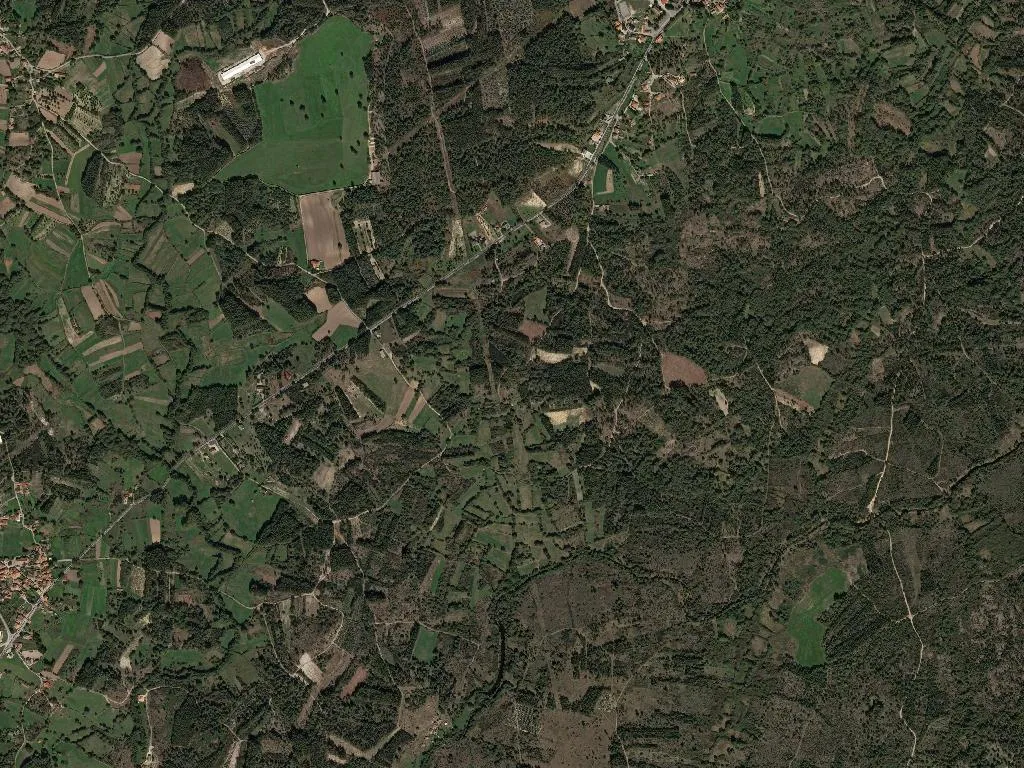
The mist slips down the Serra da Nave at dusk, coiling round the chestnut groves like a cat. At 2,600 ft the morning cold finds every gap in your coat; the only sounds are the faint bounce of a bell across the valley or the sudden slash of a hawk’s wings. Peva and Segões were yoked together on the municipal map in 2013, yet each hamlet keeps its own granite cross, its own chapel, its own memories of rye fields and goats that once outnumbered residents.
Carved stone & gilded wood
Peva’s parish church, begun in the 1530s, stands stark in its cobbled square, a textbook example of the Beira Alta’s austere Counter-Reformation style. Inside, a riotous Baroque altarpiece—every inch gilded, every cherub mid-somersault—glows in the half-light that sneaks through slit windows. Listed since 1977, the building still earns its keep: on the second Sunday of May villagers process to the roadside cross to honour the Virgin of the Safe Journey, a tradition that predates the road itself.
Across the parish boundary, the Chapel of St Sebastian at Segões occupies a windswept terrace of whitewashed stone. The granite cross beside it once marked the 1855 border between two rival councils; travellers knelt here for protection before braving the mountain track.
Goat stew & midsummer fire
Dawn on 24 June smells of wood-smoke and clove-rich stew. Clay pots of chanfana—goat slow-cooked in red wine and bay—have been simmering since 3 a.m.; chestnut-laced pork crackles on makeshift grills. By midday the church square is an impromptu tapas line: sardines, kale broth, rye bread thick enough to moor a boat. At night bonfires throw copper light on a congregation that skews resolutely silver: 188 residents over 65, only 33 under 14. The elders trade verses in the improvised “challenge singing” first taught in the 1940s village school, a thread of oral memory stronger than the mobile signal ever managed here.
A trail of mills and granaries
The six-kilometre PR5 footpath stitches the two settlements together, crossing ice-cold streams, restored stone mills at Pego and lone schist granaries standing in meadows like tiny castles. Walk it at golden hour: the low sun ignites the holm-oaks, griffon vultures wheel overhead, and you will meet no one—population density is 17 souls per square kilometre. The only soundtrack is your own breathing and the faint rustle of rye stalks that feed the last working oven in Peva. Smoked sausages cure in village smokehouses; a shot of homemade medronho brandy arrives without asking. Taste the chanfana during the feast and you register altitude, distance and obstinacy in a single mouthful. Five kilometres south the River Paiva gouges a deep gorge; when the mist returns—locals still talk of the five-day white-out in 1956—the entire parish disappears, neither lost nor forgotten, simply paused.