Full article about Vilar: granite cottages, vineyard hush, June dawn coffee
Terraced vines, 316 souls, São João smoke—Moimenta’s high village lives slow and sharp
Hide article Read full article
The sun is late, the coffee is on time
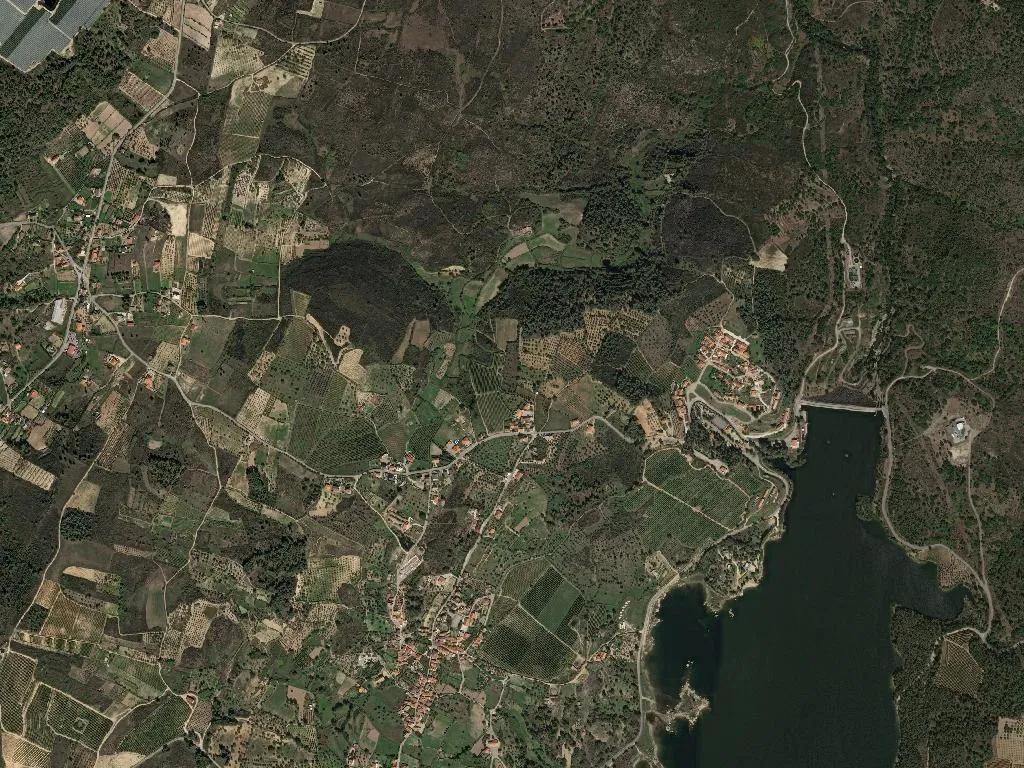
Morning climbs the terraces of Vilar at the same reluctant speed Mr Arnaldo shuffles down to his pastelaria in Moimenta town centre—half-seven if the lock turns first go. At 619 m the air still carries a June sting, laced with the scent of damp schist and eucalyptus that makes you think of laundry left in the drum overnight. Between the rows of Touriga Nacional the only soundtrack is the murmur of the stream locals stubbornly call a regato, as if renaming it might spare them soaked socks and ruined trainers.
Vilar never raises its voice. Three-hundred-and-sixteen souls, 105 over pension age, 31 under ten. The maths hurts, but the granite cottages refuse to flinch; their slate roofs have outlasted Salazar, outlasted snow years no one counts any more. My grandmother was born behind the green door opposite the church; my father planted his first vine on the western slope in 1978; Lopes’ café still pours a bica that punches harder than most vintage ports.
These terraces are not a postcard backdrop
Demarcated Douro status here is not marketing copy—it is Monday to Friday. The walled socalcos are labour, not landscape: grandfathers who understood that if they didn’t terrace the mountain, the mountain would terrace them. Walking between the vines means negotiating granite that slicks like black ice, hearing old cordon wires creak like the floorboards of a manor house, watching light switch from bullion at noon to terracotta at vespers as surely as Semedo swaps his football shirt after work.
The micro-climate is gossiped about more than the priest’s sermons. Streams sliding off the Serra de Leomil keep night temperatures low; August sun sugars the berries while preserving the razor acidity—think of Aunt Albertina: sweet tongue, sharp teeth.
São João without the tour-bus fanfare
On the night of 23 June the parish hall disgorges folding tables, the volunteer firemen light the sardine grill, and Zé Manel’s accordion runs out of keys long before the dancers run out of steps. No wristbands, no overpriced sangria. The hymns are learned the way you learn to knead broa corn bread—by standing next to someone older and quieter. For three hours the whole village inhales on the same beat, and even the priest loses count of communicants the following Sunday.
Look at the statistics and you see erosion: 105 pensioners, 31 children. Look at the fields and you see stubbornness: vines pruned, potatoes earthed up, olive branches stacked for winter. In the café they still argue whether Benfica’s decline began last season or the one before, and my father still keeps tomato seeds in an old Nescafe jar, swearing they out-taste anything from a garden centre.
Dusk is when Vilar stops pretending to be anything other than itself. The last blackbird clocks off, the ridge-line loosens its grip on the light, and the air thickens until it feels almost chewable. No one needs to declare the place special; it is simply small enough, and slow enough, for a thought to leave your head, travel to the end of the valley, and echo back before the next one arrives.