Full article about Pinheiro’s midnight-warm granite hushes the Serra
Stone lungs exhale heat, cabrito scents the air, elders gossip by name
Hide article Read full article
Granite that keeps the day’s heat until midnight
The houses are built from blocks the colour of warm bone, 80 cm thick, and they exhale the sun long after it has slipped behind the Caramulo ridge. At seven sharp the mountain air drops ten degrees; woodsmoke rises in perfect verticals before the wind shears it away. No car passes. Pinheiro’s 1,115 residents still greet one another by first name.
What the census leaves out
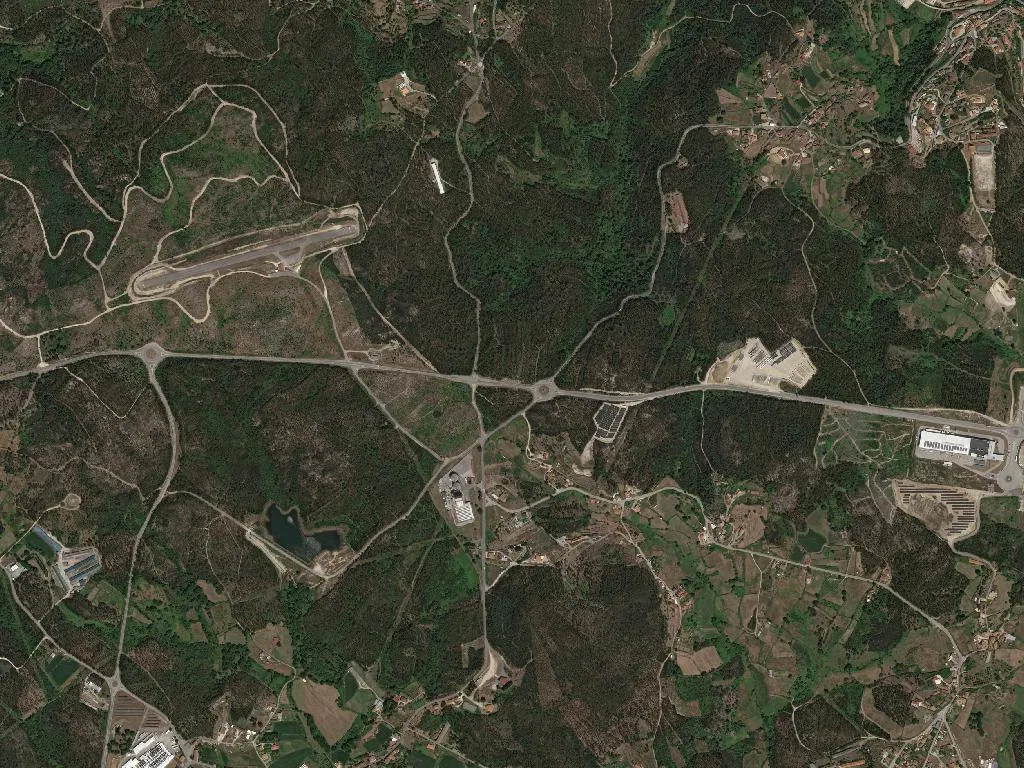
Two thousand hectares for barely a village. Between every two dwellings there is room for a maize plot or an orchard of red-cheeked apples. Children make up barely nine per cent of the population; 270 pensioners outnumber them three to one. By six a.m. the elders are already stooped among the cabbages, back indoors for a plate of caldo at noon. The stone walls insulate like a Thermos: cool in August, toasty when the Serra da Gralheira starts to breathe snow.
Two official monuments. One is a National Monument, though no one in the café can remember the royal decree. “It’s old,” they shrug. “Stone’s stone.”
Where to eat
Three cafés, no menu outside. Central serves lunch for €8. Mid-week you’ll find cabrito da Gralheira—kid reared on the same scrub-covered slopes you drove through. The meat arrives from Carvalhais, 12 km uphill; the suckling pig needs 48 hours’ notice. Veal from the Lafões IGP appears only when António decides the calf is ready—phone this morning to find out if today is the day.
Where to sleep
Six private houses take paying guests; none advertises. Dona Alice’s place has three bedrooms and a wood-burning stove she feeds before dawn. Bread is slid into the clay oven at six; by eight the kitchen smells of crust and eucalyptus. €60 including breakfast. Ring the landline—232 960 234. If she’s in the fields, try again after seven.
Getting here
Leave the A25 at Oliveira de Frades, thread 12 km of the N229, then climb three more of switchbacks. Fill the tank at the Intermarché below—Pinheiro’s pumps ran dry years ago.
When the village lights click on at nine, the cold rolls downhill with the sound of water over granite. The scent of burnt oak clings to your coat the next morning, and that, residents say, is the real reason they keep coming back.