Full article about Póvoa de Penela: schist silence above the Côa
Where granite terraces, home-pressed reds and two feast days outnumber 337 souls
Hide article Read full article
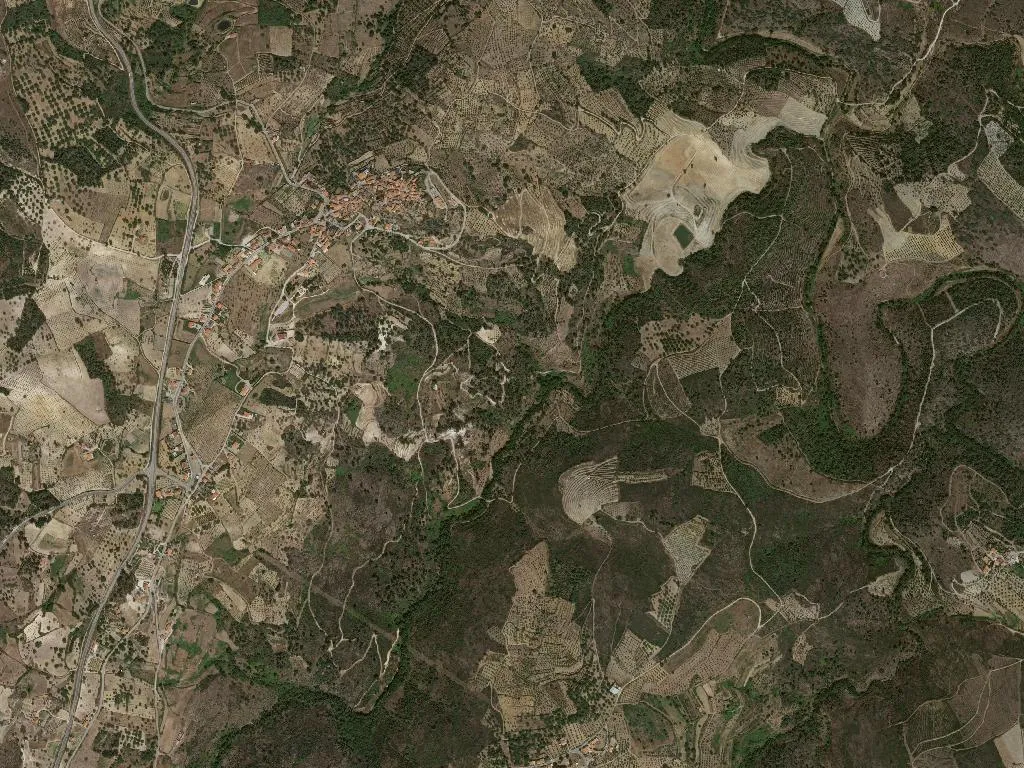
The morning sun strikes the slope and ricochets back in palettes of weathered schist and granite. At 572 m above the Douro’s upper tributaries, Póvoa de Penela unrolls across a thousand hectares of ribbed pasture where rye grass flickers against loose stone the colour of cooled ash. A wind funnels up from the Côa valley carrying the smell of freshly-turned earth, oak-kindled stoves and a silence inhabited by 337 people who can map every caminho by heart.
Granite, vines and the slow years
These are Port-wine demarcation lands, yet the terraces here answer to no quinta brand. Vines cling to fissured rock, yielding thumb-sized clusters that spend September nights soaking up hill-cold before surrendering their sugar. In low-beamed adegas the must ferments in open stone lages, unhurried, becoming a red that tastes of sun-warmed schist and the moment the first frost hits the baga grape. There are no tasting menus—just the household wine, poured into heavyweight glass that has outlived several owners.
Demography is a ledger of departures: 98 residents over 65, only 46 under 14. At 34 inhabitants per square kilometre the gap between gates is wide enough to hear your own pulse. Emigration has trimmed the census since the 1960s, when Brazil-bound labourers financed the village bandstand still used on feast days.
Two dates when the village re-enters the map
The calendar revives twice. On 29 June São Pedro brings long tables onto the sole asphalt lane, roasting kid and maize bread served with peppery olive oil pressed in neighbouring Penedono. The first Sunday in May belongs to Nossa Senhora da Cabeça; pilgrims leave the granite crucifix on the N229 and walk three kilometres uphill to a 1940s chapel erected where the Virgin is said to have surfaced from the broom scrub. Both processions still outweigh the resident population; cars with French and Swiss plates reclaim ancestral houses for a weekend.
The other 363 days return to routine: a postman who knows every dog by temperament, hens disputing the lane, the creak of a gate you can identify blindfolded. Only two dwellings carry tourist registration—private homes let to returning family. Visitors arrive by invitation, not itinerary.
What lingers after you leave
There are no listed monuments, no interpretive panels. Memory is stored instead in textures: afternoon light sliding across rye terraces; a bell that carries two kilometres of clear air; whitewash flaking from 18th-century jambs to reveal earlier ochre. Even the 1926 bandstand—paid for with mil-réis sent back from São Paulo coffee fazendas—keeps its concerts acoustic and unpaid.
Dusk falls fast. When the sun slips behind the Marofa ridge, temperature plummets and wood smoke settles into wool. You depart with the taste of baga-driven tannin on your tongue and the certainty that tomorrow’s rhythm will be identical, whether witnessed or not.