Full article about União das freguesias de Freigil e Miomães
Hear oars echo off a hidden reservoir beneath medieval ramparts in this Resende freguesia.
Hide article Read full article
The Sound Before the Sight
The metallic knock of an oar on aluminium travels up the valley before you see the boat. Then comes the soft gulp of the blade as it enters the reservoir’s black water. Drop down the switch-back road to Freigil and the dam appears without warning – a green mirror clamped between oak scrub and schist terraces where the river Cabrum was persuaded to pause and make a beach of startlingly cold water, even in August.
Rock That Breaks, Rock That Holds
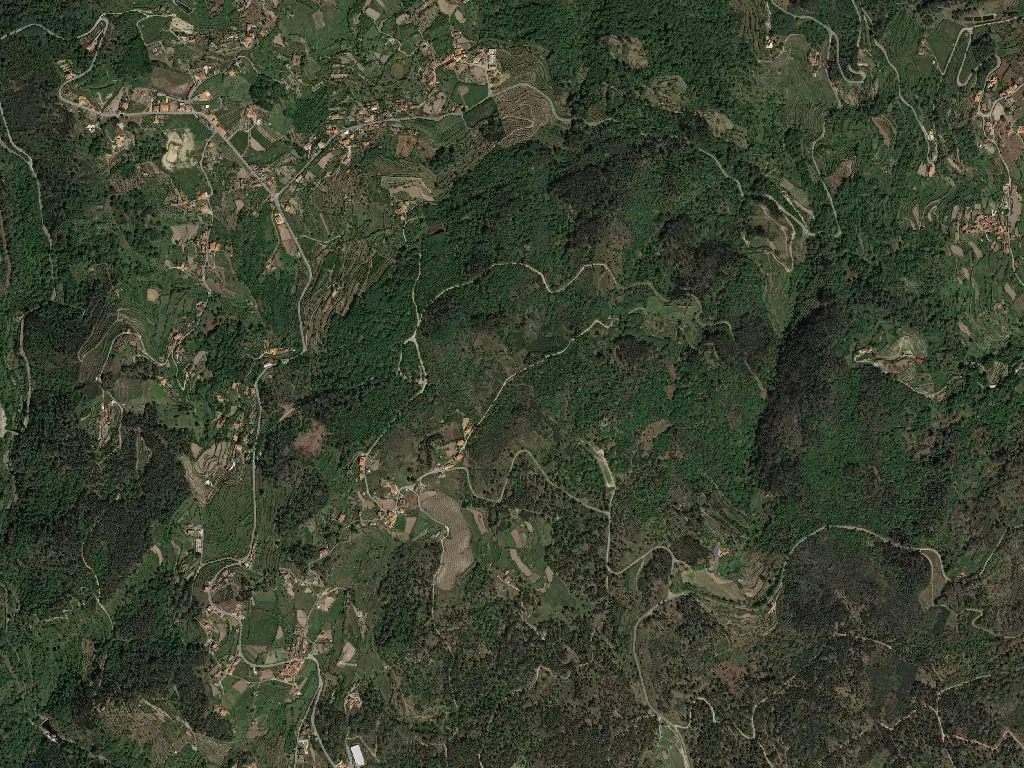
First mentioned in 1181 as Fragili, the name Latin for “fragile”, Freigil mocks its own etymology. Above the village the Penedo de São João erupts in a fang of quartzite; on its summit the nail-torn walls of a thirteenth-century castle still grip the stone. The ground falls away in sheer steps to the water. In 2013 the civil parishes of Freigil and Miomães were merged into a single freguesia, stretching across 742 hectares of slope that climbs to 679 m at Ramalhal. Only 678 people live here, scattered between the two villages and the hamlets of Vale de Cabrum and Lagariça.
Miomães sits higher, its white-plastered mother church and square tower looking straight down the Aregos valley to the Douro escarpment opposite. At dusk the low sun ignites the terraced vines and the granite houses glow like old copper.
Narrow Bridges, Mossy Turbines
The Lagariça bridge, built in the late 1300s, is barely two metres wide; local lore claims the span was calculated so the fighting bull of the area could not turn round midway across. A stone staircase drops from the roadway to the miniature hydro-electric station installed in 1955. Inside, two moss-laden Francis turbines still wait for water that now bypasses them, their blades locked in industrial silence.
The seven-kilometre riverside trail “From the Mouth of the Cabrum to the Freigil Dam” follows the old irrigation levadas that once fed three watermills. Summer smells of hot resin and warm earth; in winter the river breathes fog that thickens every sound.
Beef from the Serra, Honey from the Hills
Meal times revolve around Carne Arouquesa DOP, beef from the long-horned mountain cattle that graze the Montemuro range. It arrives either as chanfana – slow-stewed in a black clay pot with red wine and garlic – or simply grilled over vine prunings, sided by hand-cut fries and greens flash-fried with olive oil. Mel das Terras Altas do Minho DOP, a high-fragrance heather honey, is poured over Miomães sponge cake or Freigil bread slices warmed in the oven until the crust drinks the amber syrup. Between May and July Resende cherries, small and intensely sweet, turn up in everything from jam to brandy. River fish – perch and barbel landed that morning – are brushed with local olive oil, dusted with mountain herbs and grilled outdoors.
Light Espumante from the Tâmega sub-region and brisk Vinho Verde from the Caldas de Aregos quintas wash it all down with a reassuring hiss of bubbles.
Festivals That Mark the Seasons
The liturgical calendar still governs the valley. Processions for Nossa Senhora da Guia (late April) and Nosso Senhor do Calvário (early September) braid together brass bands, horseback cavalcades and communal bonfires. In July the Festa da Lagariça sets up trestle tables beside the bridge for sardines, folk music and a children’s fishing contest judged by weight rather than species. At Easter the Encontro das Aldeias walks a singing route between Miomães and Freigil, voices answering across the ravines. December brings the ranchos dos reis: hooded singers who move from door to door performing old cycle plays in exchange for aguardiente and cake.
When the last kayak noses back to the slipway and the water flattens to mercury, the bell of Miomães church strikes the hour. The note climbs the slope, ricochets off the Penedo and is finally swallowed by the ridge that separates this small, stubborn parish from the wider world.