Full article about São Martinho de Mouros
13th-century tithe trails, DOP beef & honey thick enough to stand a spoon—no tour buses, just echoin
Hide article Read full article
Smoke, Honey and Time Travel
The square is thick with the smell of damp woodsmoke and slow-cooked ribs, a perfume that settles into linen like burnt sugar. August has arrived, and São Martinho de Mouros reverts to type: tables are carried into the street, trestles creak under earthenware bowls, and the Medieval Market—launched only last year—gives everyone licence to forget the century they actually live in. Between stalls flogging “hydromel” that is clearly craft IPA and toddlers tripping over homespun cloaks, the parish’s 1,333 residents practise the oldest form of hospitality: feed strangers until they can’t move.
Granite, Goats and a National Monument
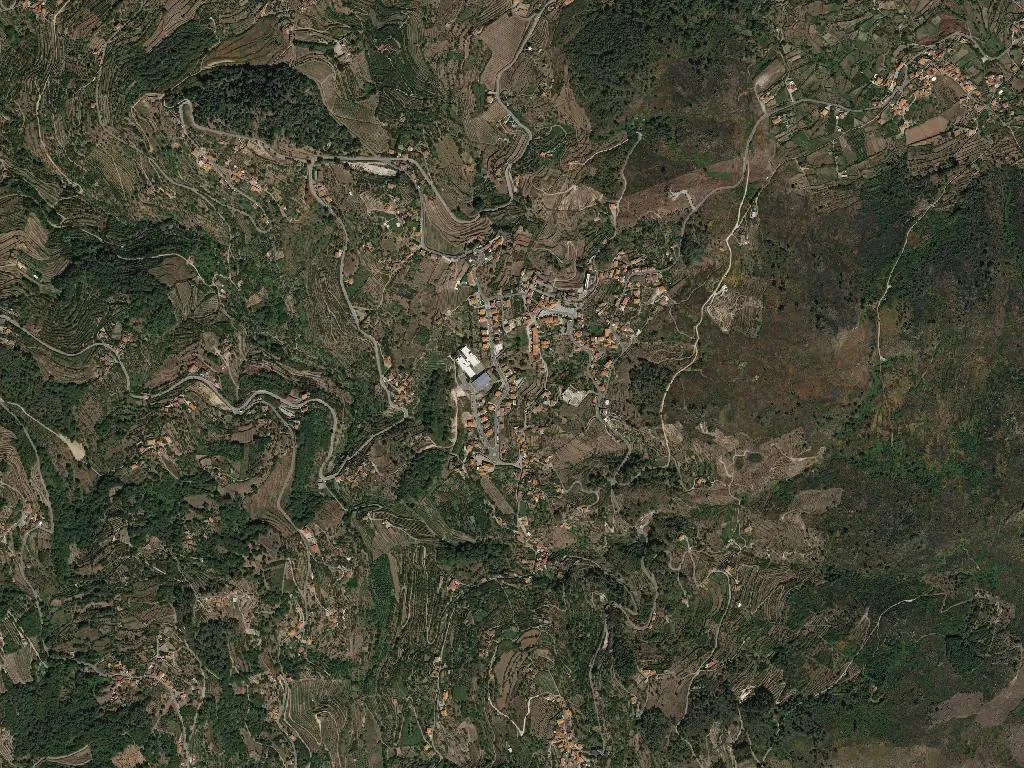
The first written mention of the place is a 13th-century tithe list counting goats and half-loaves; altitude 383 m, the parish still measures wealth by what the land yields. Granite outcrops punch through 1,441 ha of ridge and valley, the folds so tight they look like stitches on a quilt. Four state-listed monuments—one National, three of Public Interest—record the passage of Romans, Visigoths and assorted itinerant warriors. Tour buses don’t stop: population density is 92 souls per km², just enough to keep a dog bark echoing two hamlets over. Silence is the default soundtrack, broken only on Sunday when the 11 o’clock mass delays coffee by a full half-hour.
Beef You Can’t Fake, Honey You Can Stand Up
The kitchen keeps to what the soil and weather permit. Carne Arouquesa DOP arrives from cows that spent their lives climbing the Serra do Marão; the meat is the colour of garnet and needs no sauce. Mel das Terras Altas do Minho DOP is so viscous it balances on a knife like butter; spread too thickly and your bread skitters across the plate. This is vinho verde country, so white is poured to cut richness, red to prop up a stew; the glasses refill themselves and conversation follows suit.
During the market the food square becomes an open-air tavern. No fusion gimmicks: bread stuffed with chouriço blistered on iron plates, ribs smoked until they collapse at the touch, fresh goat’s cheese wearing a sprig of oregano. A teenage band rattles pandeiros and pifaros, and children drag parents into a circle that feels like the last party on earth.
Saints, Candles and the Return Ticket
Faith sets the calendar, but family fills the pews. Nossa Senhora da Guia (August), Senhor do Calvário (September) and Santa Maria de Barrô (November) each bring processions of fairy lights, raffle-ticket stalls and vows paid off with wax candles. The pilgrimage to the ruined monastery of Santa Maria de Cárquere forces the devout across a two-millennia-old Roman bridge—neighbours walk shoulder-to-shoulder, promising to repeat the trek next year. On those nights the official population doubles: French-plated hatchbacks nose into driveways, bread ovens stay lit until dawn, and the café queue curls right round the square.
Futsal as Civic Religion
With 412 residents over 65 and only 118 under 15, the parish’s indoor-football club, CDRC São Martinho de Mouros, functions as both youth club and memory bank. The team has reached the district’s top division, bringing a spike of publicity that even the council president struggles to explain. Match nights pack the sports hall so tightly wallets slip between bench slats; roars ricochet out to the crossroads, and the final whistle decides who buys the next round of bicas.
Sleeping Above the Cloud Line
Casa Cardoso—one of four village houses that rent out rooms—looks straight across to the Marão ridge. Dawn is announced by a blackbird and the moment the sun strikes the garden gate. Use it as a base for the 45-minute walk to the Cárquere ruins; no need to pack a raincoat, only dew-soaked boots and the certainty you’ll meet the neighbour’s tractor carving the earth at eight sharp.
When the market ends and torches are doused, smoke lingers on the granite like a signature. Somewhere a drum still echoes—perhaps it was never really there—but it is added now to the parish inventory, along with the café dog and the lady who sells honey by the church door.