Full article about Ovoa e Vimieiro: granite silence & Dão wine
Dawn mists over terraced rye, chapel bells across maize, purple must in stone lagars
Hide article Read full article
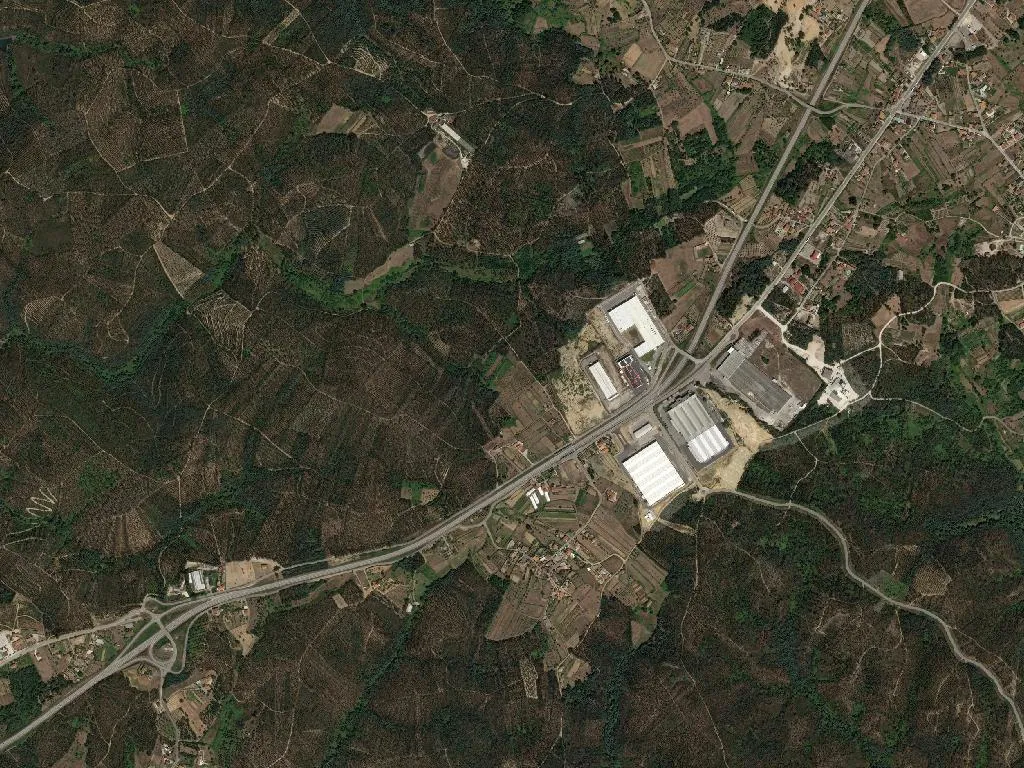
The granite threshing-floor is still dew-cooled at dawn when low light sketches long shadows between the terraced houses of Ovoa. Silence here has body: the thin-mountain density of air at 207 m, pricked by a distant dog and the metallic scrape of a neighbour’s gate. Below, the Dão valley’s vineyards climb in uneven staircases, and the combined parish of Ovoa e Vimieiro keeps time with the metronome of what is strictly necessary.
Administratively fused in 2013, the two villages still refuse to merge identities. Spread across 22 km² are 1 480 souls, arithmetic visible in flaking whitewash and bramble-invaded meadows where rye once grew. Yet stubborn life persists: four Turismo de Habitação houses—stone cottages retro-fitted with Swedish wood-burners and linen sheets—now take guests who actively want the hush.
Stone with pedigree
A lone National Monument pins collective memory to the hillside: the sixteenth-century Capela de São Sebastião, its caramel-coloured blocks quarried from local granite and its bell-tower visible along two kilometres of maize fields. The chapel sits on the Portuguese branch of the Caminho de Torres, the lesser-spotted Santiago variant that cuts from the Beira interior to the Atlantic. Pilgrims arriving on foot quickly discover the etiquette: narrow lanes where two Clios cannot pass without choreography, and the café run by Zé Abreu, whose opening hours are indexed to the kick-off times of S.L. Benfica.
Vine and table
Membership of the Dão DOC is not cartographic accident but calling. Schist slopes store daytime heat, then release it to Touriga Nacional, Tinta Roriz and Alfrocheiro after sundown, coaxing perfume from thick skins. In Mr Manuel’s stone lagar, fermentation is still started with a fistful of dried vine shoots the way his father did in ’58. Autumn air inside is purple with must. Kitchens obey Beira Alta rules: smoke-cured chouriço hanging above the hearth; carqueja rice for feast days; kid roasted over vine-prunings. Michelin will never come; instead there is Dona Alice’s tasca where Wednesday means cozido and Saturday means leitão, but only if you rang on Thursday.
Nature without drama
No waterfalls, no glass-floored viewpoints. The land offers subtler currency: summer-dry streams, xist-walled lanes edged with maidenhair fern, oak-and-eucalyptus copsies chopped by hand-size vegetable plots. Walk slowly enough and you earn the details: moss cloaking a plunge-font, a blackbird rehearsing the same four-note riff, the metallic tang of newly-turned earth when a tractor starts a late-spring leira. Detour to Fonte da Pipa—bring a bottle; the spring water is cold, soft, iron-sweet.
Evening gilds the bell-tower again. A John Deere trundles home, dust blooming behind like brown talcum. In Ovoa e Vimieiro memory is not declaimed; it is limewashed on in thin annual coats. What remains is the hourly strike of bells, the winter smell of damp granite at sunrise, and the certainty that somewhere the essential still suffices.