Full article about Sun-scorched Schist & Chanfana: Vilarouco e Pereiros
Walk terraced vineyards, taste goat-milky cheese and white-wine kid stew in this São João da Pesquei
Hide article Read full article
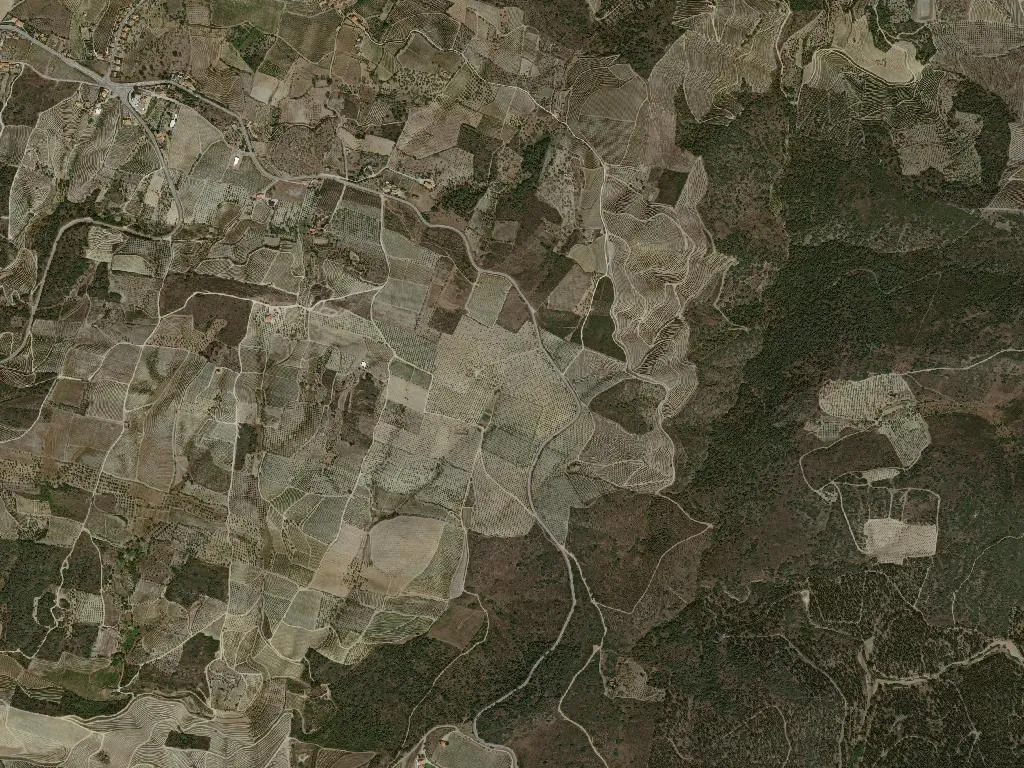
The schist still burns the soles of your boots after sunset. On the terraced vineyards, flakes of black slate cling to rubber like stubborn postage stamps—the same texture that Instagram influencers pay to capture while locals stride past. Just beyond the tight bend of the EN 522, where the road skirts the Gralheira junction, the sour-must scent of newly-pruned olive boughs mingles with the yeasty breath of grape pomace trickling from cellar doors.
Two villages, one topography
Council meetings are held in Vilarouco, yet the parish president lives in Pereiros—a detail that matters when the bin lorry changes its route. Inside Vilarouco’s church, 1734 headstones carry surnames—Moura, Valente, Pinto—that still dominate the village phone directory. Over in Pereiros, the church tower lost its zinc cap in Storm Emma (2018); no one has climbed the ladder to replace it.
At 600 m above sea level, January air rasps the throat as children descend at dawn to meet the school bus. The café at Gralheira crossroads serves milky coffee in plastic mugs to tanker drivers hauling 600-litre barrels to Vila Nova de Gaia’s port lodges—none aware they’re cutting through a UNESCO-listed cultural landscape.
Tastes of the warm earth
Cheese arrives on boards that Maria da Padaria bought in 1978. It isn’t Terrincho DOP—that hails from Trás-os-Montes. This is a goat’s milk version, saltier, its rind freckled with cistus hairs shaken from the milking shed’s ceiling. Bread is “mixed” wheat-and-rye because Pereiros’ communal oven collapsed in 2003; by 7 a.m. you queue at Vilarouco’s café for warm caracóis rolls.
On São João (23 June), Celestino slaughters the kid goat on the rear threshing floor. His wife mutters that the fat blocks the sink, but tradition wins. The chanfana—kid stewed in red wine—here simmers in white: tinta grapes are too costly to drown three kilos of meat.
Tracks among the vines
The way-marked loop claims 5.2 km, yet anyone pausing at Quinta do Sequeira for a hazy 2022 white will clock seven. The Penedo terraces have been derelict since António emigrated to France in 2015; waist-high rock-rose now hides the dry-stone walls.
On the footpath between the villages, silence is so complete you hear bees circling the cork oaks. The census lists 357 residents, but on an August afternoon you’ll spot perhaps thirty. Life clusters in Zé Mário’s bar: lottery tickets, 80-centimimo beers, tabs settled when the pension arrives.
At seven, when shadows swallow the Castelo slope, the schist stops burning and exhales the perfume of damp earth that locals simply call o cheiro a casa—the smell of home.