Full article about Bordonhos: where granite, smoke & thyme slow time
Taste Dão beef, wood-fired cornbread & church-bell hush in São Pedro do Sul’s hidden stream village.
Hide article Read full article
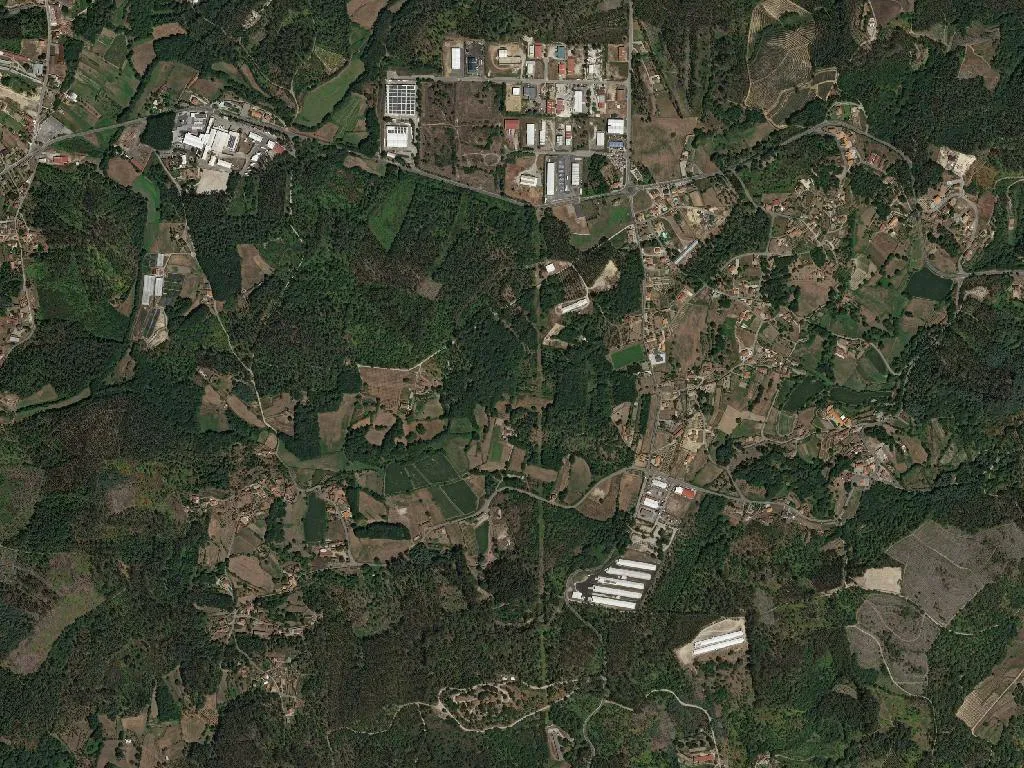
The granite walls drink in the morning warmth and give nothing back but silence. In Bordonhos, footsteps echo faintly alongside the hush of two mountain streams that slide down from the Mondego valley, sketching invisible seams across the fields. Time here is measured at 372 m above sea-level – high enough, apparently, to slow everything down. Church bells, not smartphone pings, dictate the rhythm; vegetable plots still outnumber parked cars; by dusk the air is stitched with wood-smoke.
A name that never travelled
Portugal has only one Bordonhos. The label is a fossilised signature: medieval Latin Iban Ordonius, “the farm of Ordonius”, a forgotten landlord whose name stuck fast for eight centuries. The place surfaces in parchment in 1225 while the Reconquista was still redrawing borders and the Church was busy carving the landscape into parishes. Villagers clustered around the modest Romanesque church of São Pedro, tilling small strips of alluvium and grazing cattle on terraces that tip towards the Mondego. No castle keeps or baroque bridges followed – just granite, oak beams and an unbroken habit of staying put.
What the land tastes like
Identity here is edible. Kids destined to become Cabrito da Gralheira IGP gambol on the slopes of the nearby range, perfuming their milk with wild thyme and rosemary. Arouquesa DOP beef, dark as burgundy, smells of wet earth and toasted walnuts the moment it hits the grill. In smoke-blackened larders, linguiça and morcela dry to the tick of the parish clock; neighbour Dona Alice still arrives with a wicker basket and a still-warm chouriça that weeps golden fat through your fingers. Cornbread, baked in a wood-fired oven at dawn, cracks open with a sigh of steam that tastes of last night’s embers. Locals wash lunch down with Dão reds drawn from cellars hacked into schist – wines whose tannins feel as austere as the surrounding quartzite ridges.
You can order the same ingredients in São Pedro do Sul’s restaurants ten minutes away, but flavour is edited by context. In Bordonhos it arrives straight from the backyard: kale shaken free of dew, potatoes still wearing soil, eggs with feather flecks on the shell. Octogenarians know precisely which dawn frost sweetens the turnips and when to prune the lone row of vines that survives the valley humidity.
Following the water
The parish map is drawn by streams. The Bordonhos brook coils between white poplars and ageing willows where children still strip Impatiens glandulifera stalks to make curling “pea-shooters”. Stone walls, dry-built and lichen-laced, channel footpaths up and down oak and chestnut plots. Crush a sprig of wild marjoram underfoot and the air turns pepper-sweet. Walk east and the Serra da Gralheira unrolls a horizon of whale-back ridges; a short-tailed eagle circles overhead, its whistle the loudest sound for miles.
With 508 residents – 60 of them under fourteen – Bordonhos is quiet by choice, not collapse. There is only one registered guest-house: a low-slung granite house where wi-fi feels optional and the night sky still competes with lamplight. Population density works out at 85 souls per km², which translates into generous silence: between houses, between conversations, between day’s labour and night’s rest.
Evening slants light across the stone façades; chimney plumes rise vertically in windless air. What remains is the distilled formula of an interior Portuguese village: stone that has memorised centuries, water that never stops defining borders, soil that still insists on being tasted. Bordonhos – a name that never duplicated itself – keeps its side of the bargain: identity you can chew, history you can smell, a tempo you can actually keep up with.