Full article about São Félix: Dão vines, Arouquesa beef & silent stone press-ho
Terraced vineyards, oak-smoked kid and free-range maronesa cows define this 365-soul parish.
Hide article Read full article
The Morning Light on the Vineyards
The early sun slips through the terraces, turning each vine leaf into a wafer of gold. At 354 m the air is thick with the smell of wet schist and the low murmur of last year’s must still breathing from the stone press-house walls. São Félix, a parish that could fit twice into a London postcode, has 365 inhabitants, one for every day of the year, and an economy measured in hectolitres and pruning cycles rather than GDP.
A landscape measured in grapes
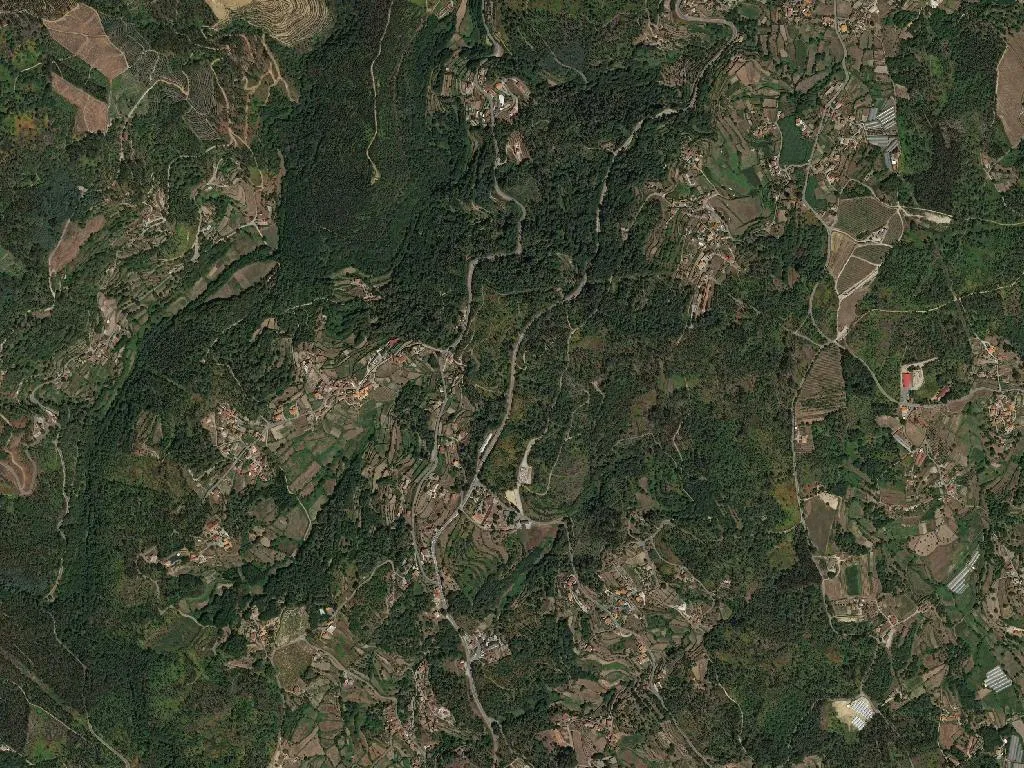
Inside the Dão demarcated region since 1908, the parish is a 319-hectare chessboard of Touriga Nacional, Tinta Roriz and Jaen. No signposted footpaths, no riverside cafés: just shoulder-high schist walls that map ownership better than any Land Registry plan, and concrete lagares where bunches rest before the first press. August afternoons are a held breath; even the lizards pause mid-wall. Vine rows were laid out in the 1850s when phylloxera was still someone else’s problem, and the only noticeable update is a handful of solar panels glinting on the red-tiled roofs like misplaced mirrors.
Meat and wine: the certified pair
The same slopes fatten the animals that season the glass. Cabrito da Gralheira carries IGP status, milk-fed kids grazing the same herb-covered terraces that push minerality into the grapes. Alongside it, Carne Arouquesa, one of Portugal’s four beef DOPs, owes its walnut-marbled flesh to free-range maronesa cows that wander up to 800 m in summer. There are no tasting menus: lunch happens in kitchens scented by oak embers, where the kid roasts in a wood-fired oven painted with Dão red, and slices of arouquesa hit a cast-iron grill slick with nothing more than rock salt. Wine is poured in stubby tumblers; second helpings are assumed.
The geometry of absence
By late afternoon the shadows of the vines stretch like clock hands across the terraces. Population density – 114 per km² – translates into shutters closed year-round, rusting disc harrows abandoned mid-field, a single tractor coughing on the ridge. Yet the place refuses picturesque decay. Pruning knives are sharpened, sulphur is burned, granite tanks are scrubbed ready for the first September grapes. The smell of wood smoke rising at dusk is not nostalgia; it is the parish filing its annual accounts, one cask, one kid, one vowel of Dão voweled smoke at a time.