Full article about Vila Maior: Where Granite Holds the Sky
Vila Maior, São Pedro do Sul: granite hamlet, 872 souls, no Wi-Fi, just Dão vines, smoked kid and altitude-cured beef.
Hide article Read full article
Granite, Smoke and the Sound of Nothing
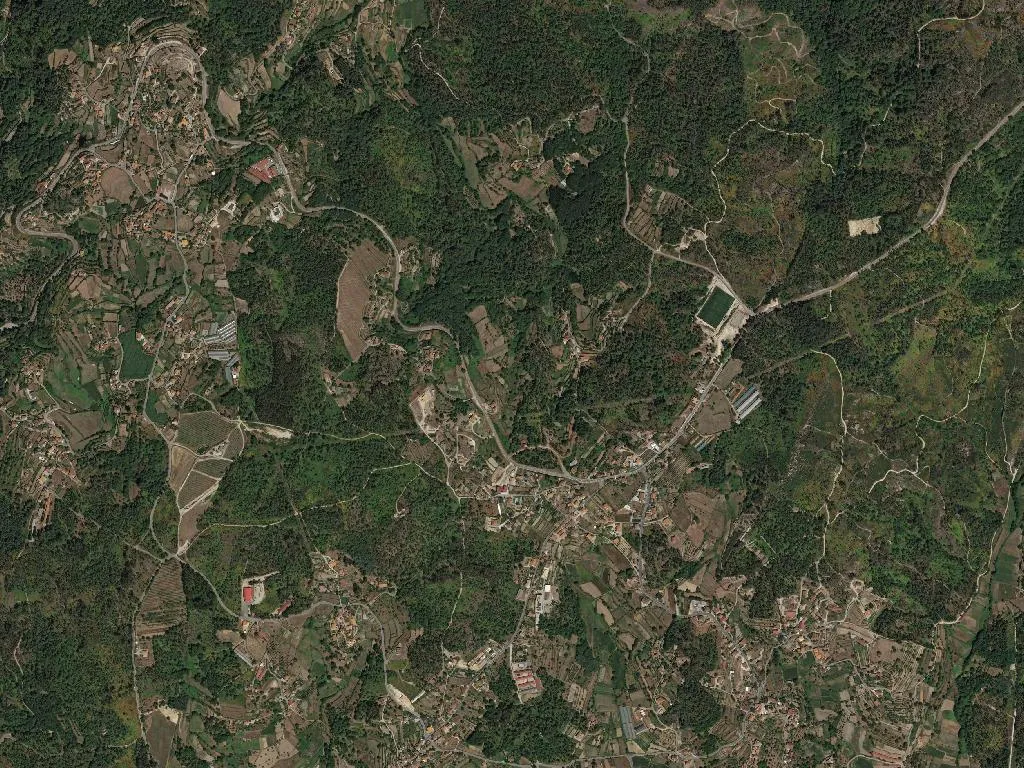
The N2 corkscrews upward through regimented Dão vines until the tarmac levels and Vila Maior appears: a tight cluster of granite-and-slate roofs holding 485 m of altitude against the sky. Morning air carries the snap of high country; the only punctuation is a dog verifying your arrival and the parish church clock tolling the quarter. Eight hundred and seventy-two souls occupy twelve square kilometres that still keep time by the grape-harvest, the grazing cycle and the first frost.
Two Economies, One Hillside
South-facing ramps are striped with red varietals—Touriga Nacional, Alfrocheiro—while the upper meadows feed the animals that supply northern Portugal’s most coveted meat: Cabrito da Gralheira IGP kid and Carne Arouquesa DOP beef. Both labels are earned, not marketed; the animals climb the same schist the tractors cannot, converting wild broom and high-altitude grass into meat that tastes of elevation and effort.
Demographics Written in Stone
Walk the single main lane and the census becomes audible: footfalls echo a beat longer than in most villages because the houses are spaced for ox-carts, not hatchbacks. One in three residents is over 65; children are a minority orchestra of 58. The gaps between doorways are filled with walled vegetable plots where galician kale and turnips for winter soup grow behind slate that radiates the day’s heat back to the seedlings at dusk.
No Reception, No Souvenirs
Accommodation is limited to three stone houses whose fireplaces still draw properly and whose taps run with gravity-fed mountain water. There is no reception desk, no breakfast buffet, no Wi-Fi password taped to the mirror. What you get is the smell of chestnut smoke drifting through an open shutter and a bedside table that once belonged to a grandmother who never threw anything away.
The Kitchen speaks Dão
Menus are redundant. Ask what there is and you’ll be told “cabrito” or “arouquesa” depending on the day. The kid is slow-roasted in a wood oven until the skin lacquers itself; the beef is grilled over vine-pruning embers, seasoned only with coarse salt, garlic and pork lard that has scented the pantry since January. Dão red arrives in a thick tumbler—no stemware, no tasting notes, just granite acidity that scrubs the fat from your tongue and makes you remember why Portuguese peasants live as long as investment bankers.
Light that Negotiates
At 485 m the atmosphere thins; winter fog wells up from the valley and erases the village like a teacher cleaning a chalkboard. In July the sun dries shadows into crisp silhouettes and the granite glows almost white. Either way the light is transactional: it asks you to slow your shutter speed, to look longer, to accept the barter of patience for clarity.
Tracks without Signposts
Waymarked trails do not exist, yet the municipal paths that link Vila Maior to the neighbouring settlement of Figueiredo are easy to follow—look for the stone wall that someone’s great-grandfather built in 1893 and keep it on your left. The loop takes ninety minutes, just enough for the sun to shift and reveal a new facet of the same mountain every time you glance back.
Departure Tax
When you leave, the village offers no fridge magnet, no embroidered tea towel. Instead you carry the residue: charcoal on your jacket cuff, the metallic aftertaste of Touriga Nacional at eleven in the morning, the echo of your own footsteps that you can still hear above the engine note all the way down to São Pedro do Sul.