Full article about Arnas: bells echo over 940 m Douro silence
In Sernancelhe’s sky-high village, scent of pine resin, slow-ripened tinta roriz and tripled voices
Hide article Read full article
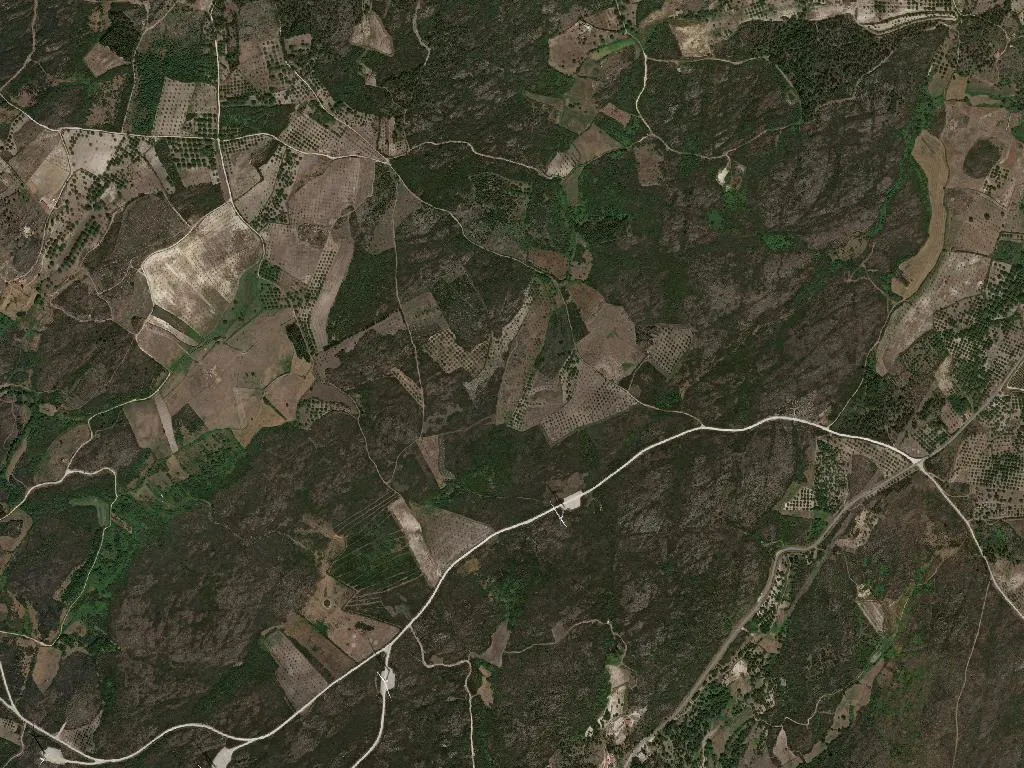
Your lungs register the altitude before your eyes do. At 940 m, Arnas inhales thin, needle-cold air even when August sun is firing the schist slopes. A draught rides up the Távora valley carrying the scent of baked earth and pine resin; passing the granite cottages it slips through window cracks with a low whistle. One hundred and eighty-seven people are scattered across 2,100 hectares – one of the lowest population densities in northern Portugal – and that scarcity translates into a wool-thick silence broken only on Sundays when the bells of São Tiago summon the faithful to the 11.30 a.m. mass.
Three pilgrimages, three pulses
The parish calendar is plotted around three feasts. On the first Sunday of June the village honours Nossa Senhora das Necessidades; the third Sunday of August belongs to Nossa Senhora da Lapa; 14 September is the turn of Nossa Senhora de Ao Pé da Cruz. On each day processions unfurl down dirt tracks, banners snapping, litanies ricocheting off stone walls. The population triples as bedrooms fill with Parisian or Swiss-Portuguese accents: sons and daughters who left in the 1960s return for oven-baked rice casseroles and night-long fires in the churchyard. Outside these weekends life reverts to a mineral rhythm – slow, persistent, measured by vineyard tasks and the tending of the few animals that still graze abandoned terraces.
High vines, Douro genes
Arnas has sat inside the Douro Demarcated Region since 1756, yet there are no vertiginous socalcos here. Altitude softens the landscape, making room for rye fields and rough pasture between the plots. Grapes ripen gradually, kept bright by night-time cold that locks in acidity. The reds – mostly tinta roriz – lack the plushness of the lower, hotter valleys downstream but trade it for tension and lift, qualities now courted by the co-operative cellars of Moimenta da Beira. Between October and November the smell of fermenting pressings drifts through the lanes, sweet and thick, mingling with the first oak-wood smoke of the season.
Living to witness
Sixty-two of the 187 residents are over 65; only 15 are under 14. The primary school closed in 2009, Lopes’s café opens only at weekends, and several houses have been shuttered since António moved to Porto with his children. Yet a stubborn resilience runs through the remaining threads: Dona Amélia still bakes bread in a wood-fired oven every Friday; Sr Joaquim rebuilds dry-stone walls when winter gales topple them; the local growers’ co-operative still ships 30,000 bottles a year to the Adega de Santa Comba. Logistics are unforgiving – the EN226 is narrow and switchbacked, the nearest health centre is 18 km away in Sernancelhe, the school bus comes only at 7.15 a.m. and 5.30 p.m. Those who stay have either chosen the place or been chosen by it: a plot bought by a grandfather in 1942, a birthplace that doubles as the intended deathbed.
At day’s end, when low sun ignites the western façades, the granite of Arnas flares a brief, warm gold. Shadow follows quickly, bringing cold that forces windows closed. Only chimney smoke rises straight into the mountain night, and the silence – broken now and then by Sr Manuel’s dog and the creak of his strawberry-tree walking stick – settles back over the village like a held breath.