Full article about Carregal’s Echoing Alleys & Three-Feast Pilgrimages
Hear water on granite, scramble to Ao Pé da Cruz, taste Dão amid chestnut slopes of Sernancelhe
Hide article Read full article
The Sound of Water on Stone
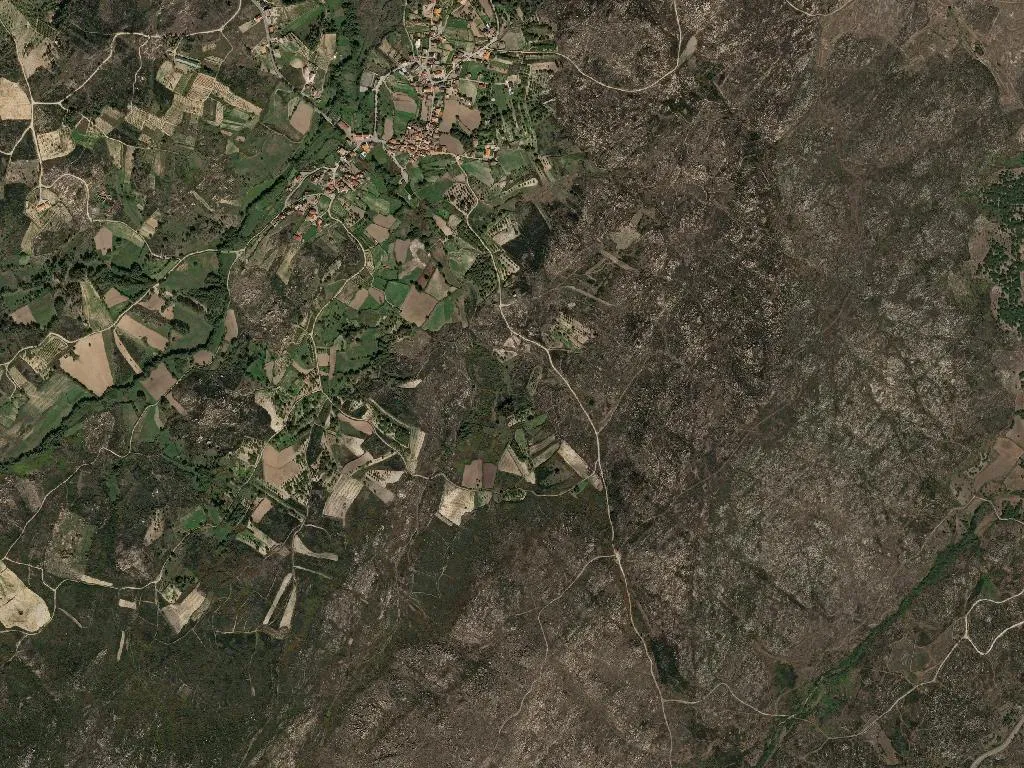
The drip of water on granite — plink, plink — is the only alarm clock. Carregal wakes reluctantly, valley fog lifting to curtain the schist walls in wet wool. At 705 m, on a ridge between the Paiva and Bestança gorges, 420 souls are still counted by heart; more doors gape ajar than are ever closed.
The territory is too large for the feet left to tread it. Two thousand hectares of slope where old-vine parcels disappear among chestnut and Algerian oak. Technically this is the Port “region”, yet the Douro’s river traffic and selfie sticks are 60 km east; here the wind arrives straight from the Caramulo ridge to sand your cheeks raw.
Three Marys, three summer returns
The pilgrimages are not pageants — they’re annual homecomings. When the feast of Nossa Senhora das Necessidades looms, Teresa books her Zurich leave a year ahead. The Lapa in August demands chickens raised on death-row corn; neighbours arrive with birds under one arm and a bottle of Dão red under the other. The smallest, Ao Pé da Cruz, is a 20-minute scramble up a loose-stone track where children still nick pomegranates from walls built in 1890.
Outside those three days the village clock is a woodpile. One hundred and seventy-seven pensioners, twenty-seven under-25s. Windows are postcard-narrow because winter is a six-month tenant; fireplaces are lit in October, damped in May. Doors were once azulejo-blue or eucalyptus-green; now they flake to an anonymous gunmetal nobody bothers to scrape.
The weight of height, the lightness of absence
Walk the lanes and you map the negative space of departure. The primary school shut in 2004; today it’s a Dutch ceramist’s two-week bolthole. Crispim’s café is a garage, but the hand-painted Café sign still ghosts the wall. The air is thin enough to make your ears pop; cold descends at seven even in August. Light is surgical — every cracked tile, every desiccated vine, every gate that sings on rusty hinges is dissected.
Two B&Bs have opened in restored labourers’ cottages. No pool, no reliable Wi-Fi. Instead there is the hush that makes tinnitus bloom, Adelino’s dog rehearsing its 3 a.m. sermon, the greenhouse reek of cow-dung fired for early tomatoes. At dusk the sun slaps the schist façades like a low grill; smoke rises straight, white, unhurried. It is the village’s quiet semaphore: we are still here.