Full article about Cunha: Schist Ridge Village Above Douro’s First Vineyards
Terraced vineyards, three hilltop chapels and woodsmoke drifting over 689 m of granite and loss
Hide article Read full article
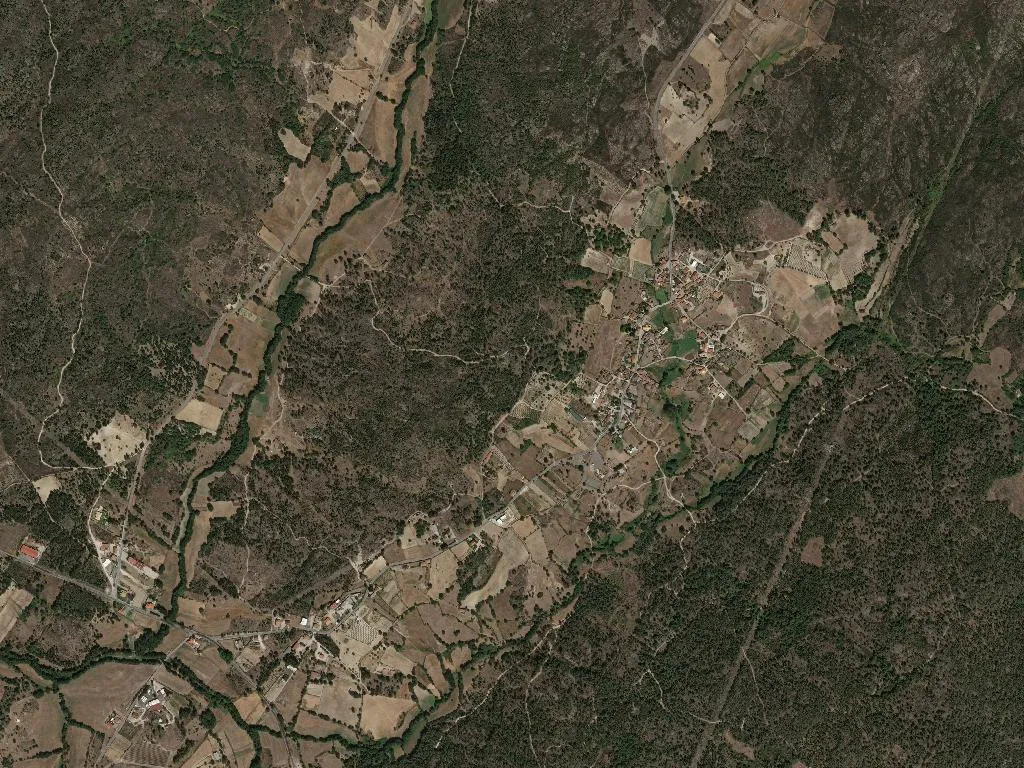
At 689 metres the ridge narrows to a single street of schist houses. Cunha inhales; the air tastes of moss, woodsmoke and the resinous bite of wild rosemary. Below, 1,702 hectares of terraced slopes drop towards the Douro’s upper reaches, the stone walls absorbing the day’s heat and releasing it slowly through the night. Only 323 people remain to feel the difference.
Three chapels, three calendars
The village’s year pivots on three Marian feast days that drag farmers, shepherds and the merely curious up the dirt tracks from Cimo de Vila, Carvalhal and Pego. On 15 August it’s Nossa Senhora das Necessidades – Our Lady of Necessities – a blunt admission that life here has never been easy. The first Sunday of September belongs to Nossa Senhora da Lapa, whose chapel is wedged into a granite overhang like a swallow’s nest. Finally, 3 May lights candles for Nossa Senhora de Ao Pé da Cruz, the Madonna who stands at the roadside as both signpost and talisman. Processions follow the same footpaths used since the 17th century, the bearers’ footsteps raising the same pale dust their grandfathers knew.
Altitude wine
Cunha sits within the world’s oldest demarcated wine region – the Douro DOC since 1756 – yet its vineyards behave like fugitives. At this elevation summer heat is tempered, ripening is delayed, acidity stays bright. Small holdings of tinta roriz cling to schist terraces no wider than a dining table; older parcels of touriga franca root into the deeper soils of Carvalhal. There are no baronial quintas here, just family plots worked by hand, the grapes hauled up the slope in yellow plastic tubs during a harvest that still drags grandparents, parents and children into the same rows.
The mathematics of leaving
Thirty-three children under fourteen. Ninety-six residents over sixty-five. The equation is merciless: since the 1960s the village has leaked its young to Paris, to Lisbon, to anywhere the land flattens out. Houses quietly reverted to scrub; brambles swallowed the threshing floors. With barely nineteen inhabitants per square kilometre you can walk for an hour and meet only a cattle dog negotiating the track ahead. Yet emptiness has its own currency: the hush amplifies your pulse, the night sky reclaims its antique brilliance, and solitude stops feeling like loss and starts feeling like landscape.
The primary school closed in 2011; the café unlocks only at weekends. Still, every evening smoke rises perfectly vertical from chimneys, and on clear nights the constellations burn without competition. In Cunha darkness is not an absence – it is instruction.