Full article about Desejosa’s Slate Terraces Smell of Oak-Smoked Chouriça
September homecomings, granite crosses and chestnut bonfires above the Tedo valley
Hide article Read full article
Slate, Silence and the Scent of Smoked Sausage
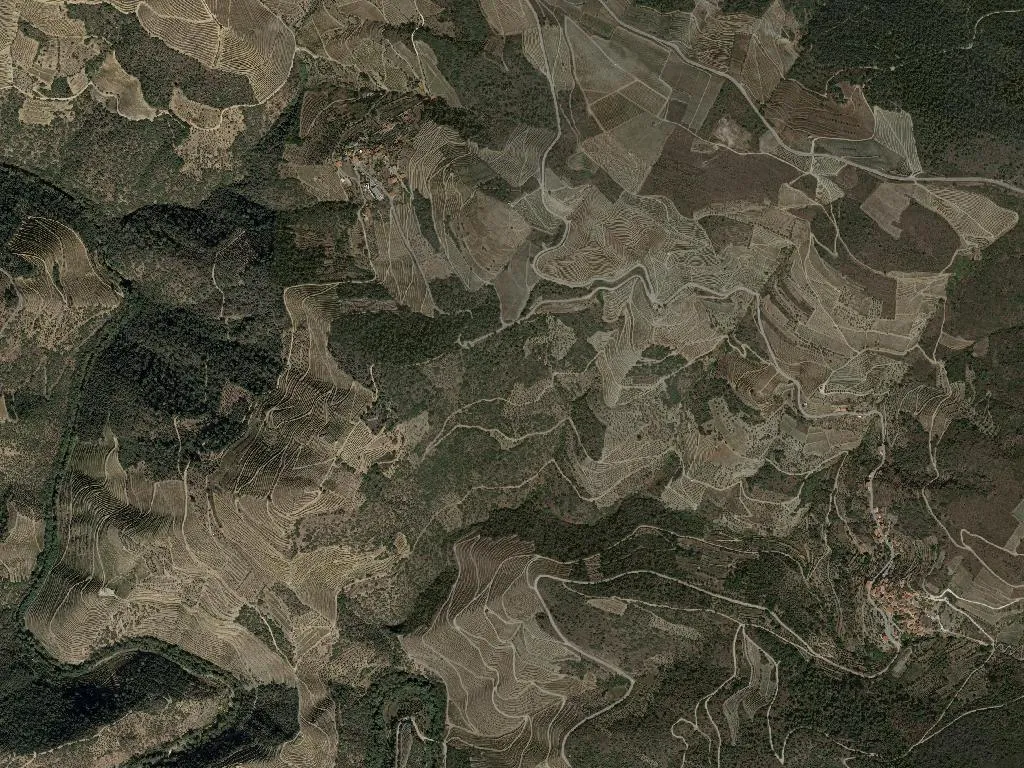
The slope tilts in uneven staircases of schist towards the Tedo valley, each terrace wall hand-stacked during the Marquis of Pombal’s demarcation of 1756. Between the vines that refuse to die, grey slate glints like broken mirrors. One hundred and seventeen people inhabit this shard of the Alto Douro, 362 metres above sea-level, scattered across 7.47 km² of broom, holm oak and the quiet that only shatters when the Atlantic weather front rattles the ridge.
Saints on the Calendar
Two dates drag the diaspora home. On the first Sunday of September the parish honours Santa Maria and Santa Bárbara: emigrants who left for the Renault plants of Île-de-France or the construction sites of Geneva park their rented Clios along the only paved lane, then follow the smell of chouriça de Barroso curling from the communal bread-oven. By 11 p.m. the square outside the thirteenth-century church is a slow-motion reunion conducted in mirandês-accented French.
Fifteen nights later São João takes over. At 9.30 sharp the oak-fuelled bonfire is lit; sparks rise towards the bell tower, competing with the first stars. Children who have never seen a metropolitan fireworks display clutch caramelised chestnuts while their grandparents compare frost dates—June nights can still drop to 12 °C at this altitude. The census records four residents under fourteen; the demographic cliff is more vivid than any statistic.
Stone That Darkens in the Rain
The parish church, rebuilt in 1705, keeps its Manueline doorway low and unshowy, as if apologising for intruding on the landscape. Inside, the single nave smells of beeswax and granite that never fully dries under 1,200 mm of annual rainfall. Two kilometres east, an eighteenth-century granite cross marks the track to the Nossa Senhora da Graça hermitage; lichen has softened the carved instruments of the Passion into braille.
Chestnuts and Root Systems
Since 1996 the Soutos da Lapa have carried DOP status, Europe’s only protected designation for chestnuts. The orchards climb between 400 and 700 m, stocked with ‘Aveleira’ trees older than the Republic—twisted arthritic giants that drop 50 kg of spiny burrs each over a three-week harvest. Pickers sell the mahogany nuts for €3–4 a kilo at Tabuaço’s Wednesday market; the rest are stored in drying huts, slatted walls breathing the wood-smoke that will later flavour Christmas stuffing.
Below them the Douro’s patrimony is vertical. Vine roots force down eight metres through flaky schist in search of water, sustaining a micro-terroir that Port shippers now bottle as single-quinta table wine. The terrace walls average 1.2 m high; multiply that by 42 years of dry-stone labour and you understand why the region earned UNESCO listing in 2001.
A House Without a Router
There is one place to stay: Casa da Desejosa, a terracotta-roofed farmhouse restored by a Lisbon architect who fled the city during the pandemic. No television, no Wi-Fi, no mini-bar—just linen sheets, a wood-burning range and Lili the cow grazing outside the kitchen window. Dawn starts at 6.30 with Domingos Martins’ rooster; the coffee grinder drowns out the bells of the 7 a.m. mass. By eight the sun has cleared the opposite escarpment, copper-light sliding 300 m down the Tedo valley, and the village slips back into the silence that will outlast every festival.