Full article about Granja do Tedo: silence, schist & gold-leaf vines
Walk UNESCO terraces where Burgundy meets Douro, taste black-wheatear Port and chestnut-laden leitão
Hide article Read full article
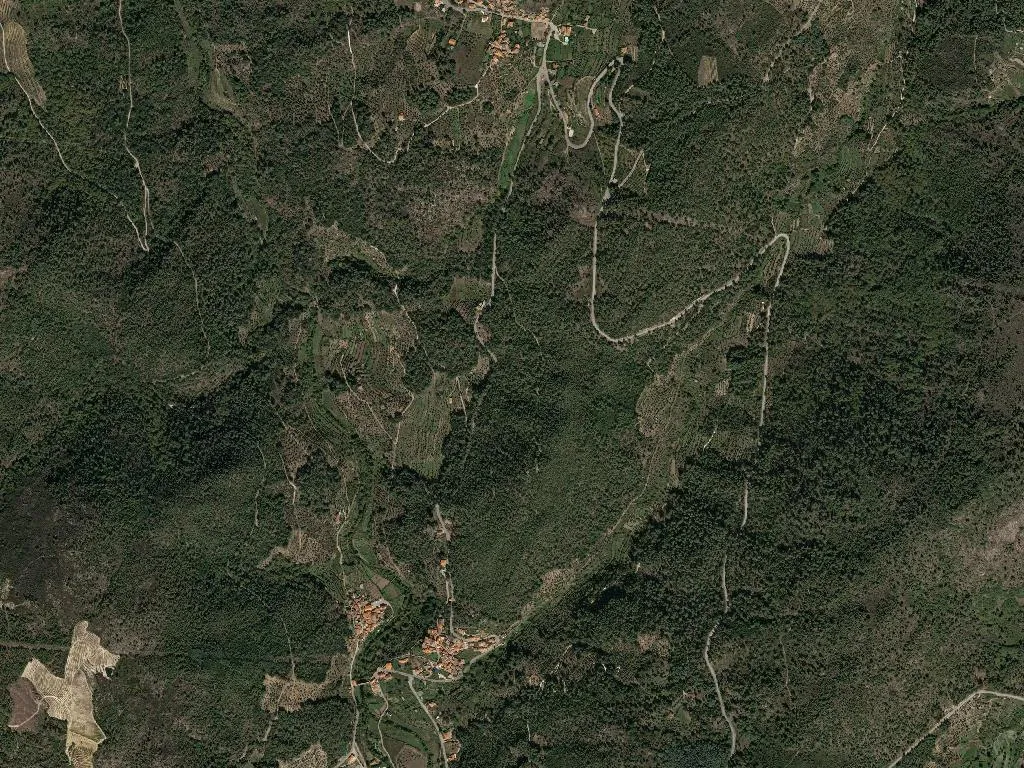
The sun still hovers above the ridge when silence settles over Granja do Tedo, thick as the schist that props up the terraces. It is a silence you can hear – the Tedo river threading the valley floor, a cellar door groaning at Quinta do Tedo, the black wheatear whistling from a granite wall. At 489 metres above sea-level, time is measured not by clocks but by harvests, by layers of light that turn the vines from viridian to burnt gold.
Vines that breathe
The hamlet began life in the seventeenth century as a farm belonging to the Tedo family; the name stuck to both place and destiny. Absorbed into the municipality of Tabuaço in 1856, it never abandoned its calling: grapes on dry-stone terraces that have been a UNESCO World Heritage site since 2001, part of the Alto Douro Wine Region. Since 1992 the 36-hectare slope has belonged to Vincent Bouchard, ninth generation of Burgundy’s Bouchard Père & Fils. He converted the property to certified organic viticulture in 2018, letting the fruit ripen slowly under the surveillance of the black wheatear – the small bird now stamped on every bottle.
Inside the 1928 granite lagares, French-oak casks sleep in the gloom. The 2006 Colheita Port, awarded gold at the 2025 Decanter World Wine Awards, is still there, inhaling the oscillating temperature of the cellars. On the A-grade terraces – Douro’s answer to grand cru – the vines grow unirrigated, roots wedged into dark schist that stores the day’s heat and releases it after dusk.
Taste of place
Food at Granja do Tedo is inseparable from the vineyard. Bistro Terrace, open Wednesday to Sunday, pairs Transmontano recipes with Mediterranean precision: wood-oven leitão, kid goat stewed until it sighs, turnip tops wilted in estate olive oil. The chestnuts of Soutos da Lapa – DOP-protected since 2005 – appear in soups and cakes, roasted until their shells split like gunshot. Rice and potatoes simply boiled with garlic and olive oil arrive at the table a few metres from where the grapes were picked.
In spring the terraces blush with lupins, clover and buttercups. Wild asparagus push up beside the irrigation channels, gathered by walkers on the Tedo Valley footpath. Migratory birds return, and the black wheatear resumes its post on eighteenth-century walls.
Harvest and hush
Between August and September the hamlet wakes before dawn. Baskets of woven willow, hands dyed violet, the steady tread of feet in the lagar – the harvest brings controlled commotion. For the rest of the year only the festivals disturb the quiet: Santa Maria do Sabroso (first week of August), São João (24 June), Santa Bárbara (4 December), when the 156 residents process through streets barely wider than a tractor, brass bands echoing off schist.
Late-afternoon wind carries the scent of damp earth, fermenting must, woodsmoke. The Tedo mirrors an ochre sky; the black wheatear sings once more before roosting. There is no hurry here – only the soft weight of ripe grapes and the river’s unhurried conversation with stone.