Full article about Távora & Pereiro: Where Granite Benches Stay Empty
Stone terraces, copper jugs and a lamb-scented dawn in Tabuaço’s forgotten twin parishes
Hide article Read full article
The Stone No One Sits On
The pelourinho’s granite slab radiates afternoon heat, yet the bench stays empty. Same rule as the café chair that old Zé has silently reserved for thirty years: everybody knows it belongs to him, whether he’s there or not. In Távora the head-count is 362 – I totted them up yesterday on the back of a Continente receipt while the grocer still wrote my tally in pencil.
Grandmother called the parish church “the big one”, though Santa Leocádia at Paço is larger. Father António, pushing eighty, celebrates Sunday mass and remembers boys receiving First Communion in short trousers. The saints on their canvases track you round the nave like the neighbour who notes the exact minute you stumble home.
Where the Schist Wrinkles
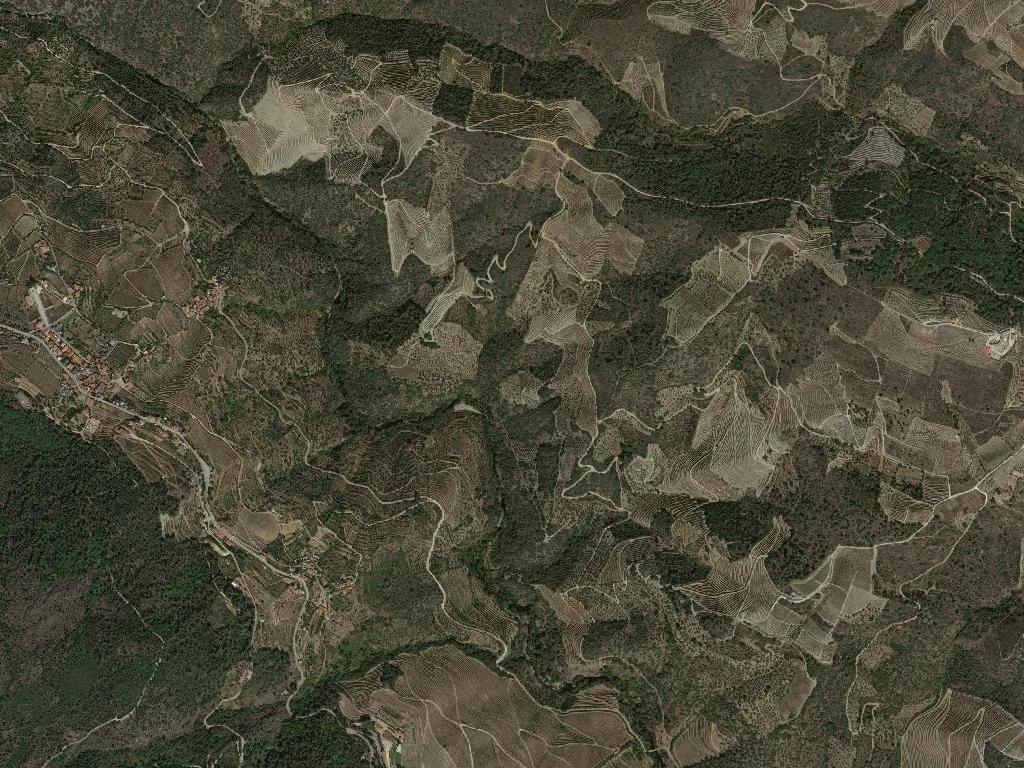
The terraces resemble my father’s brow: each furrow stores a year, a harvest, a war. Locals roll their eyes at the prices English buyers will pay for Quinta do Convento reds, but Celeste’s table wine, decanted from five-litre water bottles, survives blind tasting without shame. Quality is a palate, not a price tag.
As kids we stripped off shoes and trod grapes in Sequeiro’s stone tank. Stainless-steel augers do the work now, yet the smell hasn’t changed – must married to rock that lingers on skin for days. Chestnuts from Lapa wood are good; those behind my mother-in-law’s house, where dawn sun strikes first, are better. No DOP badge, just flavour.
My Grandfather’s Night-time Footpath
The marked trail along the terraces once carried my grandmother before sunrise, balancing a copper jug on her head. Today it’s Instagram fodder, but she still climbs it for wild parsley, insisting schist soothes her joints.
In Pereiro the granite granaries stand hollow. Maize now arrives pre-husked from Intermarché, yet the elderly visit the empty stores like family graves. On St John’s eve the communal oven fires at five a.m. Rui – Porto-returned, therapy-jaded – always brings a spring lamb. “Cheaper than analysis,” he mutters, moistening the stew with wine no one asks about.
When the sun drops behind Marão the valley bruises to the colour of my cousin’s post-harvest T-shirt. Silence settles so complete you can hear Mário’s Christmas-clock chime six. Nobody counts; everyone knows it means supper.