Full article about Dálvares: where chestnut smoke drifts over Arouquesa beef
Tarouca’s mountain hamlet pairs DOP chestnuts, violet beef and Douro air
Hide article Read full article
The scent of roast chestnuts
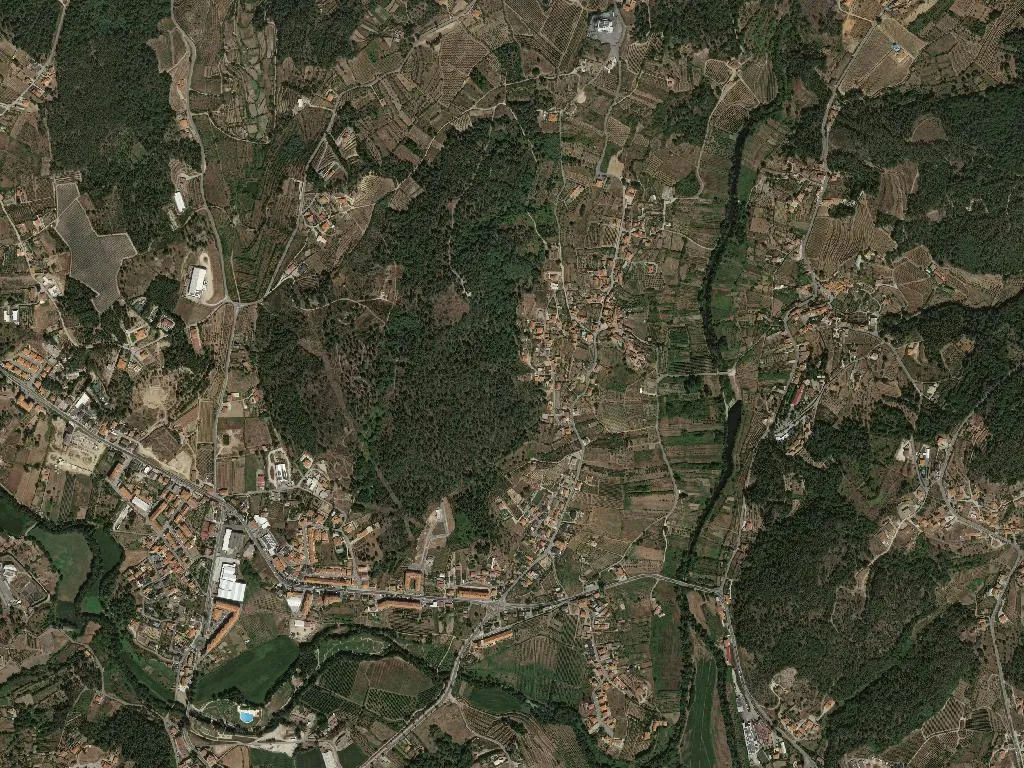
October slips down the terraced slopes of Dálvares and the first wisps of smoke curl from half-open doors. At 556 m the air is thin enough for morning mist to linger, thick enough to carry the caramel note of chestnuts blistering in the embers. In this pocket of the Tarouca valley the calendar is edible: what you eat tells you exactly where you are in the year.
Chestnuts with a surname
Forget generic winter nuts. Here they answer to Castanha dos Soutos da Lapa DOP, a protected origin that predates any marketing department. The trees grow broad-armed and ancient; their spiky husks split to reveal ivory kernels that roast into velvet. One bite – ideally taken straight from the hearth while the shell still crackles – explains the paperwork: creamy, honey-sweet, never cloying. On raw afternoons they double as hand-warmers and lunch.
The four-legged co-star
The same pastures that colour the hillsides in spring wildflowers fatten the Arouquesa breed, another DOP pedigree. The beef arrives marbled, almost purple, tasting of mountain thyme and clover. Locals simply grill or spit-roast it, serve with potatoes and a shiver of kale, then step back. Anything more would be an apology for flavour already complete.
Where the Douro begins to breathe
Dálvares sits on the eastern shoulder of the Porto e Douro wine region. The slopes here are gentler than the vertiginous quintas downstream; altitude softens the summer furnace and the valley still feels roomy. Reds stay bright enough for August terraces, whites gather weight for December stews; both accompany the smoke-kissed charcuterie and sheep’s-milk cheeses that appear on every table.
Saints, processions and night-long tables
June belongs to São Pedro. After the solemn mass a brass band strikes up, the single main street becomes a dance floor and the parish’s 2,166 residents are suddenly twice that number. In early September the Romaria de Santa Helena da Cruz pulls pilgrims up to the hilltop shrine: faith, gossip and picnic hampers in equal measure. Between them these two feasts book-end the agricultural year – vines pruned, chestnuts gathered, life measured out in corks and husks.
What the census misses
With almost 198 inhabitants per km² Dálvares is densely peopled for inland northern Portugal, yet only 318 are under thirty while 395 are over sixty. The raw ratios hide the school playground that still echoes at break time, the widower who tends a kilometre of espaliered peaches, the Lisbon cousins who return every August and refill the silence. Memory here is carried in muscle: the heft of a sack of just-picked chestnuts, the drift of wood-smoke at dusk, the taste of beef that still carries the mountain in its fibres. Nothing postcard-worthy – simply the reasons you find yourself plotting a return before you’ve even left.