Full article about Gouviães: Where the Bell Sings to Terraced Douro Vineyards
Chestnut-fed beef, purple Touriga grapes and echoing church bells define Tarouca’s mountain parish.
Hide article Read full article
The bell that talks to the valley
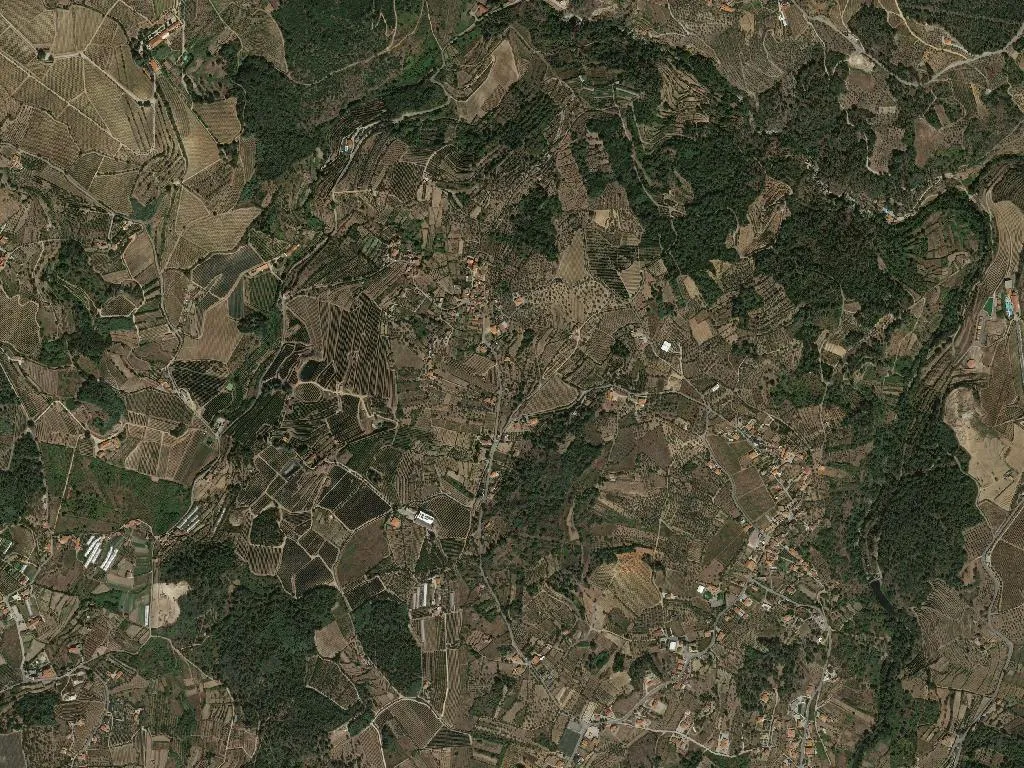
The church bell throws its note across the ravine and waits; the reply that returns is not an echo but a hillside answering in kind. In Gouviães, folded into the southern flank of the Serra de Leomil, the granite walls still radiate yesterday’s heat long after the breeze has cooled. Three hundred and forty-nine people share 7.47 km² of schist and oak, vine and chestnut, a parish that climbs to 462 m before it meets the sky.
Vines pushed to the edge
Douro demarcation begins here: the same 1756 charter that protects the river’s dramatic quintas further east covers these tilted terraces, stitched together without a plumb-line in sight. Old vines grip schist that releases the day’s warmth after dark, coaxing Touriga Nacional into velvet concentration. September is purple-fingered, basket-heavy work; grapes roll down the slope to the co-operative founded in Tarouca in 1964, where must ferments in low-ceilinged lodges that smell of toasted oak and bubbling juice. Bottles never reach London wine-bar lists; they leave the valley in the boots of visitors who know the cooperative’s unmarked door.
Meat that remembers the mountain
Arouquesa beef arrives from pastures that sit 250 m above the village, where endangered, chestnut-coloured cattle graze for three unhurried years among scattered holm oaks. The meat, firm and almost maroon in colour, is slaughtered under Moimenta da Beira’s municipal vet and returned the same day. In the single restaurant that opens for lunch only, it is simply plated: sirloin, roasted Maris Piper potatoes, sautéed turnip tops, a glass of the co-op’s red. Up on the Monte de Santa Cruz, October brings the Terra Fria DOP chestnut harvest—50 tonnes of spiny globes gathered at dawn, roasted in wood-fired bread ovens until the shells split like over-baked meringue and the sweetness needs nothing but a glass of rough tinto quente.
Two saints, two kinds of noise
São Pedro, 29 June: the village doubles in size. Mass is said outdoors at 11 a.m. in front of the 1752 parish church, altar cloths flapping like regatta flags. The closed primary school hosts an arraial where sardines sell for €2 and chouriço for €1.50; fireworks rise from the churchyard and drift over the vines like sulphur confetti.
Santa Helena da Cruz chooses the first Sunday in May. Pilgrims start walking the 3.2 km dirt track at dawn, pausing at the 1892 wayside cross to drink from the Fonte da Pipa. By 10 a.m. the eighteenth-century hilltop chapel holds twice the parish population, devotion measured in blisters rather than words.
What remains when the music ends
One hundred and nineteen residents are over sixty-five; twenty-seven are children. The roll-call has fallen every decade since 1981, yet the place refuses hush. Three small guesthouses—Duas Casas do Casal and Quinta do Pinheiro—host 1,800 annual travellers who come precisely for the absence of soundtrack. Café O Serrano unlocks at 7 a.m. for bread still warm from Tarouca’s communal oven, closes at 8 p.m. when the last domino clacks home.
Evening slant-light ignites the vines on the Penedo slope and turns the schist to copper. Gouviães makes no promises of adventure or bragging rights; it simply lets you sit on the school wall, heat seeping through your jeans, and remember that somewhere the essential never went out of fashion.