Full article about Mondim da Beira: Sardines & Ice-Cold Varosa Water
Mondim da Beira, Tarouca, hides a slate river beach beneath 13th-century arches, scent of grilled sardines and chestnut groves carved with names.
Hide article Read full article
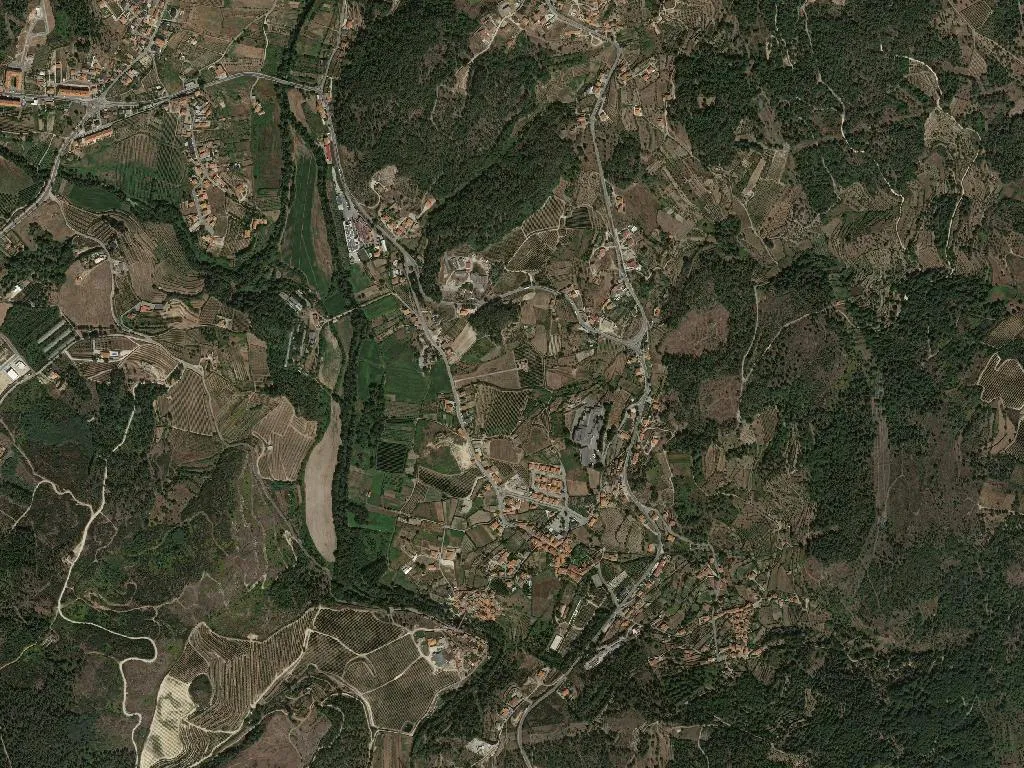
The granite of the bridge still radiates the day’s heat at six o’clock, warming fingertips like a sun-warmed copper pan. Below, the Varosa sluices through slate, its hiss mingling with children’s shrieks and the oily breath of sardines hitting charcoal. Mondim da Beira clings to the valley walls—white houses terraced like loose teeth in a gum, 585 parishioners who can identify every creak of the planks and know, by scent alone, when António has started supper.
Stone upon stone, century upon century
No plaque records the bridge’s age; Zé Mário’s great-grandfather already called it “the old one”, and that suffices. Two perfect arches, so narrow that João’s tractor grazes both parapets, retracing the hoof-scuffed route cows once took to Tarouca’s Thursday market. Upstream, the Arco da Paradela is now only a rectangular bite out of a wall, yet it still orients strangers: “Just after the arch, turn left.” The Old Church lost its roof in the gale of ’78; half the gilded altarpiece was carted to Lamego museum, what remains glints through a broken window like a misplaced reliquary. The granite cross in the churchyard survives intact, serving as card table for the retired men who play Sueca when the sun slips behind the ridge.
Cold water, hot rock
The river beach is pocket-sized: 120 m of smooth slate, two corrugated-drum barbecues, a changing block that reeks of chlorine and boyish mischief. In August it fills with Viseu towels still tagged with El Corte Inglés labels and children who have never felt water this side of freezing. The Varosa tumbles straight off the Serra de Leomil as if from a fridge shelf; swimmers gasp, then stay in for hours. Walk it off on the PR2 levada trail that starts behind the beach bar—reeds whip your calves, Basílio’s water-mill offers only rusted cogs and a startled barn owl, and you emerge in the Lapa chestnut grove: sixty trees, fifteen tonnes a year, each trunk still knife-scratched with its planter’s mother’s name.
Weighed and measured at the table
Carne Arouquesa DOP comes from cattle that grazed the same riverside meadows now colonised by picnics; the flavour is of wild fennel and Varosa water. Amílcar’s kid goat is killed on Friday, slow-roasted in the defunct bakery’s wood oven: skin that shatters, flesh that dissolves like confit. Chanfana is fortified with Douro red and a slug of Rosa’s moonshine, kept behind the chest freezer. In June São Pedro processes downhill to bless the griddles; the choir strikes up “Ó Que Linda Fonte”, and the congregation eats at pine benches until the beer runs dry. October is for fingering chestnuts from their burrs, simmering the husks into syrup, and stocking larders with smoked walnuts that smell like winter evenings.
Between canyon and chestnut
Kayaks rent for €10 an hour at the bar—dogs welcome if they can swim. Paddle two kilometres up to the gorge where slate walls narrow, dippers dive under the hull, and the only soundtrack is drip and paddle-clunk. Float back at dusk; the cliff-top catches the last light and the river turns the colour of heather honey. When darkness climbs the valley, the Varosa’s note deepens to organ pitch and house-lights flare like struck matches on the slope. The bridge stone is still warm—last touch of the day before you zig-zag home.