Full article about São João de Tarouca: Monks, Beef & Midnight Chants
São João de Tarouca pairs Portugal’s first Cistercian abbey, Arouquesa beef, candle-lit hilltop romaria and Douro reds in one high valley.
Hide article Read full article
The bell tolls three times—dry, deliberate strokes that unspool across the Varosa valley as though time itself were on siesta. On the terrace of Portugal’s first Cistercian house, the granite drinks in early-morning heat while a breeze lifts the scent of damp schist and young vine leaves from the terraces below. At 607 m the air is glass-clear; step into the shadow of the monastery wall and the temperature drops like a stone.
The stone that tamed the land
Founded in 1154, the Mosteiro de São João de Tarouca still anchors the landscape. White-robed monks spent centuries here draining marshes, plotting vineyards and teaching the soil to obey rows. Inside the parish church—Manueline columns, baroque gilt and filtered light that paints slow rectangles on the flagstones—the nave is chilled to wine-cellar temperatures and every footstep returns as a delayed echo, amplifying solitude.
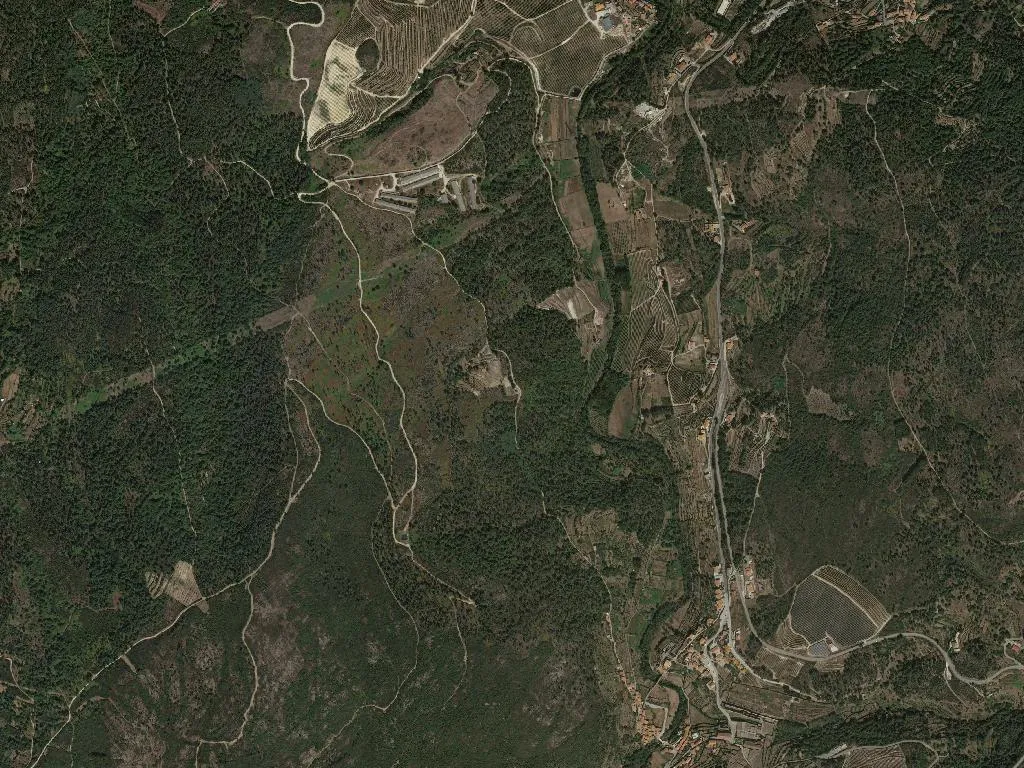
The Varosa footpath climbs past chestnut groves (officially protected as Soutos da Lapa DOP) whose October spines split to glossy nuts, then threads through irregular terraces of tinta roriz and touriga nacional. From the ridge the river appears as a thin silver blade between dark pine and the metallic green of vines.
Beef, chestnuts and red
Arouquesa beef—cattle grazed on upland broom and heather—arrives char-grilled, the flesh deep-flavoured and faintly smoked. It is served simply: roasted Maris Piper-style potatoes and a glass of Douro red so thick it warms the throat like liquid velvet. Chestnuts reappear as dessert: a spoonable sweet or stirred into roast game, reminding you that this kitchen has never bothered with rush.
Pilgrimage and fireworks
June’s São Pedro froth is loud, but the calendar belongs to the Romaria de Santa Helena da Cruz. Locals and the stubbornly barefoot climb the cobbled track to the hilltop chapel, candles in hand, singing monophonic chants that pre-date the nation. After dusk the procession becomes a filament of light inching up the dark slope.
Four hundred and sixty souls are registered here, though a few façades are still boarded-up souvenirs of rural flight. At twilight César pulls pints of lager—called finos this far north—for whoever is left in the café to argue about Porto's midfield. Sit on the concrete bench, watch the westering sun turn the monastery honey-gold, and feel the mountain's chill slide into the square like a cat coming home.