Full article about Várzea da Serra: Where Chestnut Bells Echo
Baroque churches, DOP chestnut groves and 929 m silence above Tarouca
Hide article Read full article
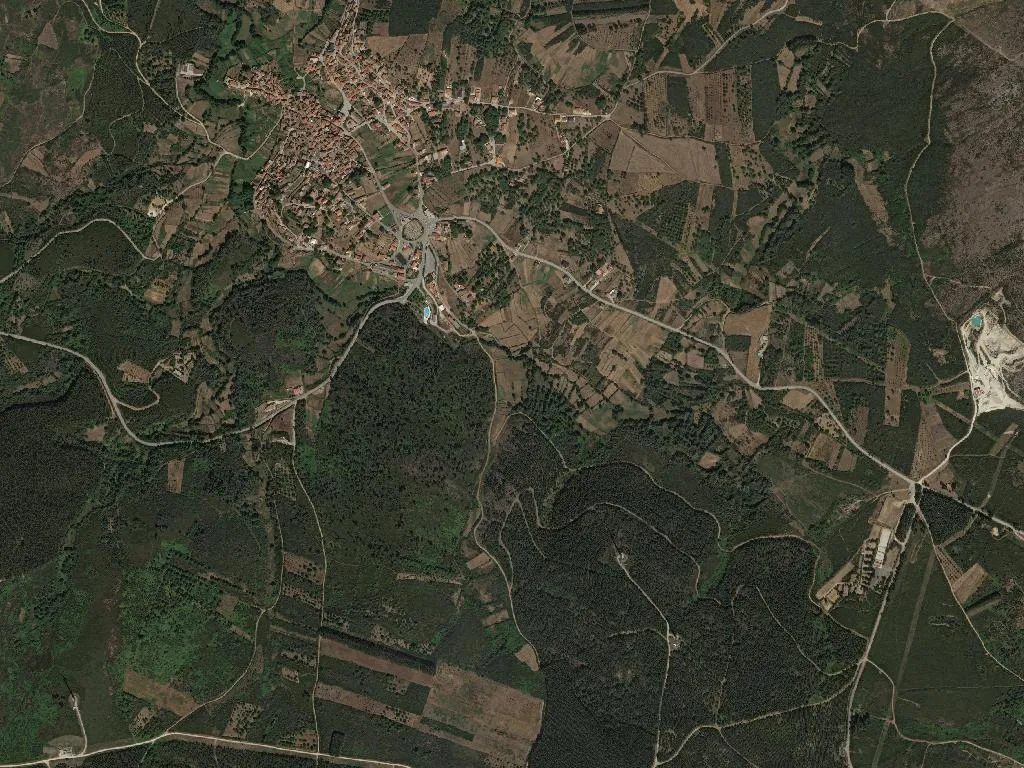
The church bell strikes twelve and its bronze note slumps down the hillside like a regular slipping into the pub after Sunday lunch. It drifts through chestnut terraces, rattles the stone granaries on stilts, then dissolves in the valley haze. At 929 m, Várzea da Serra inhales so slowly that even the native Arouquesa cattle seem to pause for a mid-morning bica. June air carries the chill of altitude; it smells of damp loam, resin and the sort of silence that makes a mobile phone display a single, apologetic dash.
Where stone keeps the baroque
Igreja Matriz de São Pedro squats in the middle of the plateau, whitewash glaring against the schist cottages. Inside, the eighteenth-century gilded altarpiece still competes for attention, but the floorboards—warped and gossiping—tell the better stories. Azulejo panels the colour of a cloudless winter sky narrate biblical scenes to anyone who can read the tile-bound graphic novel.
Higher up, where the slope folds like a leg of lamb, the chapel of Santa Helena da Cruz stands alone. Legend claims that in 1640 a radiant cross appeared here and chased the plague from these hills; wood for the chapel sprouted overnight like mushrooms after rain. Parish elders dismiss it as pious folklore, yet everyone knows miracles, like ceps, turn up when no one is looking.
The trail of the centuries-old chestnut groves
The footpath between the two churches is only eight kilometres, but with a hangover it feels like eight centuries. Locals simply call it the “Chesnut Way”. The Lapa grove—fifty contorted trees that look as if they have eavesdropped too many tavern tales—was Portugal’s first chestnut orchard to earn DOP status. In autumn the ground is a minefield of spiny burrs; the only hostile fire these hills have ever known.
The Várzea stream keeps company along the route, hopping between moss-covered boulders like a child on the first day of term. Every so often the trees part and there it is: the Douro, its terraces wrinkled like an old farmer’s face after too many bagaço nightcaps.
Meat, chestnut and pumpkin jam
The village grocery doubles as café, taproom and informal therapy couch; its oak counter has heard more confessions than the vicar. You can buy still-warm bread, sheep’s cheese that reeks of the devil, and chestnut sweets that annul any diet.
Carne Arouquesa is a narrative that demands patience. Grilled over oak embers, it arrives with potatoes and chestnuts that could pass for uncut garnets. The Lapa chestnut appears in everything: salt-cod stew, brick-dense cake that tastes unexpectedly celestial, even a syrup drunk by the spoonful. Sponge cake arrives wearing a thick overcoat of pumpkin jam—pudding on top of pudding. Leomil meringues melt on the tongue like summer-holiday promises.
Up-hill and down-dale festivals
On 29 June, São Pedro steps into the lane and the village swells. There is music, a parish bake-off where neighbours joust over recipes their grandmothers took to the grave, and dancing that lasts until the cockerel rehearses its second aria.
The first Sunday in May brings the Romaria de Santa Helena: pilgrims climb the slope singing litanies that sound like lamentations, laurel branches in hand as if tucking hope into a pocket. During October’s Chestnut Fair the square becomes an open-air kitchen; the scent of roasted nuts lures more people than sardine smoke in summer. At Carnival, masked “folias” troupes go door-to-door demanding eggs and bacon, singing quatrains designed to terrify any mother-in-law.
Late afternoon, from the miradouro da Cruz da Senhora, the sun sets like a regular leaving the café—slowly, promising to return tomorrow. The wind carries the tang of wood smoke from kitchen hearths. Down below, a cow lows; probably the garrulous Mariazinha. The bell tolls the Ave-Marias, announcing suppertime. In Várzea da Serra, time is measured not in hours but in stories—like house wine, poured generously and refilled without asking.