Full article about Dawn smoke & Serra lamb in Mosteiro de Fráguas
Granite lanes where chouriço blushes and oak-split echoes name the dead
Hide article Read full article
The scent of chouriço at dawn
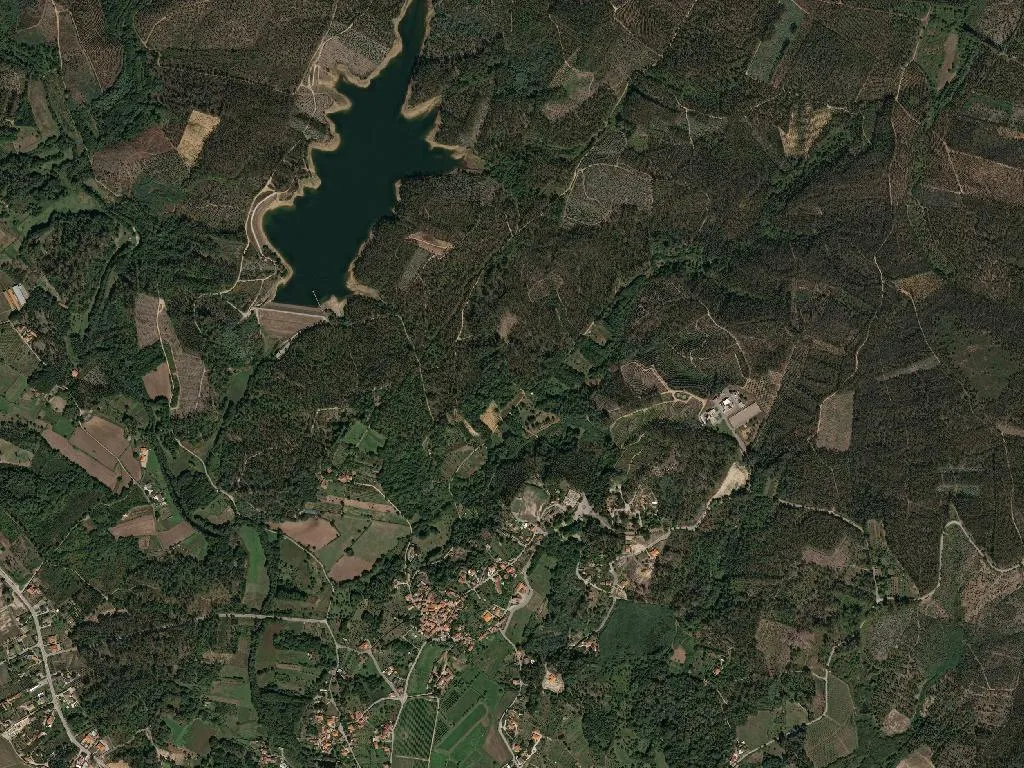
The smoke hits you before coffee. In granite cottages threaded along a ridge above the Dão, loops of chouriço blush in the morning draughts, bleeding paprika-scented air into lanes so narrow dogs have to sidestep. We are 356 m up, where the valley tightens and the weather report is still read in the sky by 672 people who trust clouds more than apps.
Stone that remembers knees
Legend pins the name to a long-vanished monastery—no archive agrees, no elder can point to foundations. What endures is the schist itself, fine-grained and unforgiving, the sort that rasps denim and skin alike when you kneel to weed a terrace. Houses settle where geology allowed, 61 inhabitants per square kilometre, close enough that when an oak snaps in the graveyard everyone knows whose plot it grazed.
Demography is blunt: 223 residents over 65, 69 under 18. Do the maths. Those who remain carry detailed mental maps—where the sweetest fig ripens against a wall, which spring runs coldest, which hollow hoards fog until lunchtime.
Tastes with postcodes
The lamb really is Serra da Estrela—ear-tag proof, milk-fed on high-altitude heather. Roast it slowly with mountain rosemary gathered on pre-Mass Sunday walks and the kitchen smells like Christmas in July. Neighbouring Arouquesa beef has been crossing the municipal boundary for so long it has earned dual citizenship; here it is simply “the steak”, grilled over vine prunings or shoved into a wood oven for festa day.
Cheese arrives in muslin-wrapped wheels, oozing at room temperature like a guilty secret. Refuse Serra da Estrela and you might as well admit you prefer tea to wine—possible, but socially awkward. As for drink, there is only Dão: tintos that taste of pine-resin and wet granite, drunk from ceramic bowls at 11 a.m. because the bottle was already open.
A timetable you can set your watch to
5:30 a.m.—tractors cough, hens lodge formal complaints, João’s café unbolts. Bread? Only if you beat the queue. By eight Carlos has sold out: crusty pão de cabeça made with his grandfather’s sour-dough cloth, no plastic sacks in sight. Antonio passes with a mule—yes, an actual mule—hauling firewood down from the pinewood. Payment is fluid: today’s logs for tomorrow’s help picking olives. Cash is reserved for diesel, coffee, and anything that can’t be bartered.
What lingers
At dusk the village turns the colour of terracotta roof-tiles. Chimneys release vertical handwriting—who is home, who is still walking the fields. The river argues with boulders far below, loud enough to hear because mobile reception never arrived.
Mosteiro de Fráguas is not an attraction; it is an atmosphere. Perch on the churchyard wall, watch swallows stitch the eaves, listen to a neighbour split logs the way others narrate memoirs. There is no ticket office, no fridge magnet. Only residue: smoke in your jumper, violet-stained lips, the certainty that tomorrow, God and Carlos permitting, the bread will be back.