Full article about Tonda’s Dawn: Bread Steam & Dão Light
In Tonda, mornings begin with oven-warm loaves, mountain cheese and vines stitched into schist
Hide article Read full article
The Light of Morning
The light of morning spills through the window of the bakery, laying a gold bar across the tessellated floor. Fresh loaves exhale on the counter; their yeasty breath mingles with espresso steam from the hissing Italian machine. In Tonda, nobody jolts awake to an alarm—time is told by who passes the window and whether the bread has cooled.
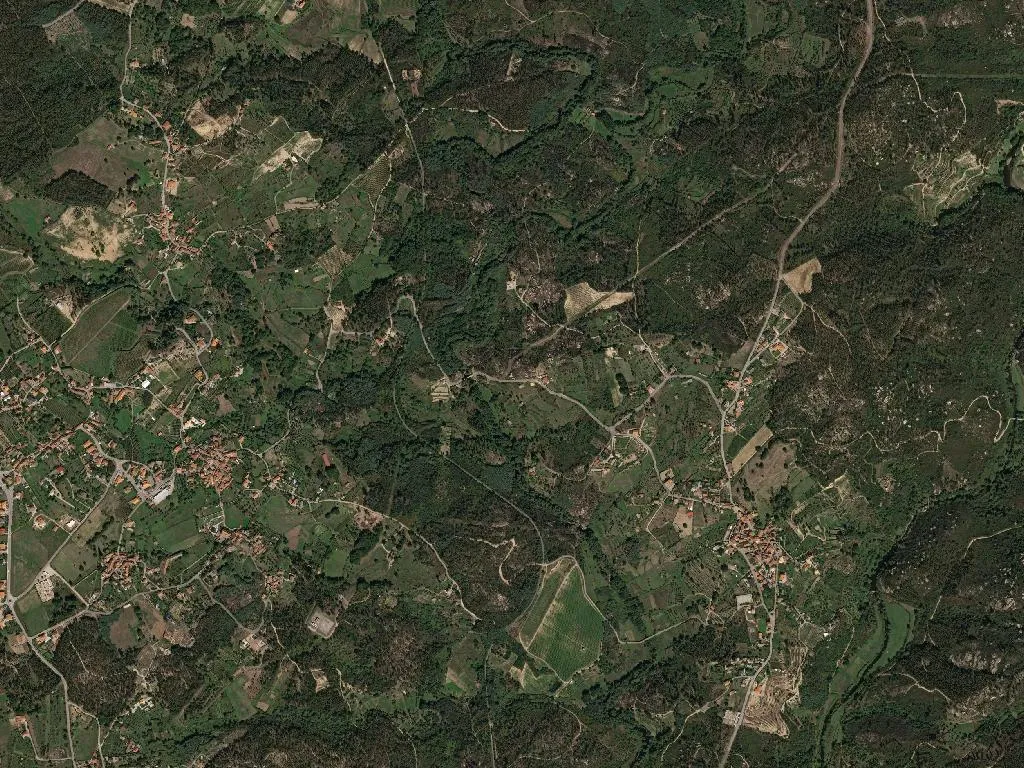
Nine hundred people are scattered across seven kilometres of Dão foothills at 219 m above sea level. Schist walls quilt the slopes into family plots that have rarely changed hands; the vines switch from emerald in July to garnet in October. One hundred and four children share a single primary school while 267 elders keep the archives of memory. Weekdays feel lopsided—benches stay empty—then Sunday swells when Paris- or Geneva-plated cars nose back into driveways and the cafés refill with returned emigrants.
Taste of Terroir
Breakfast is homemade bread with Requeijão da Serra da Estrela DOP, a cloud-fresh curd you spread like butter. At lunch the same cheese arrives runny, its centre spoonable, tasting of thistle and high pasture. Feast days mean Borrego Serra da Estrela DOP—whole milk-fed lamb seasoned only with coarse salt and wild garlic, roasted for six hours in a wood oven until the skin shatters. If you’re lucky you’ll find Carne Arouquesa DOP, beef from long-horned mountain cattle, grilled over vine trimmings in back-room restaurants that don’t bother with printed menus.
Wine is never an afterthought. In private cellars, bottles of Dão rest under handwritten labels: Touriga-Nacional blends that demand roast kid, Encruzado whites chilled for the cheese. Come mid-September the parish smells of bubbling must; fingers stain violet, conversations stretch past midnight.
Everyday, Unframed
There are no listed monuments, no signed viewpoints. Tonda offers instead an unscripted view of the Portuguese interior. Women peg washing in terraced gardens, men crouch beneath walnut trees bleeding hydraulic oil from a 40-year-old Massey-Ferguson, cats appropriate church steps for solar recharging. Only one dwelling is registered for tourists—an eloquent footnote on the pace of life.
Maize gives way to potatoes, then back to vines. Winter fog climbs the valley erasing houses roof by roof; August heat lodges in whitewashed walls until dusk, when a breeze carrying pine and granite drifts down from the distant Serra do Caramulo.
Population density is low enough for everyone to know the neighbour’s middle name. Greetings last: an update on aunty’s hip operation, the price of last year’s grapes, the grandson’s civil wedding in Manchester. News is exchanged outside the grocery, on the churchyard gravel, at the red-and-white bus stop whose timetable is more wish than promise.
When the shadows lengthen and the church bell tolls the Ave Maria, Tonda shows its raw texture: a dog barking somewhere below the ridge, wood-smoke carrying the scent of bean-and-pumpkin soup, a gate hinge squealing shut. No spectacle, no curated experience—just the blunt honesty of a village that, by sunrise tomorrow, will already have decided what day it is.