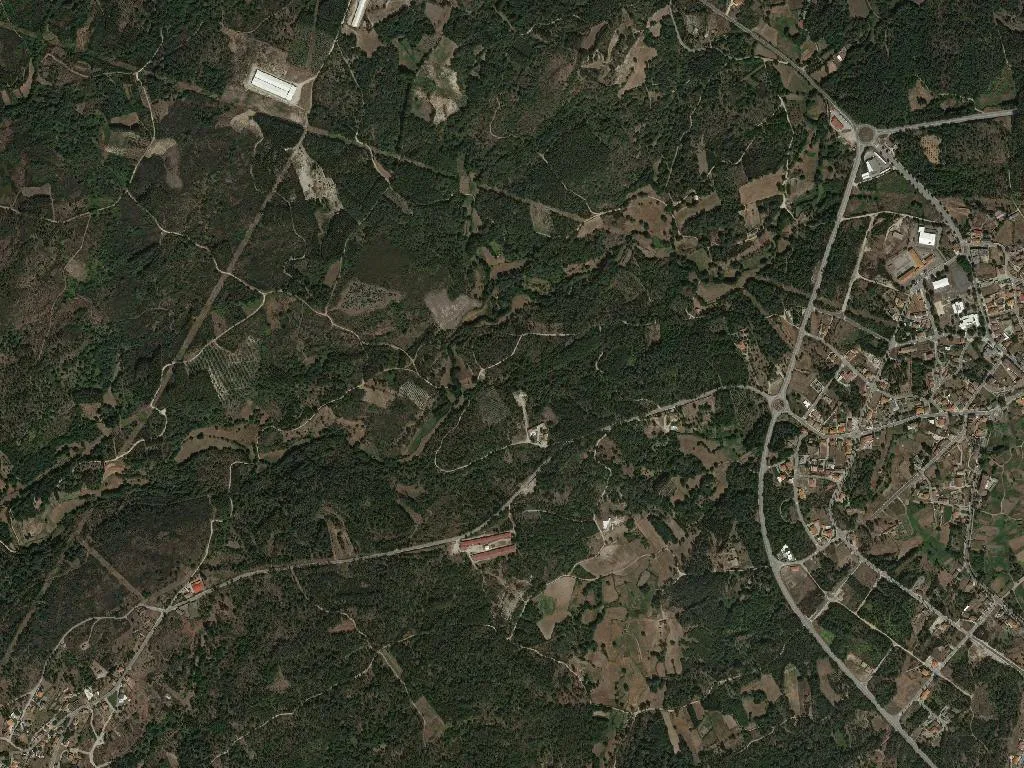
Full article about Paiva’s granite voice: Vila Nova de Paiva, Alhais e Fráguas
Ox-cart echoes, chanfana clay pots and river-shouldered terraces in Viseu’s secret tri-village
Hide article Read full article
The river speaks first
Granite boulders shoulder the Paiva, its voice rising through oak and pine at 752 m. In 2013 the civil parishes of Vila Nova de Paiva, Alhais and Fráguas were stitched into a single administrative thread, yet each hamlet keeps its own accent and stone. Schist walls the colour of weathered tweed seem pressed from the earth itself; terraces of rye and maize climb until the mountain says stop.
Seven centuries logged in stone
A royal charter in 1258 first named the settlement after the river that baptises it; the “Vila Nova” prefix arrived later to distinguish it from its upstream cousin. The Baroque mother church at the centre of the village catches candlelight on gilded carving, while Alhais preserves a Manueline portal carved when Portugal was still sketching coastlines on world maps. Three buildings are listed by the state—enough to map the layers, not so many that the place feels museum-bound. Cross the iron-strutted Ponte de Queiriga, rebuilt after an 1862 flood, and the hoof-polished cobbles still echo with ox-carts that once hauled chestnuts to market.
Meat that carries a passport
Menus here are affidavits of origin: Carne Arouquesa DOP, beef from long-horned mountain cattle; Cabrito da Gralheira IGP, kid goat raised on these same scrubby slopes. Chanfana—beef braised in clay with red wine and garden herbs—darkens the pot for half a day until the meat submits. Rojões arrive stained with smoked paprika, sided by potatoes that have soaked up the sauce. On feast days the table is cleared for queijadas, custard tarts whose recipe was once rent paid to the local convent, and a wheel of amarelo da Beira, the buttery raw-milk cheese that smells of cured hay.
Walking the water’s grammar
The Paiva is not scenery; it is syntax. Follow the PR2 footpath downstream and the river dictates every comma: a ford, a pool, a granite rapid that forces the sentence on. Mediterranean strawberry trees flash rust-red bark among arbutus and holly oak; kingfishers stitch the air above the water. At this altitude winter brings a damp Atlantic chill, summer a dry inland heat, both moderated by the river’s slow breathing. Detour up the tributary valley of Fráguas and you may meet no one except a shepherd shifting his goats between elevations, the bells marking time like a slow metronome.
Wi-Fi through stone walls
Inside the 1930s primary school at Alhais, slate blackboards have been swapped for matte monitors. A €133,000 grant from the Viseu-Dão-Lafões inter-municipal community turned the classrooms into a co-working hub whose stone walls are 60 cm thick—perfect insulation against both July heat and November gossip. Desks sit where inkwells once were, and the fibre connection is fast enough to upload CAD files while swallows nest in the eaves. The project has lured back three former residents and two Lisboetas who now clock off at 5 p.m. and step straight onto a mountain trail.
Golden hour arithmetic
When the sun drops behind the Serra de São Macário the maths is simple: granite plus light equals gold. The church bell tolls 19 times—one for each century the settlement can count—and the river keeps its own tempo, indifferent to councils and calendars. Eighteen hundred and eighty-seven people live here, enough to keep the bakery viable, not enough to silence the night. Walk the high street after supper and you will hear both: the hush of altitude and, underneath, the Paiva turning its pages of stone.