Full article about Alcofra: steak, silence and schist in Portugal's high countr
Alcofra, Vouzela hides granite pastures, Dão vines and posta steaks seared roadside—quiet Portugal at 677 m
Hide article Read full article
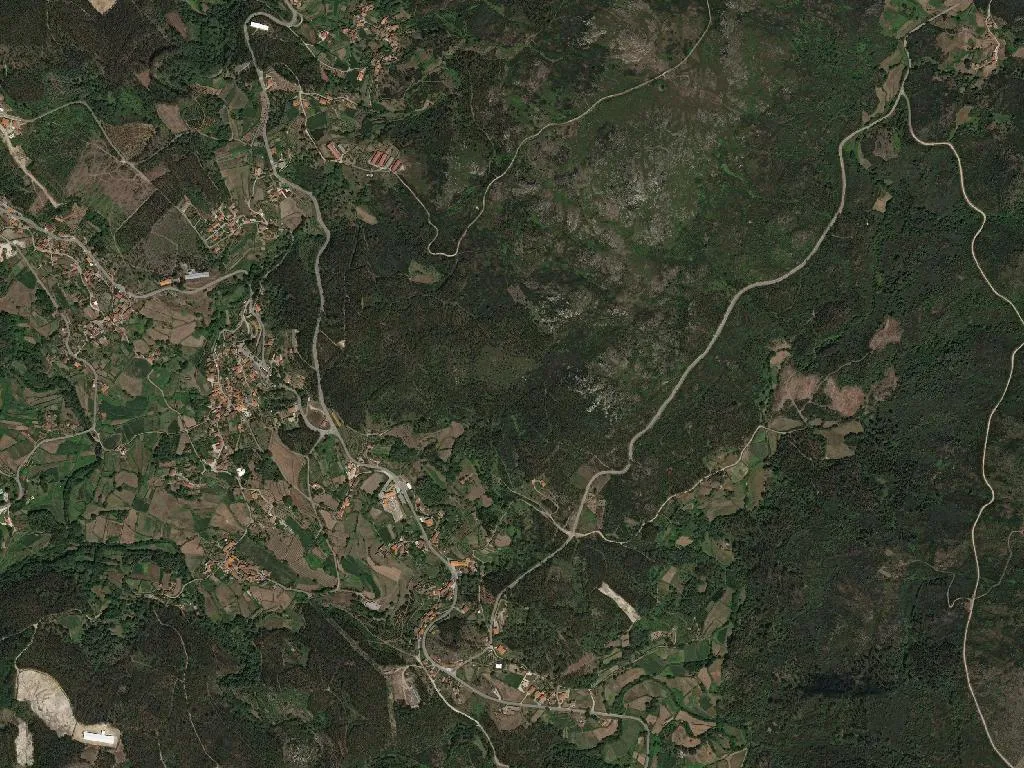
The wind climbs the valley and carries the scent of damp earth and low scrub. At 677 m, Alcofra spills down a slope stitched from schist, pine and pasture where dark, stocky Arouquesa cattle — a native mountain breed whose DOP status is non-negotiable — graze between granite outcrops. Silence here has mass: thick, almost viscous, broken only by a distant dog or the parish church bell that counts the hours without hurry.
The beef that maps the land
Spread across 29 km² of corrugated upland, Alcofra’s 910 inhabitants average 31 per km², a density lower than the Scottish Highlands. Walk between hamlets and you slip through pockets of vegetal solitude: oak and arbutus, broom loud with bees, small fields stitched into terraces by dry-stone walls. Demography tilts elderly — 326 over-65s to 89 children — yet someone still hoes beans at dusk, someone still lights the smoker for winter chouriço.
The village sits inside both the Arouquesa DOP zone and the Dão wine demarcation, a double pedigree that matters. The cattle, horned and chestnut-brown, are shaggy enough to winter outside; their meat, short-fibred and finely marbled, tastes of heather and altitude. Ask for it at Bruno’s roadside café — no written menu, but a charcoal grill glows all afternoon. Order posta: a two-finger-thick steak salted an hour ahead, seared hard, served bleeding and mahogany. It costs less than a chain-store burger and lingers on the palate for weeks.
Vines occupy only the sun-trap slopes. Locals make a little Dão for the cupboard — tiny plots of touriga nacional and jaen that see 20 °C diurnal swings in August, keeping acidity bright.
Living vertically
Daily life is a negotiation with gradient. Roads switch-back, houses clamp themselves to the hill with the stubbornness of limpets. There are no souvenir lanes, no miradouro selfies — just immaculate vegetable beds, woodpiles stacked with military precision, earthen footpaths still used to fetch the cows. The only registered lodging is a lone schist cottage let by a Lisbon architect who fled the city; booking it means you trade minibars for Milky Way clarity and bedside tables for a stack of olive logs.
Evenings arrive abruptly. When the sun side-swipes the pine tops, long shadows pour into the valleys and the air smells of smouldering oak. Night temperatures can drop 15 °C from the daytime high; July can demand a jumper.
How to arrive, how to leave
Public transport is folklore: one bus on Tuesday, another on Friday, both unreliable. Drive — the N16 from Viseu climbs 26 km of switchbacks, GPS signal fraying with the altitude. Fill the tank in Vouzela; the village pump closed in 2018. Bring cash; card machines are considered urban affectation.
Leave before dawn and you’ll meet cattle being herded up the lane, hooves clacking on stone, a soft Low-Country Portuguese calling them forward. They don’t hurry; neither should you.