Full article about Aguada de Cima: Where Woodsmoke Writes on Bairrada Sky
Aguada de Cima village, Águeda, Aveiro: woodsmoke trails, Bairrada vineyards, corn bread & Carne Marinhoa beef between Rossio and Urgueira ridge.
Hide article Read full article
Smoke Signals
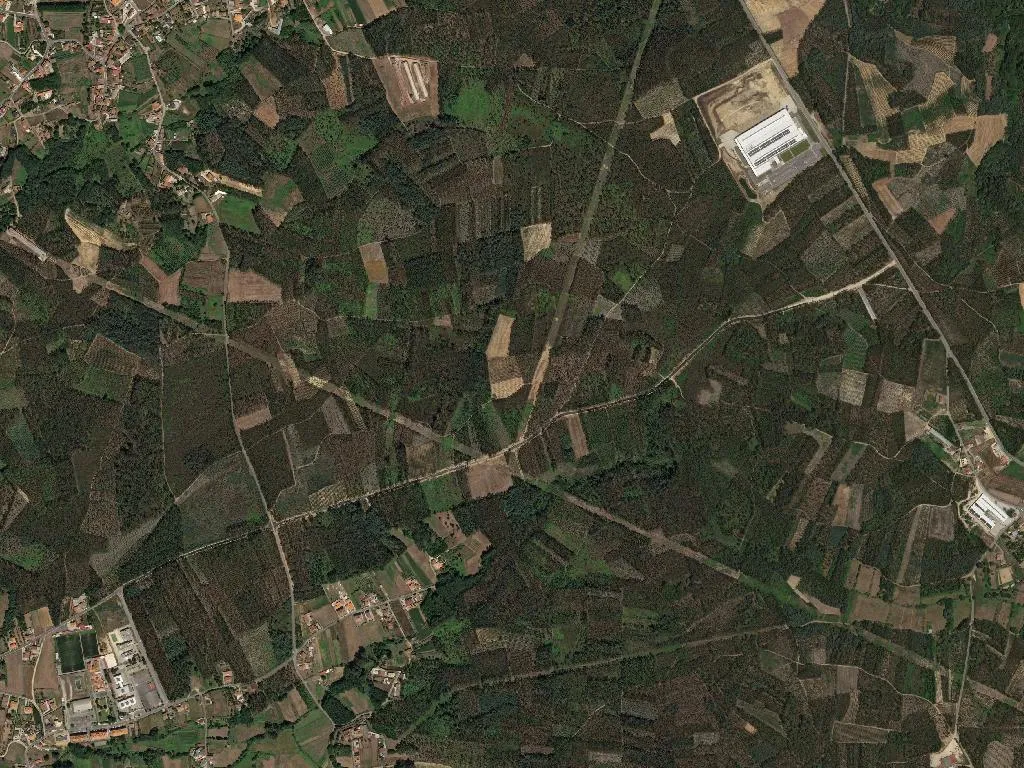
Woodsmoke rises ruler-straight from the chimneys – until the north wind arrives. Then it skims the roof-tiles and drags the scent of burning eucalyptus right across the N234. Aguada de Cima unrolls like a beaten-earth counterpane between the Rossio of Aguada de Baixo and the ridge of Urgueira; the guidebooks insist on “seventy metres above sea level”, but the land dimples and swells, and up by the stone cross at Areosa your eye drops all the way to the distant Mondego. After rain the clay grabs the tread of your trainers and excavates a tiny grave in the middle of the lane – wear white plimsolls once and they’ll be terracotta forever.
In the heart of Bairrada
Only the new vineyard plots obey a ruler; in the old quarter the vines still follow the drunken line of granite walls, hitching themselves to dead elms that serve as trellis. The grape harvest starts on the feast of Our Lady of Grace: hands stained the colour of bruised ink, boot-prints of must across the cellar floor. When the Baga grape turns sweet the crows know first, lunching on bunches before the pickers arrive. In the traditional ground-level cellars the smell of fermenting yeast seeps into your jumper; you leave smelling like bread that hasn’t yet decided to be bread.
Carne Marinhoa beef appears on every menu, but it is along the old EN1 – now rebranded the IC2 – that the cut proves its worth: fat that dissolves into the toaster, bones that make next-day broth. Cornbread spread with salty butter, olive oil from Macinhata and a glass of house red drawn straight from the barrel – more honest than any DOP printed on a card.
Two pilgrimages
The Romaria das Almas falls on Trinity Sunday: it begins in a chapel whose ceiling is painted sky-blue and ends at the bifana pork-steak tent where fathers cradle beer mugs and children leave with candy-floss wigs. Urgueira’s romaria waits until September; at five o’clock the parish bell gives the first toll and women light the brazier to heat lantern oil. The men who shoulder the heavy andora are the same ones who were pruning vines the week before – they swap the hoe for the rope and complain, verbatim, of identical back pain.
Way-marked footpaths
The Central Route of the Caminho Português slips in along Rua do Calvário and slips out past the Chiqueira track. Knock on Dona Adelaide’s door for water and you’ll receive it in a dented aluminium mug plus a wedge of corn-bread “so your stomach doesn’t compose the soundtrack”. The albergue is the old primary school; in the visitors’ book someone has scrawled, in Spanish, “Too early for snorers”. The only Wi-Fi hotspot is Café O Padrão; the cleaner flicks the router off at ten because “the blue lights keep Zé awake”.
The measure of a day
There is no centre, only “the Largo”: two shared newspaper kiosks, a cash machine that occasionally runs out of paper, and Eduardo’s counter where he keeps the tobacco stash and knows without asking who smokes SG and who prefers Rothmans. When fog lifts from the Mondego, the Mamarrosa lighthouse blinks like a single lazy eye. Children catch the school bus at seven-thirty; miss it and Dad drives towards Mealhada while Mum heads for Céspedes – traffic logic that neatly bisects the parish.
Back-garden plots receive their Portuguese cabbages after St Martin’s Day and surrender them before Lent; one is always reserved for Thursday soup. The old maize granaries no longer store corn – they house spades and broken toys and double as photo props for travellers who think we’re still living in postcard times.
At dusk, when the last tractor engine dies, only the crackle of firewood and a distant dog remain. The sky stays undecided: either it releases a mist so fine it fails to wet, or it prises open an orange slit behind the eucalyptus. The plain promises nothing, yet hands over everything: clay on your shoes, the green tannic bite of wine on your tongue, the bell that tolls in the same metre your grandfather once counted.