Full article about Barrô at Dawn: Mist, Bells & Clay Between Vines
Clay-booted lanes, chapel candles, smuggler reeds—Barrô’s quiet stories above the Urgueira stream.
Hide article Read full article
Dawn over clay and vine
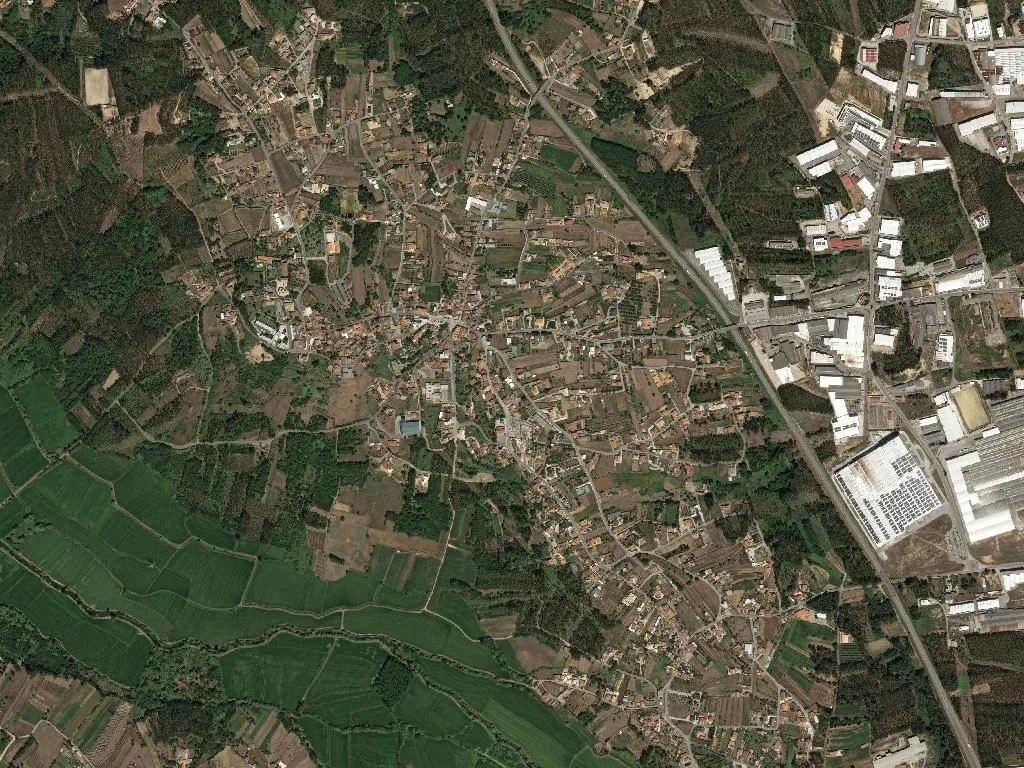
Morning sun rips the mist that pools above the vines. Terraced rows of Baga grapes carve ruler-straight lines across the schist folds; dew still beads the canes and the leaves tremble to a breeze riding up the Urgueira stream. At half past seven the bell of São João Baptista strikes, a bronze note that skims the fields and mingles with the low warble of grey-winged blackbirds in the scattered oaks. Barrô wakes slowly, at the pace of the sticky clay that named it—barro, the Latin for loam that clings to every boot on the dirt tracks.
Pilgrims, smugglers and holy souls
Since 2012 the Central Portuguese Way of St James has been way-marked through the parish; yellow arrows painted on granite border stones point north-west to Mealhada, twelve kilometres on. Yet Barrô is more than a waypoint. On the Sunday nearest 16 July villagers follow a brass band to the tiny chapel at Areosa for the Romaria das Almas Santas, carrying candles and bread to appease the holy souls. Thirteen days earlier, on 29 June, the “Miracle of Urgueira” is remembered: local lore claims a 1940s smuggler leapt the stream here and vanished into the reeds, leaving his pursuers—fiscal guards from the old regime—empty-handed.
The 1897 road bridge still spans the water with riveted iron confidence. Areosa itself owes its name to the seams of quartz-sand that attracted a glass-factory outpost from nearby Marinha Grande in the 1960s. Granite cottages and narrow hay-lofts survive—walls eighty centimetres thick, doorways only a metre-sixty high, forcing every visitor to bow.
Baga, leitão and marinhoa beef
Bairrada slips in through the eyes and stomach. Forty-two hectares of parish vines include parcels of Quinta do Ribeiro Santo, where António Carvalho has coaxed austere Baga into velvet since 1987. Around the corner, Restaurante O Faustino has been sliding crackling-skinned suckling pig from its wood-fired oven at 300 °C since 1973. Less celebrated but fiercely local, Carne Marinhoa DOP grazes on 180 hectares of water-meadow; the rose-veiled beef ends up as slow-roast veal in domestic ovens during winter Sundays. January brings chestnut soup, April–June yields eel stew from the stream, and Christmas tables centre on kid goat scented with bay and garlic. Sunday travellers queue at Padaria Central for pastéis de Águeda—lattice-topped egg custards—while Silva patisserie imports delicate ovos moles from the coast in miniature wooden barrels.
Between water and woodland
The Urgueira meanders eight kilometres through shale valleys, its banks cushioned with alder and oleander. Way-marked trail PR1, “Between Vines and Streams”, climbs 140 m to the Carrascal lookout, giving a hawk’s view of the Mondego basin. Average altitude is a modest 61 m, gifting the parish Atlantic-mild winters (January mean 14 °C) and breathable August nights around 24 °C.
Below the viewpoint, the 1923 chapel of Santo António—built after Spanish-flu deaths devastated the hamlet of Crendes—still hosts card-game gatherings beneath its single bell. In the village centre, the parish church rebuilt in 1878 after the 1858 earthquake fills on 24 June for São João, when the square thumps with fireworks and the sweet smoke of grilled sardines.
As slanted light gilds the vines and the thermometer slips back to 18 °C, wood-smoke rises from chimneys. Barrô folds itself into the clay that feeds it, 1,544 souls preparing supper while shadows lengthen over the furrows that keep the place both named and nourished.