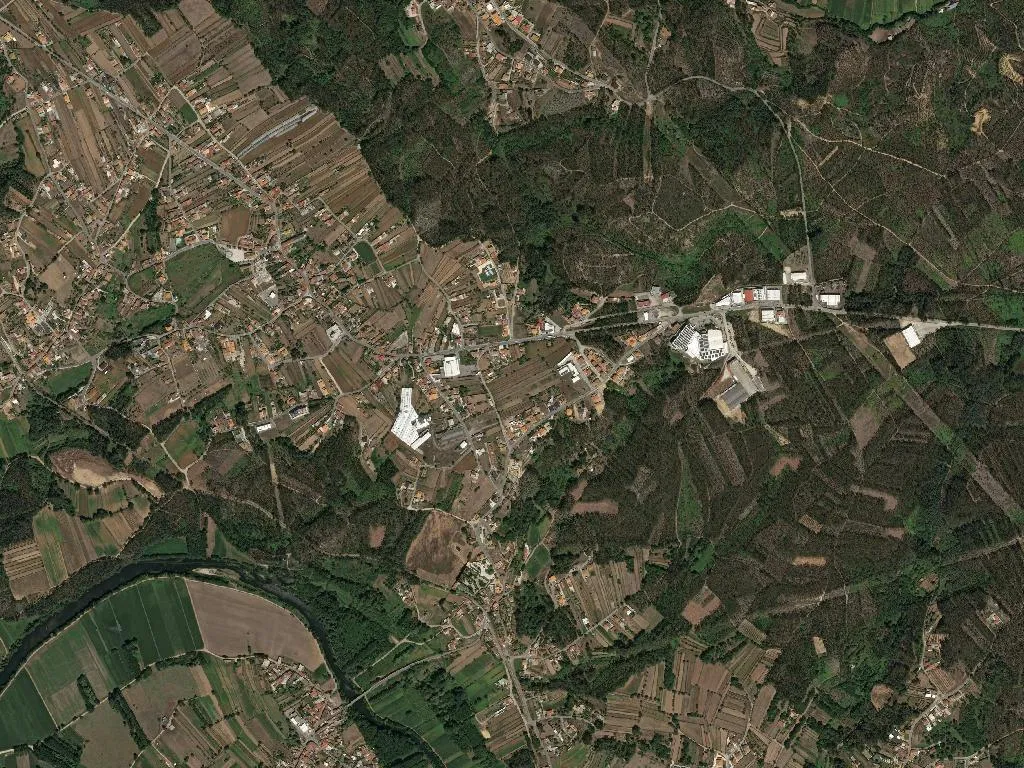
Full article about Travassô & Óis da Ribeira: maize, bells and sugar moustaches
Dawn cracks Lagoa da Pateira as pilgrims-turned-cousins flood the parish for doughnuts and processio
Hide article Read full article
Dawn snaps the surface of Lagoa da Pateira like a pound-shop mirror—cheap glass that cracks the moment you breathe on it. Herons stalk across the reflection with the nonchalant air of locals who never pay for coffee. The smell is half silt, half grass about to seed; it climbs into your trainers the same way it did when you waited for the school bus in wellies.
Where passers-by meet the ones who stay
Travassô does exactly what it says on the tin: it’s a crossing-point. Medieval pilgrims limped in through the maize fields to rest their blistered feet before the haul up to Santiago, and they still mill beside the tractor José drives to drop his daughter at the primary school in Águeda. The white Lopes van careers past every morning, brake pads squealing, bread baskets sliding—perpetually late, perpetually forgiven.
Across the bridge, Óis da Ribeira’s seventeenth-century church stands like a grandmother at a bus stop: hem frayed, spine straight. Inside, Saint Adrian has clocked more visitors than César’s bar ever managed during the annual fair, and that was the place to be, make no mistake.
Field chapels behave like village shops that open only when the owner remembers: flaking plaster, bell that sometimes tinkles, door that sticks—yet on procession day even the woman from the hill hamlet descends to light a candle.
A party that draws more current than the national grid
Twice a year the parish swells fuller than São Jacinto beach in August. Coaches nose down the lanes like overloaded bees, disgorging cousins who haven’t returned since Uncle Augusto’s wedding in ’98. The doughnut queue is mandatory: twenty minutes of Portuguese grumbling followed by moustaches dusted white with sugar. Pimba music doesn’t play, it occupies—accordion and synth washing over the square like cheap aftershave.
The litters rock and lurch as if the bearers are navigating a tractor-rutted track; paper carnations swipe your cheek like ex-lovers who still hold a grudge. Afterwards everyone squeezes onto white plastic trestles. José’s chouriço hisses over a repurposed hoe—“three turns only, after that it’s just for show”—and unlabelled red wine is decorked with the aid of a camping lamp and steady aim.
What you eat (and what you swallow to help it down)
Leitão only qualifies if the skin crackles like sour candy. It arrives with a garlicky sauce the colour of melted butter and roast potatoes that do the decent job of sopping up the fat. Chanfana—old-goat stew—simmers while the table debates VAR decisions and whether another half-hour won’t hurt anyone. Bairrada espumante supplies the palate reset: fine bubbles that rinse the mouth for the next ladleful.
Dessert is ovos moles, the real McCoy: bite hard or the sugar drifts onto your neighbour’s lap. Coffee is dropped—um pingado—conversation lingers longer than the custard.
A lagoon that keeps binoculars busy
Pateira is the parish’s back garden, the largest natural lake in the country, they claim. On Sunday mornings a man with Swarovski optics recites Latin names; locals call them “herons” and get on with the day. The boardwalk burns off lunch—creaking pine, mud that spits, children exhausted for free.
When the sun slips behind the Bairrada vineyards, the scent of warm earth mixes with must fermenting in stone cellars. A church bell tolls, frogs strike up, pilgrims tighten straps: “Twenty-five kilometres to the hostel, let’s move.” The lagoon settles, keeper of footprints and secrets, pretending it never noticed you almost stayed.