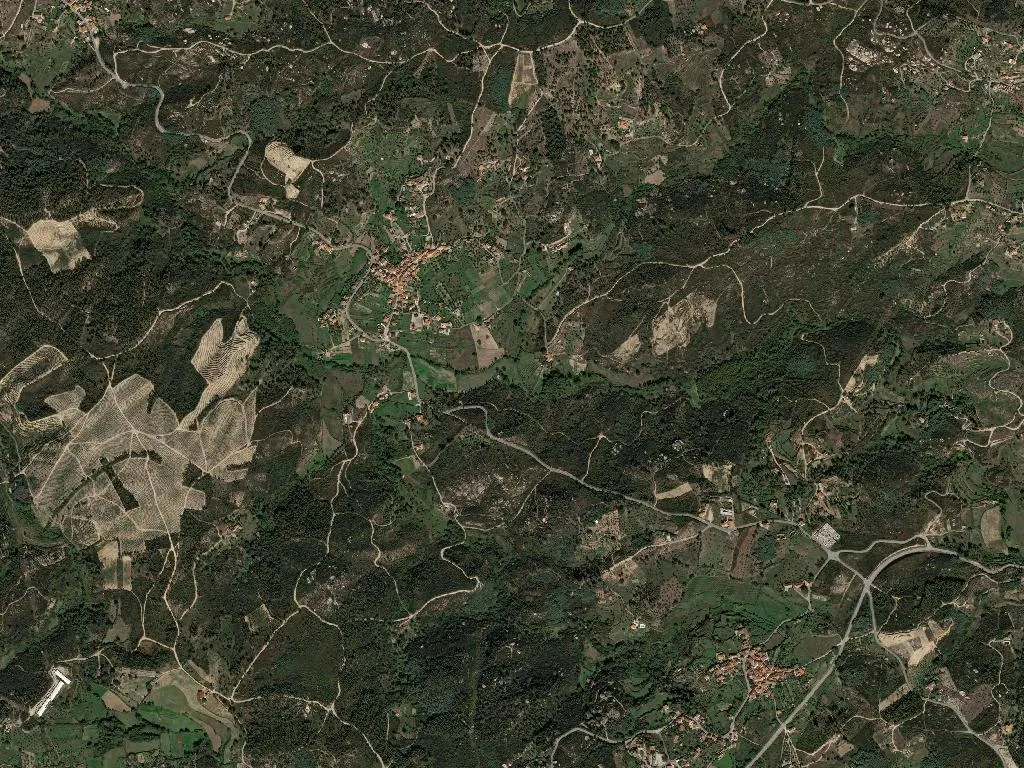
Full article about Oak-smoked villages where vines gossip above the Dão
Covas & Oliveirinha share schist terraces, stubborn walls and kid stew poured by grandmothers
Hide article Read full article
Smoke in your jumper, vines that argue back
The smell of burning oak gets into the weave of your sweater and stays there, the way a grandmother’s eau de cologne lingers on a scarf. On the terraces above the Dão, the vines are not disciplined cordons; they lurch like drunks, elbows out, muttering “shift over, mate, winter’s long”. Covas’ single church bell tolls once, twice, enough to wake the farm dog, then thinks better of it. Nothing follows. This is the Beira that hasn’t realised it is supposed to be interior.
Covas & Oliveirinha: two villages that always walked to market together
The 2013 parish merger only rubber-stamped what every tractor-driver knew: the track from Covas to Oliveirinha is the same schist ridge, the same maize bread in the pocket. Covas took its name from the rain-collecting hollows; Oliveirinha kept the olive tree no one has replanted in fifty years. There is one formally listed building – a manor with a cracked coat of arms now owned by a Swiss architect who flies in for Ascension weekend – but the vernacular architecture you actually notice is the dry-stone wall António rebuilt after Storm Leslie, stone by stone, no cement, just gravity and stubbornness.
Population 1,232: 394 over sixty-five, 113 under fifteen. Do the sums – every child has three honorary grandparents. Tractors indicate at corners; cars learn to wait. Anyone in a hurry is politely advised towards the N17.
What you eat (and can’t buy)
No tasting menus. Dona Rosinha simply beckons you through her blue door and sets down kid that grazed within sight of the glass you’re drinking from. The cheese is whatever Edgar hasn’t yet sold at Tabua’s Friday market; arrive after ten and it’s gone. Bolo borrachão is not dessert, it is a hostage situation: “go on, one more slice, tomorrow there won’t be any”. Apples come from Neto’s backyard, polished on his flannel sleeve. No PDO badge required – just molars.
Landscape worked from first light to last
No way-marked loops. There are service tracks that Jorge clears with a strimmer before Easter. At 276 m you will not glimpse the Atlantic; you will glimpse Srª Fernandes’ cabbage patch. The river Dão glints at the foot of the valley, flagged by a forgotten blue tape the viticulture student left behind last harvest. If you must photograph something, frame Albertina’s hands on the olive ladder: older than most of the chestnuts.
Where to sleep (and where not to)
Eight places. Three are family houses whose heirs moved to Parque das Nações; mothers rent them out so the shutters can stay open. No reception, just a key under the terracotta pot. No buffet, just bread from the bakery that unlocks at seven and cheese still holding the morning’s warmth. No wi-fi, just Zé’s café, which closes when Benfica play and opens when the cockerel remembers.
When you round the final bend
Evening light snags on chimneys like a match someone forgot to shake out. The scent of chouriço curing over laurel smoke braids with the wind off the vineyard. Between the tractor engine ticking itself cool and Sequeira’s dog barking at the moon, you understand you haven’t travelled anywhere. You have simply arrived.