Full article about Tábua: where the Mondego keeps village secrets
Limestone warm at dusk, goat slow-roasting, a bridge that lives only in name—this is Tábua, Coimbra.
Hide article Read full article
When the church stone still holds the sun
The clock of Igreja Matriz strikes six and its limestone is still warm from the afternoon. On Praça Alexandre Herculano, the slap of a plastic ball echoes off granite that has withstood children's soles since the 1930s; the brand-new Adidas is scuffed by the same drag-step their fathers used to keep possession. Through the open door of Café Central, the men nursing aguardente laced with a single clove track the ball's arc as if it plotted the course of their own lives.
The bridge no-one remembers
Just downstream, where the Mondego bends beneath alder and poplar, cartographers once inked a wooden bridge. No piling survives, yet the toponym "Ponte de Madeira" sticks like gum to hair. In the 1600s the Cunha landholders ran mule trains across these fords long before EN17 existed; when the county seat shifted to Alvarelhos in 1721, Tabuenses sulked, branding the newcomers "os do burgo" with the particular scorn of villagers who feel the parish boundary in their bones. Public holiday on 10 April? Everyone takes the morning to lay marigolds on family graves and lunch kid goat slow-roasted in Forno da Vila; the historical footnote is politely ignored.
Houses that carry the conversation
Casa Caeiro da Mata has been painted the same eucalyptus-green since 1974, the year António stepped off the train from Mozambique and decided the village needed colour. Its double staircase was built so his sisters could meet on the half-landing and whisper about errant sons—one ascending, one descending, neither willing to yield the rail. Two streets away, D. Amélia still fires the 18th-century bread oven every Friday, stacking loaves to sell at Saturday's market in Midões. Step inside Igreja Matriz and the air is thick with beeswax and frankincense that clings to linen—the scent of every baptism, wedding and funeral a Tabuense has ever paid for. The library now occupies the old courthouse where Ti Zé's grandfather knelt in 1953, charged with smuggling bagaço; today the grandchildren sit at the same oak table playing Minecraft, oblivious to the ghosts of contraband trials.
Cheese that tells the truth
On Thursdays, Francisco's van rattles down from the Serra carrying wheels of amarelo da Beira—white, spoonable, with a bloomy rind that tickles the throat if you eat too fast. He unwraps them from newspaper like fragile artefacts. Requeijão follows, served in the same clay bowls grandmothers stack on the top shelf, only ever eaten with crust-end pão de testa still hot from the wood oven. No designer labels are required for Dão wine: Zé do Lagar fills plastic flagons straight from the stainless-steel tank. "Gets the Lisboetas drinking properly," he mutters, topping up glasses until they bead with overflow.
The track to the river
The dirt lane begins behind the cemetery where mothers pause to change chrysanthemums on the small turquoise tiles of children who left too soon. Two kilometres of olive and cork oak later, the Amendoeira da Póvoa spreads its branches—on Easter Monday the village lays blankets beneath it and kids peel off socks to feel wet grass between their toes. The Mondego slides below, wide and slow, Viseu-side boulders marking an invisible frontier that local fishermen still respect: cast your line from the wrong stone and you're poaching. Nightjars and bitterns keep the measure of the valley; at dusk the air smells of bruised bramble and still water.
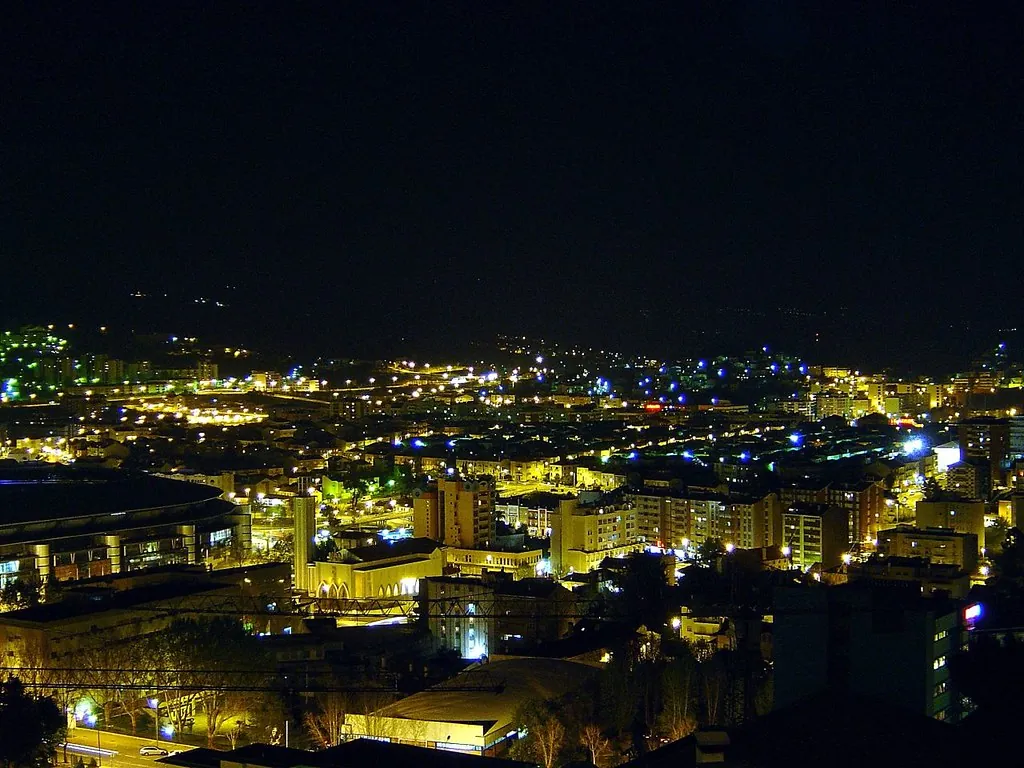
When the sodium lamps flicker on, the church limestone turns the colour of wet slate. Parents shout last names across the square; sardines hiss on makeshift grills, the smoke laced with sulphur from struck matches. Inside Café Central, António orders a final aguardente "to warm the blood", and no one counts. Tabuena life is measured in footprints that linger in dry earth, in shadows cast by the Matriz tower that stretch until they swallow the praça whole.