Full article about Eiras & São Paulo de Frades: Where the Camino Hears Water
Walk Eiras e São Paulo de Frades along the Camino, past Roman paving, 12th-century wheat floors and riverside willow scent minutes from Coimbra.
Hide article Read full article
Where the Ribeira de Eiras Meets the Camino
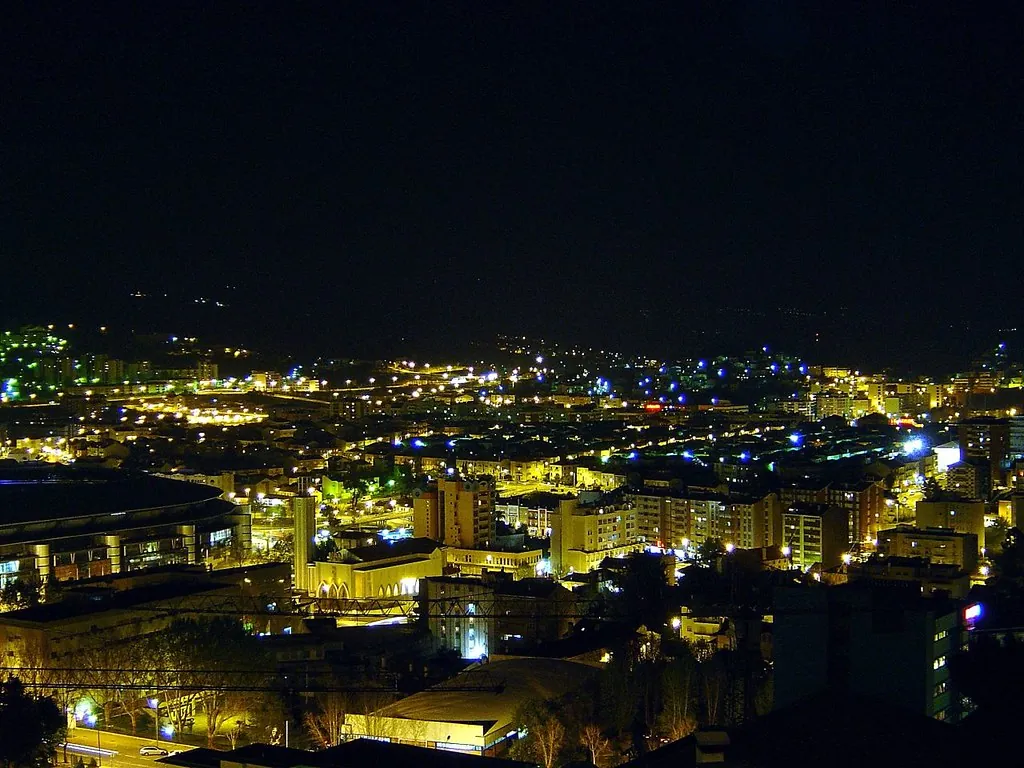
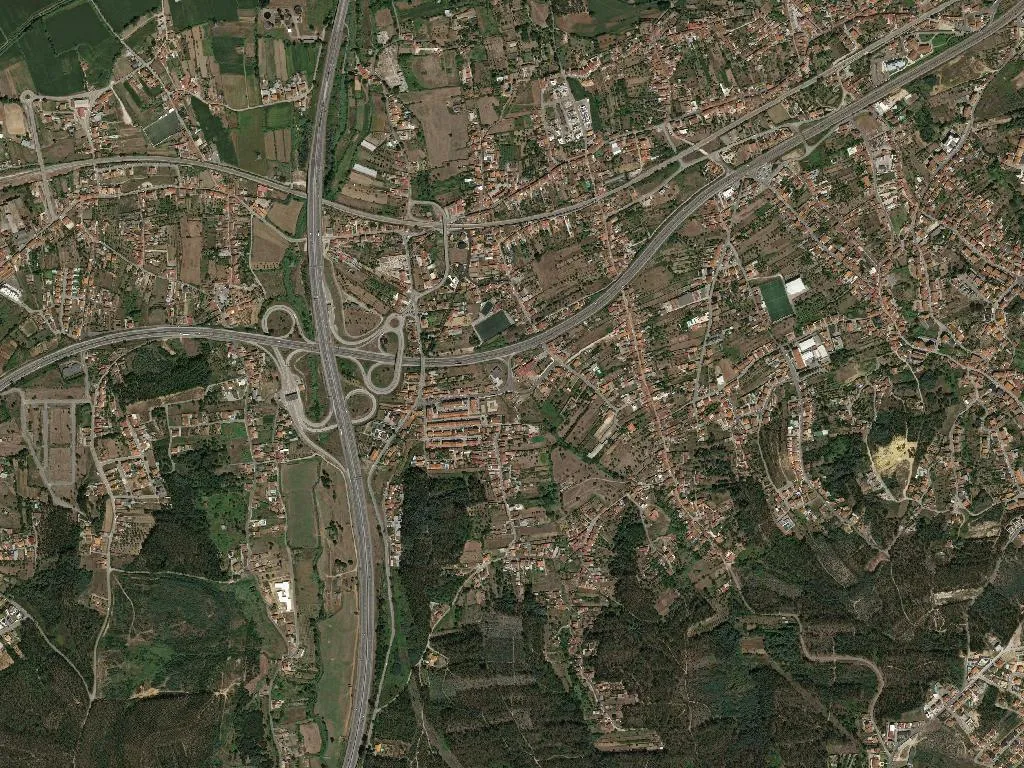
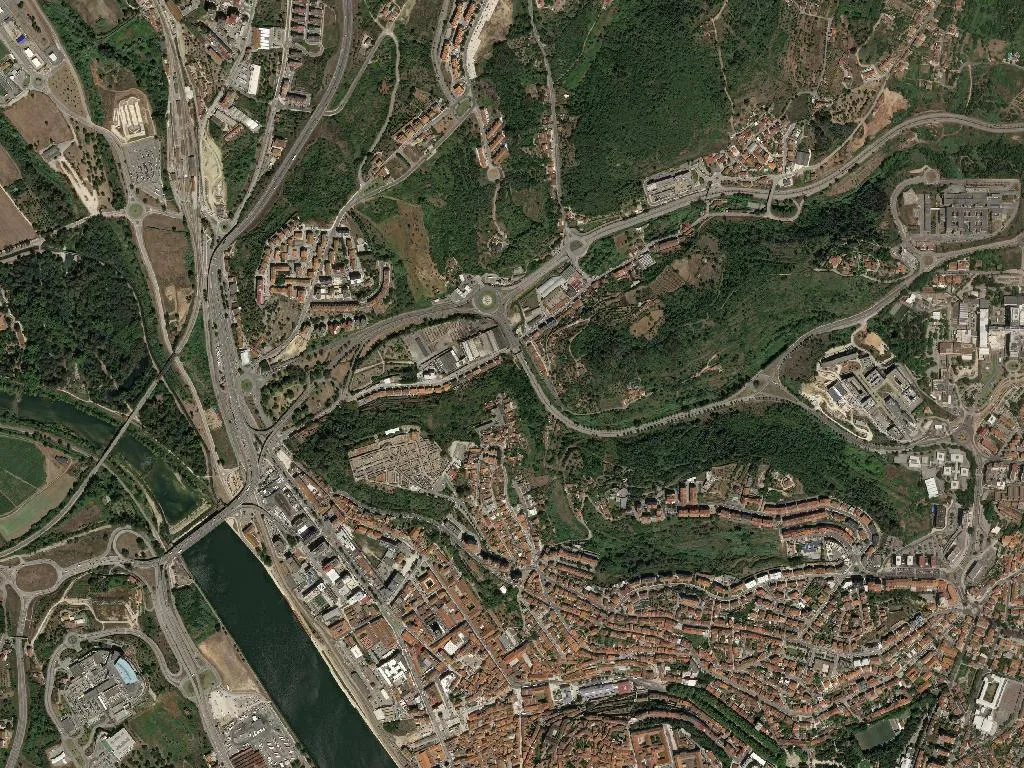
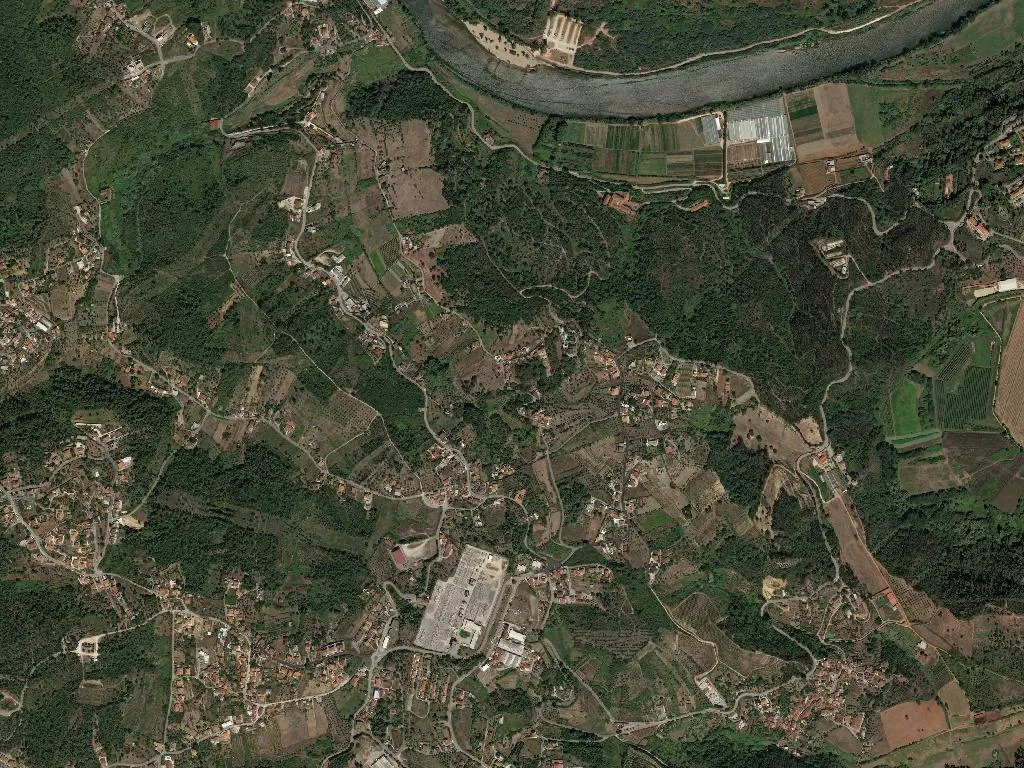
The water arrives before anything else: a low, constant hush over schist, between reeds and willows still heavy with dawn. The Ribeira de Eiras slides east–west, slicing the parish lengthways like a seam stitched in the 12th century and never unpicked. On either bank the air smells of wet alder and cold moss – the sort of chill that seeps in gradually, almost photosynthetic. Less than five kilometres away, Coimbra’s UNESCO-listed tower rises above the Mondego, yet here the loudest sound is a dipper slipping under the surface. This is the merged parish of Eiras and São Paulo de Frades: 2,400 hectares, 17,500 souls, averaging 85 m above sea-level and growing denser every year as students and retirees nudge out the last smallholders.
Threshing Floors, Roman Pavements and Portugal’s First King
“Eiras” means the packed-earth circles where August wheat was threshed; the name survives even after the combines moved in. Beneath the topsoil, engineers widening the IC2 still hit stretches of a VII- or VIII-century Roman road that once carried suevos and merchandise from Conímbriga to the shrine of St James. The alignment is identical to today’s Central Portuguese Camino, the Torres variant and the Fatima detour – three overlapping pilgrim itineraries that skirt or bisect the parish. Afonso Henriques granted the first royal charter here in the 1130s, shortly after the Augustinian canons of Santa Cruz endowed the settlement with a farmstead. Two centuries later Dinis swapped the entire place for a third of Aveiro’s salt-tax receipts – proof that the ground was already worth more than grain.
Whitewash, Schist and the Social-Housing Plateau
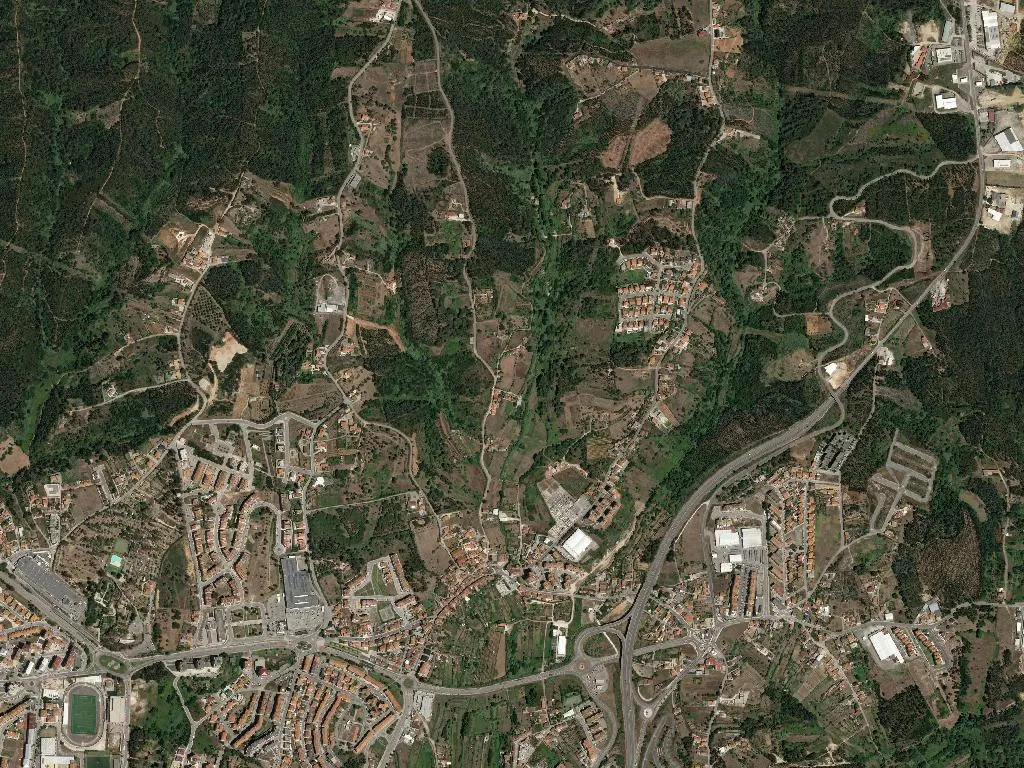
The parish church of S. Tiago and its twin at São Paulo de Frades anchor the two medieval nuclei, yet it is the tiny chapel of Santa Apolónia, tucked among 1950s semi-detacheds, that orients anyone walking the older lanes. One public-listed monument, a handful of schist cottages and sudden ravines survive inside the municipal social-housing estate that spreads across the Ingote plateau. Roughly 60 % of Coimbra’s affordable homes are clustered here, giving the parish an age profile split between 2,200 secondary-school pupils and 3,900 over-75s who still recall when this was all vineyards.
Strawberry Trees, Herons and the Silence of the Reedbed
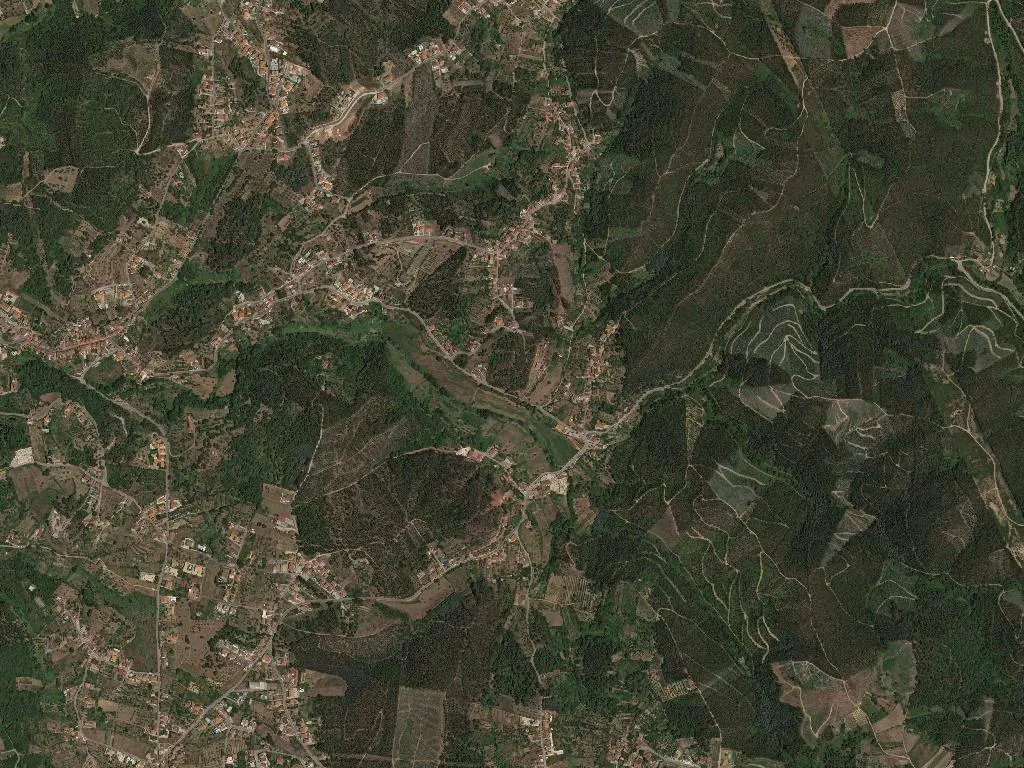
South of the IC2, the Mata do Escravote is a sun-baked ridge of Mediterranean scrub: strawberry trees with peeling vermilion bark, kermes oaks, gum cistus that scents the air like heated pine. Five kilometres north, the landscape flips. The Paul de Arzila reserve – a Ramsar wetland since 2005 – lies below sea-level in winter. Spoonbills, glossy ibis and purple herons negotiate reeds that echo with Cetti’s warblers. A way-marked riverside path follows the Ribeira de Eiras down through allotments, past back-gate espaliers of loquat and orange, until the water fans into the marsh. Above São Paulo de Frades, the hills of Aveleira and Espinhaço do Cão offer bridleways where Bell’s sheep still graze; from the top you can sight the university tower framed by the Mondego’s floodplain.
Bairrada in the Glass, Lousã in the Pot
The parish sits just inside the Bairrada DOC, so neighbourhood restaurants pour yeasty espumante made down the road in Luso and dense baga reds that stain the glass almost black. Kitchens behave like inland Beiras: kid goat punched with garlic and bay, then roasted over vine prunings; chanfana (beef or goat braised in an overnight bath of red wine and juniper); foggy-morning stews thickened with rye bread. Starters arrive as DOP Serra da Estrela cheese, still runny at the centre, and honey from Lousã’s heather slopes. For pudding, a warm Tentúgal pastel de nata – the pastry so thin you could read a bus timetable through it – ends the meal with conventual sweetness.
Cycle Track, Corner Bar and the Daily Liturgy
A 3.5-kilometre cycleway shadows the river into Coimbra’s centre; ride it at eight o’clock and you see the week’s social map unfold – students on Decathlons, care-workers on e-bikes, grandfathers walking dogs the size of loafers. The outdoor pool complex, Piscinas Rui Abreu, doubles as evening paseo. Commerce is low-key: a Friday pop-up vegetable market under the plane trees, a summer book fair in the old primary-school yard. Patron-saint feasts retain their liturgical cadence – solemn mass, procession with brass band, grilled-sardine smoke drifting past the chapel door. Sit in Café O Pingo at 7 a.m. and you learn the parish bulletin: builders stirring um café com leite, retired agronomists arguing about Braga’s defence, the baker delivering warm pão de milho before anyone has scrolled a phone.
At dusk, when western light ignites the paul’s reed tops and the Ribeira de Eiras becomes a silver filament between alders, you realise what stitches these two former parishes together. Not the 2013 administrative merger, nor the road signs, but the unhurried conversation of water and stone – the same conversation Roman wayfarers overheard while heading for the Pyrenees, and the one that continues, indifferent to charters, kings and municipal maps.