Full article about Santo António dos Olivais: olives older than traffic lights
800-year-old trees shade chanfana pots and 18th-century gilded carving in Coimbra’s urban grove
Hide article Read full article
Santo António dos Olivais: where the olives outlast the traffic lights
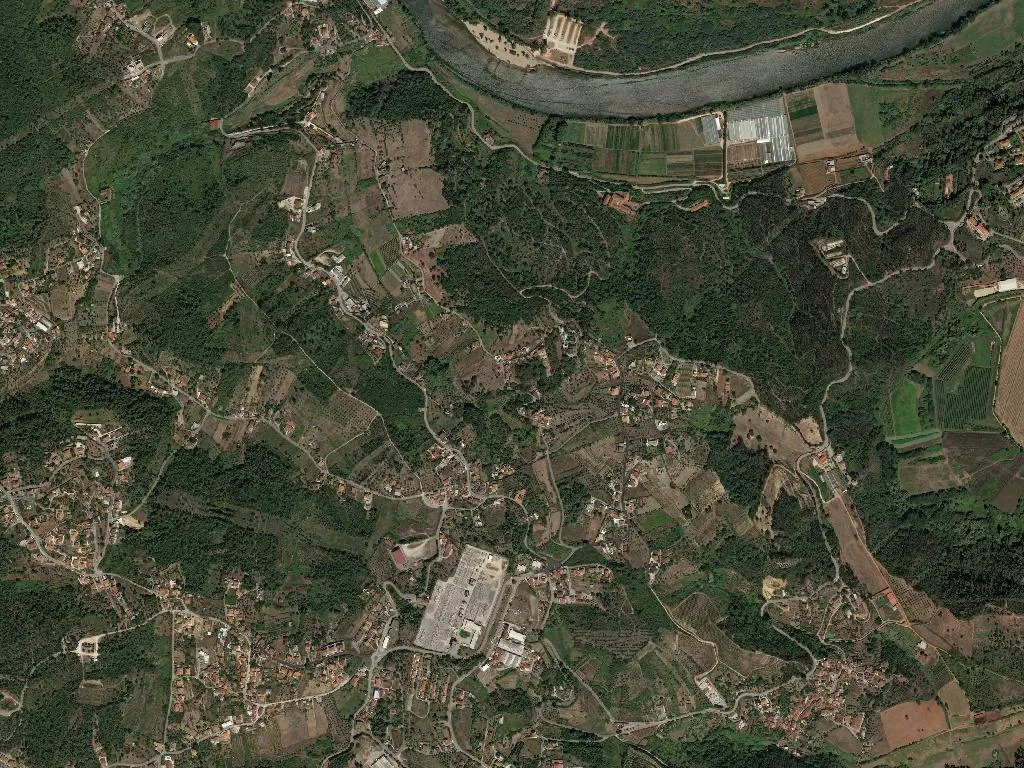
The bell in the tower of São Francisco has struck every half-hour since 1723, a sound that seems to seep through the stone itself. Between the apartment blocks and zebra crossings of Coimbra’s largest parish, 800-year-old olive trees still insist on their right-of-way. Some have trunks wider than a café table; their bark keeps the afternoon heat like a storage heater. Locals greet them on the dawn bread-run the way they nod at the baker – familiar, immutable, part of the furniture long before the ring-road was imagined.
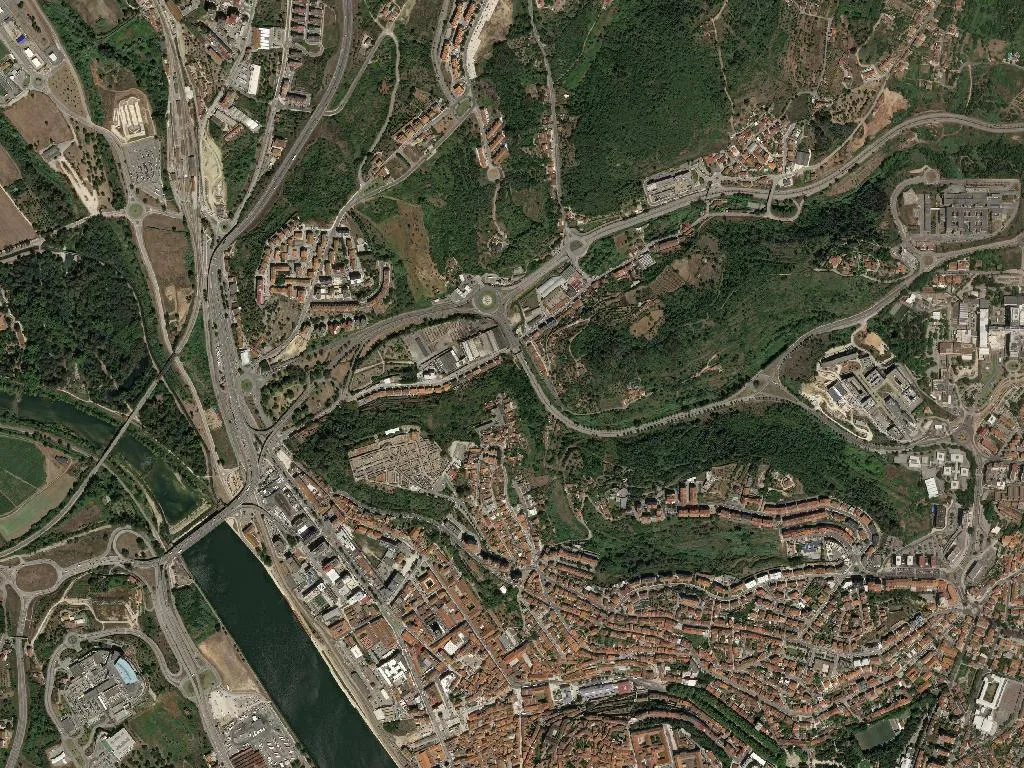
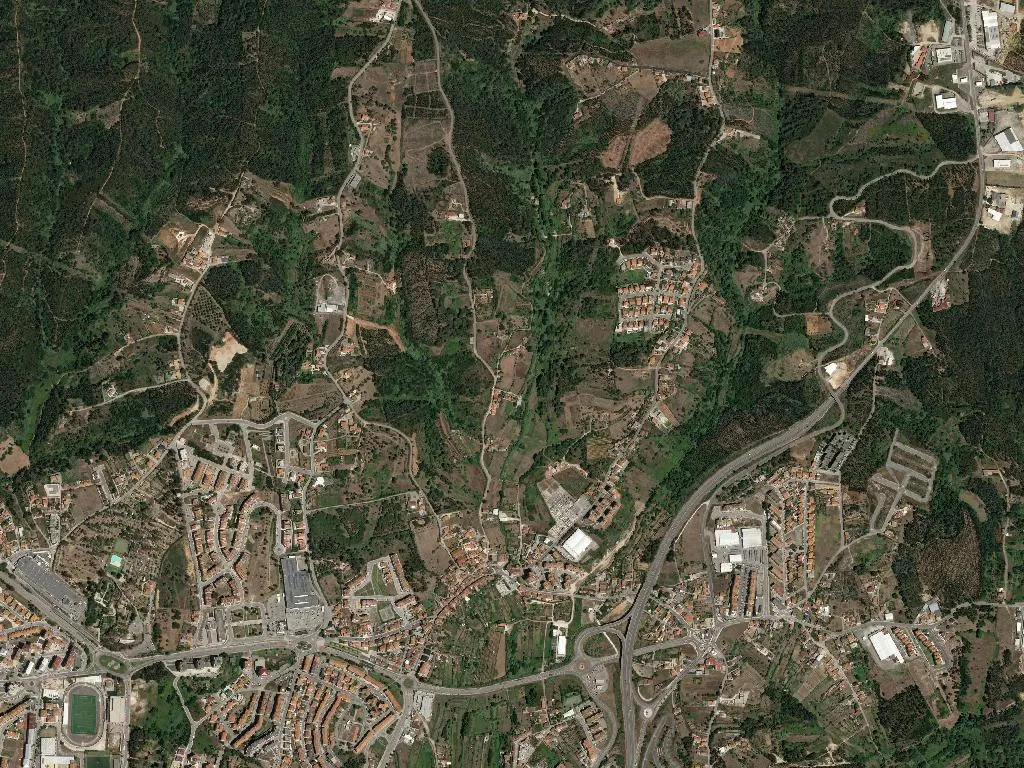
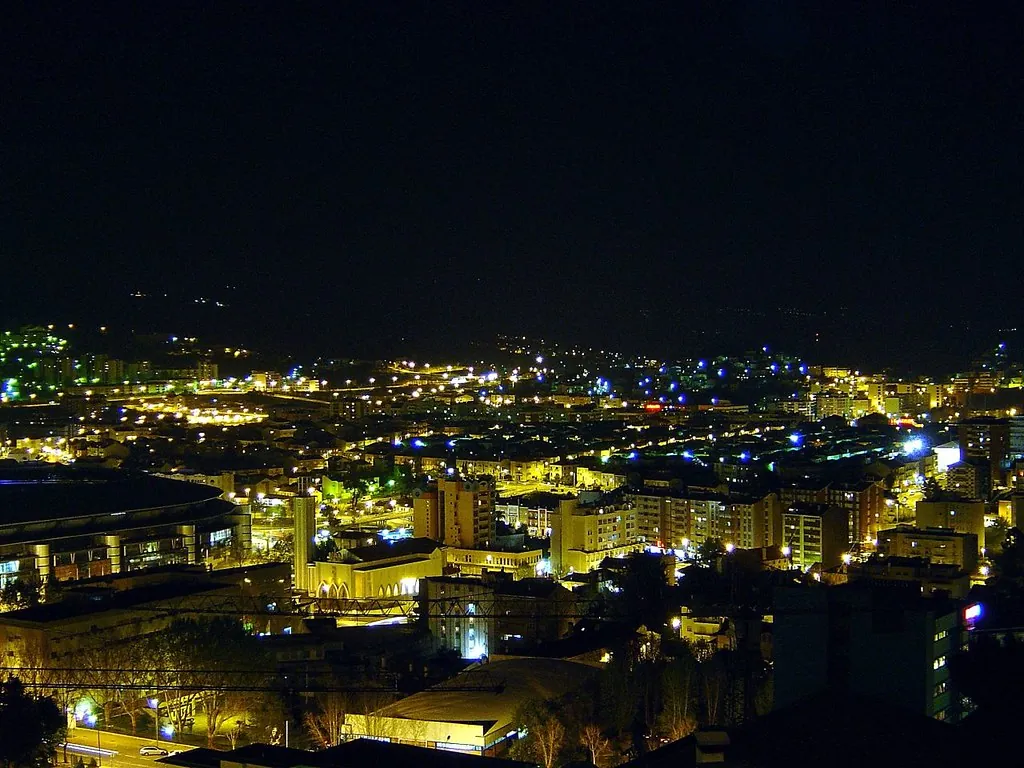
With 41,000 residents squeezed into 20 km², parking at 08:00 is a contact sport, yet the olive grove survives as the country’s only urban orchard. Walk Rua Fernando Namora at dusk and you smell chanfana – kid stewed in red wine inside black clay pots – escaping from doorways where the lids lift just enough to taunt passing vegetarians.
Stone, carving and the glaze of centuries
The parish takes its name from a 13th-century chapel dedicated to St Anthony, upgraded to parish status in the 16th century when the university spilled downhill and students needed somewhere to repent after lectures and taverns. Layers of architecture followed. The parish church wears 18th-century gilded carving so delicate it looks spun rather than chiselled; the azulejos flash blue like screens showing loops of another century. Across the square, the former Franciscan convent – now part of the university – hides a two-storey cloister where Manueline arches flirt with baroque volutes. Climb to the roof and you see the city’s whole argument: the 12th-century cathedral, the 18th-century library, the 21st-century cranes still undecided.
Kid in clay, coffee in a sock
Chanfana is non-negotiable: bony kid, plenty of bay leaf, a bottle of Bairrada tinto and four hours in the oven until the sauce is darker than a Coimbra fado. It arrives at table in the same pot it was cooked in, accompanied by boiled potatoes and a glass of red – or white if the weather is feeling forgiving. Avoiding meat? Try Pastéis de Santa Clara, flaky crescents of almond and egg yolk that weigh on the stomach like gold ingots, or Toucinho-do-Céu – “bacon from heaven” – which contains no bacon at all, just more yolks set into a slab of marzipan.
Order coffee in one of the surviving old cafés and you may get it “de saco”: grounds tied in a linen bag, hot water poured over, the resulting brew gentle enough to keep your head on straight while you finish the crossword.
From Napoleonic trenches to Mondego cycle paths
On Monte da Serra the earth still shows the zig-zag scar of 1810 trenches dug to stop Masséna’s troops crossing the Mondego. Today the ridge is a weekend kite-field where pine needles cushion the fall of children and the river below meanders like it has all afternoon. The Ecopista do Mondego unrolls 12 flat kilometres east to Torres do Mondego, ideal for anyone who prefers their cycling without lycra heroics. Beside it, the Paul de Arzila wetland keeps short boardwalks and hides where herons argue over tenancy rights. Three separate Caminho de Santiago routes cut through here; yellow arrows painted on walls point the way but give no warning about the gradient.
The pilgrimage that starts after supper
On 13 June the parish honours its patron with procession, brass band and sardines that hiss over charcoal in the street. October brings the Feira de São Martinho, where stalls sell monastic sweets and last year’s wine is declared “new” amid shouted reunions. But the Romaria da Senhora da Saúde is the one that leaves blisters: up through oak scrub at sunset, candles in jam jars marking the path, promises muttered under breath. You descend in full darkness, feet tender, soul mysteriously lighter, as if the climb were the price of absolution.
On the way home you pass that same olive tree wedged between two 1970s apartment blocks. The convent bell counts midnight, indifferent as a librarian who has read half the books and remembers even fewer. Tomorrow the bakery opens at seven, and the trees will still be there, holding the pavement apart.