Full article about Espariz-Sinde: frost, woodsmoke & Dão wine at dawn
Share lamb-scented air, Serra cheese and touriga reds in Tábua’s quiet 36-person-km² parish
Hide article Read full article
Morning at 290 metres
Schist walls that once penned sheep now enclose vines, and the first sun turns last night’s frost into a film of steam. From the terraces of Espariz you look south-east across the Dão’s pre-coastal ridge; wood-smoke drifts uphill from Sinde, half a kilometre away, carrying the scent of oak bark and the previous evening’s sausages. A single dog barks, a man drags a crate of pruning shears across packed earth, and the silence re-assembles itself.
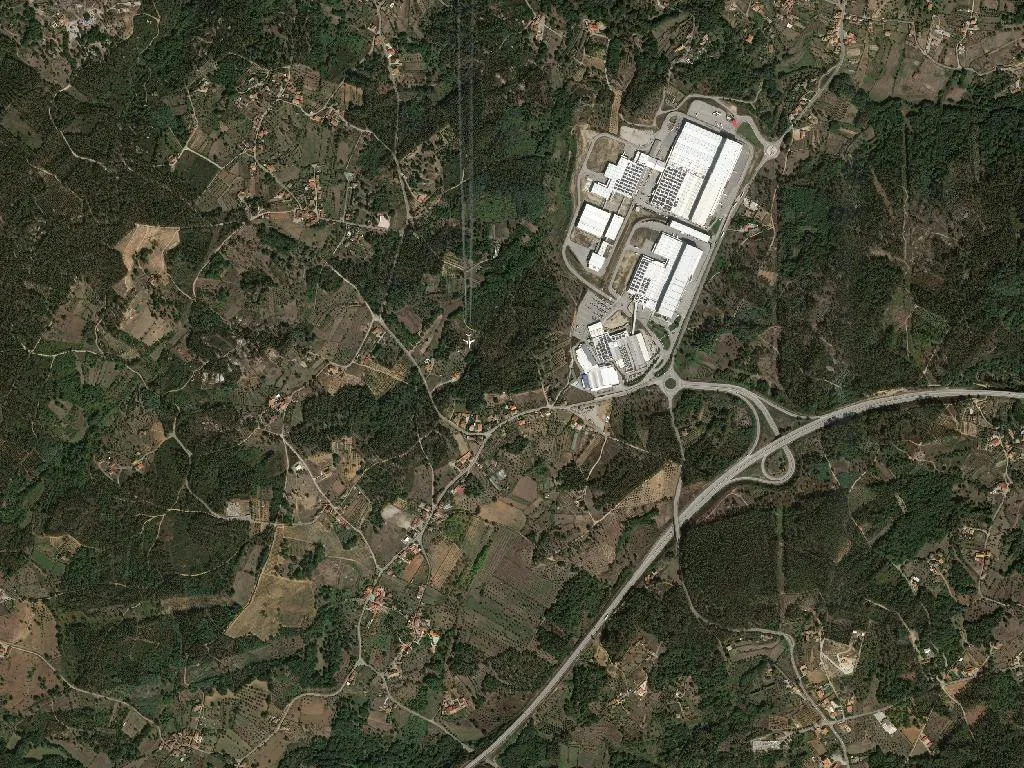
Espariz and Sinde were merged by a 2013 administrative tweak meant to keep rural councils solvent. The new parish council sits in Espariz’s former primary school; inside, a wall map shows 859 residents scattered across 23 km² of vineyards, olive groves and meadows. Demography is blunt: 285 residents are over 65, only 87 are under 14. Density is 36 people per km² – roughly one neighbour every three football pitches – so farmhouses stand in their own acoustic bubbles, gates stay open and conversation is carried out in quarter-hour intervals.
The kitchen keeps the archive
What the place lacks in head-count it returns in larder depth. Breakfast might be a shard of Serra da Estrela DOP – the buttery, slightly thistle-bitter sheep’s-milk cheese – followed by requeijão, the cloud-light curd that tastes like cultured double cream. At lunch the oven releases lamb raised on the broom-covered slopes; the meat is simply seasoned with rosemary, garlic and the faint resin of last year’s grape prunings. Apples from the Beira Alta IGP orchards are simmered into a thick, tawny compote that holds the flavour of October inside screw-top jars. Every glass is local: Dão reds built on touriga nacional that smell of rockrose and pepper, whites that carry the snap of green mandarin.
The Portuguese government’s “Village DNA” survey scores Espariz-Sinde 65/100 for gastronomy – the same bracket as coastal fishing ports three times its size – and 40/100 for “conviviality”, a metric that counts how often people still eat at one another’s tables. Here, lunch starts when the bread arrives and finishes when the cheese has gone.
Undramatic landscape
There are no summits, viewpoints or Unesco plaques – just 2,352 ha of rolling farmland stitched together by dry-stone walls. Terraces face south at 250–350 m, warm enough for ripe tannin, high enough to keep acidity crisp. Oaks and chestnuts occupy the folds; vines occupy the brows. In July the leaves are so dark they look almost black against the ferric-red soil; in January the wood is grey graphite scratched onto wet paper.
Crowds register 20/100 on the congestion index. Seven guest beds – three in a converted hayloft, four in a century-old manor – are booked by returning emigrants and the occasional wine-trade refugee from Burgundy. There is no pilgrimage route, no branded trail, no gift shop. Distances are measured in pruning rows.
What remains
At 17:30 the sun lies sideways, illuminating the lime-wash on Espariz’s last-standing barn. Wood-smoke rises straight up, a woman snaps tea-towels on a line, a farmer unloads eucalyptus logs still silver with lichen. The air is equal parts cured sausage and stored apple. Nothing grand happens here; the day simply refuses to leave.