Full article about São João da Boa Vista: silence at 342 m
Granite hamlet above Tábua where Dão vines meet Serra cheese and only 393 neighbours
Hide article Read full article
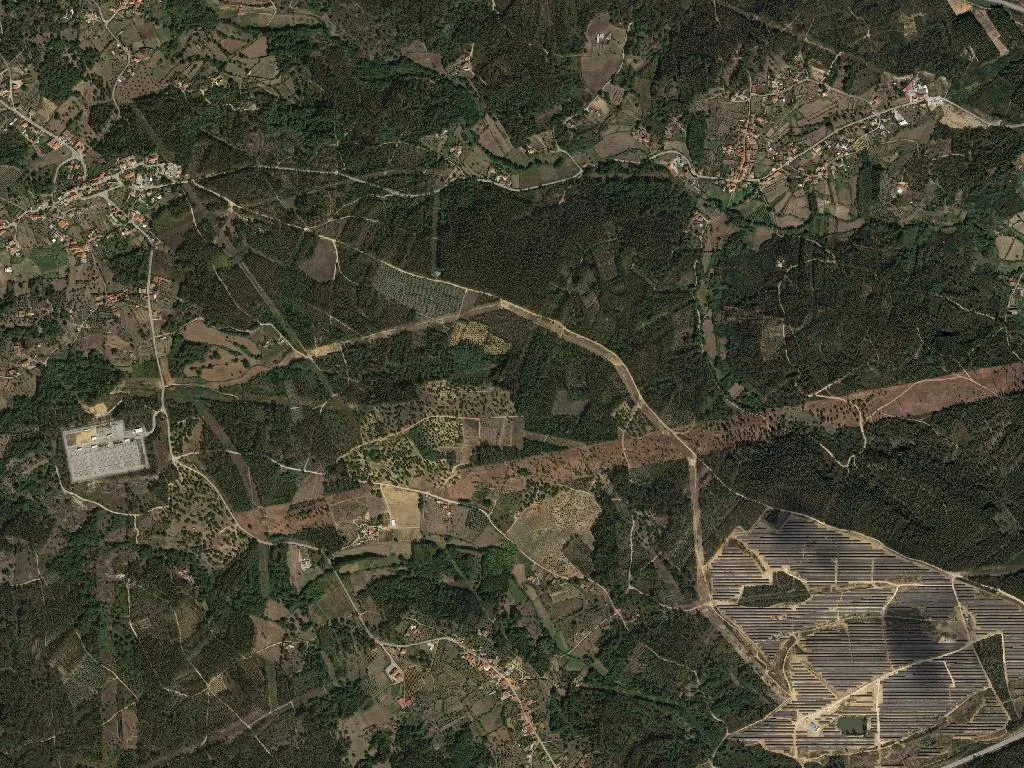
The granite walls hoard last night’s chill even when noon sun warms the slope. At 342 m above sea level, São João da Boa Vista unrolls across almost a thousand hectares where Beira Interior begins to smell of upland thyme and rock-rose. Only 393 people remain—fewer than forty per square kilometre—and the hush that settles between voices has the weight of places where everyone still knows whose son you are.
Winter’s ledger
Demography tells the story the census glosses over: 110 residents over 65, 48 under 18. On school-day mornings the bus that climbs from Tábua announces itself in second gear; every child aboard equals a household that refuses to throw in the towel. The old men read the sky before rain, trace in their heads the map of when these terraces swarmed with pickers at harvest time, and remember the year the river froze hard enough to skate.
Grapes and mountain cheese
The parish sits inside the Dão wine zone; vines climb schist-and-granite terraces that cool to 12 °C after dusk even in July. At the co-op in Tábua, Touriga Nacional and Encruzado become muscular reds and flinty whites whose labels carry one of Portugal’s oldest DO seals.
Yet it is proximity to the Serra da Estrela that stamps the table. Serra da Estrela DOP cheese—raw Bordaleira ewe’s milk coaxed into a velvet cylinder—appears at three stages of ripeness, from spoonable centre to peppery rind. Requeijão, its whey-soft cousin, is spread on bread that’s still singing from the oven. Mountain lamb, raised above 700 m on broom and heather, roasts pink and fragrant with rosemary, while Beira Alta PGI apples—Bravo de Esmolfe, Porta da Loja—snap cleanly between the teeth. All of it can be sourced in the village grocery or in Tábua’s Friday market, ten minutes downhill.
A different clock
Accommodation is limited: one meticulously restored granite house with two guest rooms, and a modern villa whose pool faces west across the Dão valley. There are no crowds, no selfie queues—merely the chance to wake with the cockerels and watch the light slide from apricot to pewter across the ridges. Logistics extend to keeping the tank full; the nearest espresso is 5 km away in Midões, and in August you will still park outside the church without circling.
Evening plans hinge on whether Zé has driven to Coimbra to babysit his granddaughter. If the café is dark, someone will open a kitchen door when the village dog barks—a muffled woof, a rectangle of lamplight, the surest proof that stubborn, dignified life persists where the map can barely fit the name.