Full article about Maceira: orchards, earth-scent and pears with postcodes
In Leiria’s quiet parish, morning air tastes of turned soil and IGP apples
Hide article Read full article
Maceira: The scent of soil before you see the trees
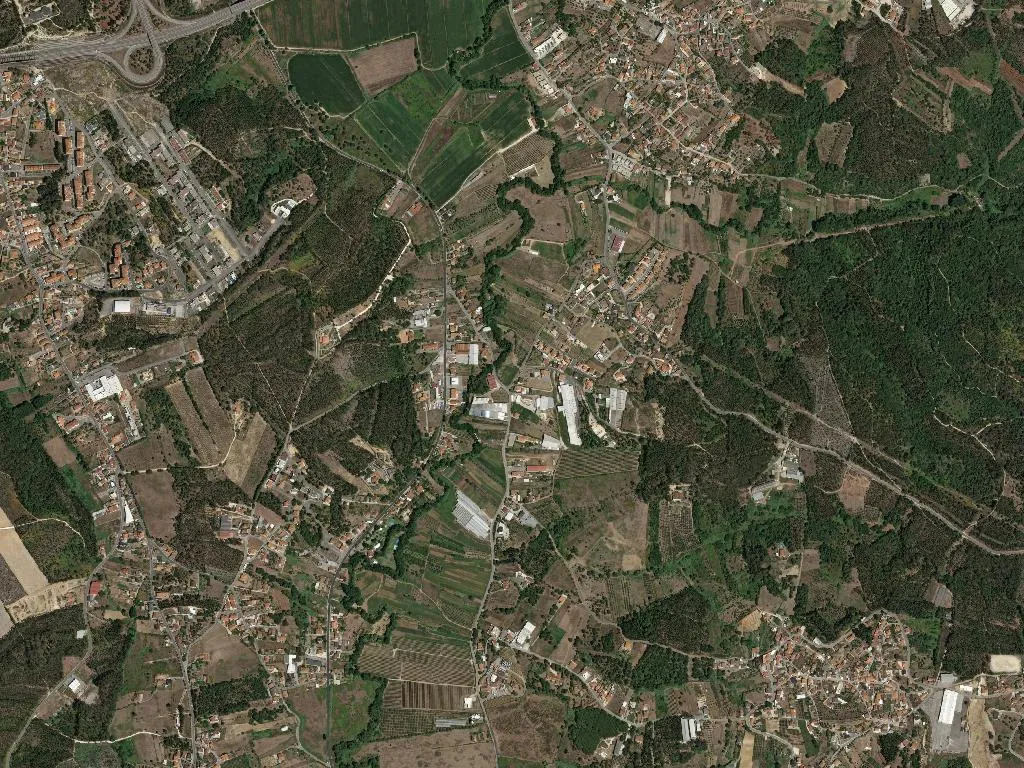
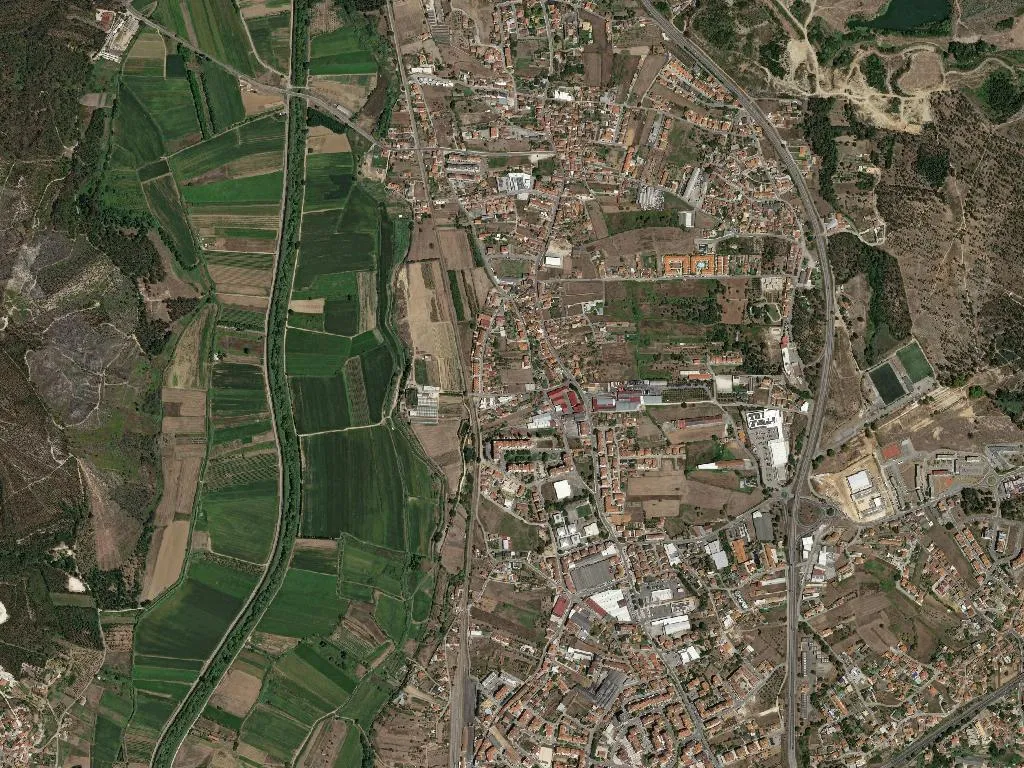
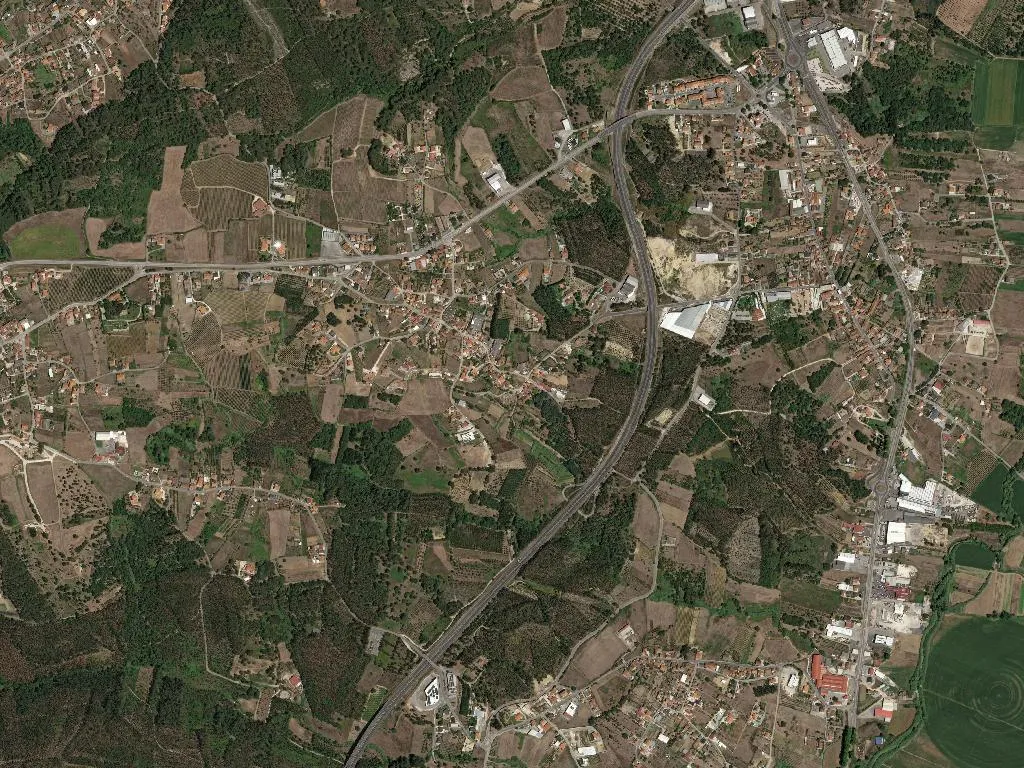
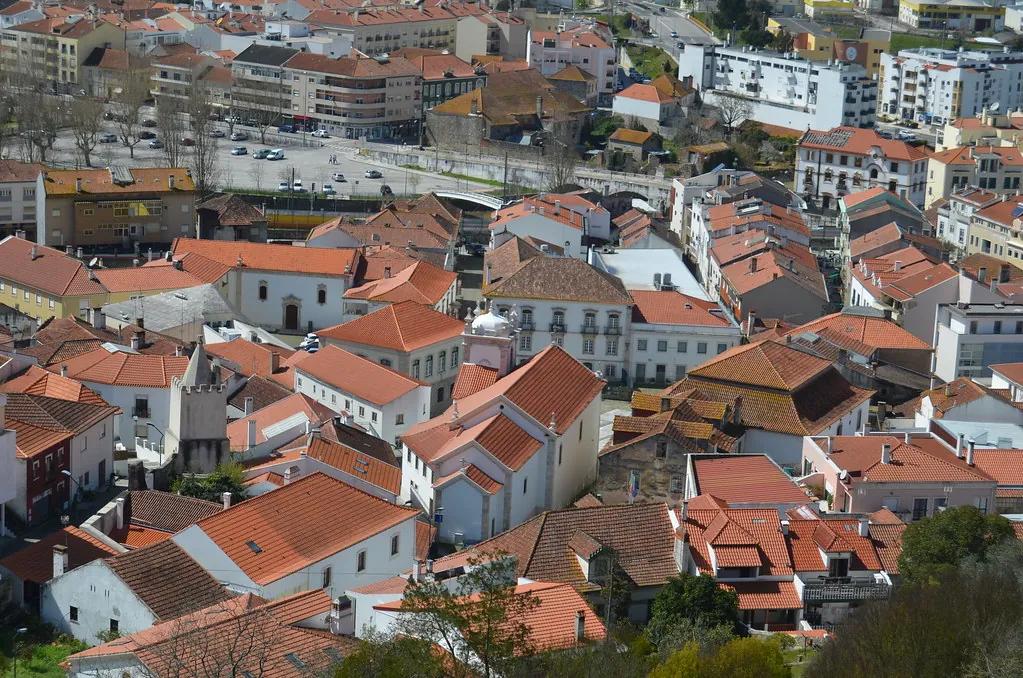
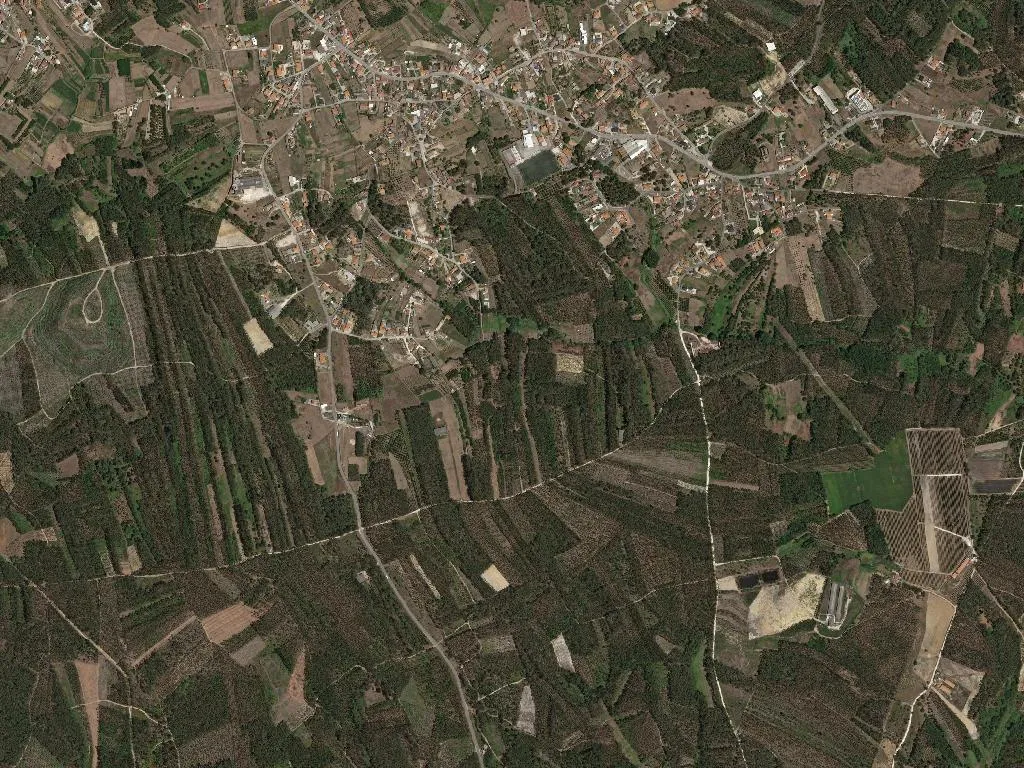
The smell arrives first. Damp, loamy, almost mulchy—turned earth carries on the morning air long before the orchards appear. Only then do you notice the roll of land, a gentle lift from 100 m to just over 200 m, and the scatter of limestone houses with their butter-coloured render and iron balconies where tea-towels stiffen in the Atlantic breeze. At 152 m above sea level Maceira is neither mountain nor plain; it is the hinge zone where coastal humidity meets the dry updraft of the Lis valley, 12 km east.
Nine thousand neighbours, one listed building
Spread across 47 km², 9,141 people call the parish home—194 souls per km², but the maths feels wrong until you clock the hamlets strung along farm tracks. The 2021 census shows 2,338 residents over 65 and only 1,041 under 14, a ratio that turns dawn errands into a slow-motion ballet of retirees tending kale beds while school minibuses rattle half-empty.
Formal heritage is scarce: a single “Property of Public Interest” plaque on an 18th-century chapel. Everything else—dry-stone walls that divide citrus plots, the communal wash-tank fed by a stone spout, the low granite pens where sheep wait for the vet—belongs to the everyday catalogue. Culture here is measured in metres of wall rebuilt each winter, not ticketed attractions.
Apples, pears and honey with postcodes
Three protected products root Maceira in Portugal’s gastronomic atlas. IGP Alcobaça apples thrive in the same cool nights that ripen the fruit just over the council border; the parish sits inside the micro-climate bubble that locks in acidity and scarlet skin. West of the national road the soil changes—sandy, slightly acid—and meets the strict demarcation line for DOP Pêra Rocha do Oeste, the grainy, perfumed pear that appears on Lisbon menus from October to January. Beekeepers work the margins: heather, rosemary and the inevitable eucalypt give DOP Serra da Lousã honey a resinous edge, even though the titular mountains lie an hour east.
None of this is restaurant theatre. On the N8-7 you brake for a trestle table stacked with plastic punnets and an honesty box made from a cut-down 5-litre water bottle. A tractor parked outside Minipreço becomes an informal stall: pears sold by the kilo from the trailer, coins left under a flowerpot because everyone knows whose fruit it is.
Two Caminos, one coffee machine
The Coastal and the Torres variants of the Camino de Santiago intersect here, funnelling a trickle of foreign rucksacks north each spring. Infrastructure is proportionate: four licensed lodgings—two spare rooms, one self-contained flat, a whitewashed cottage—offer washing lines and directions to the next bar, 6 km away. Walking out at dawn you swap irrigation sprinklers for pine shadows, the path rising just enough to frame the Atlantic one way and the castle of Leiria the other. The logistics are gentle; the feeling is of slipping down a side corridor while the rest of the country sticks to the motorway.
How to do nothing
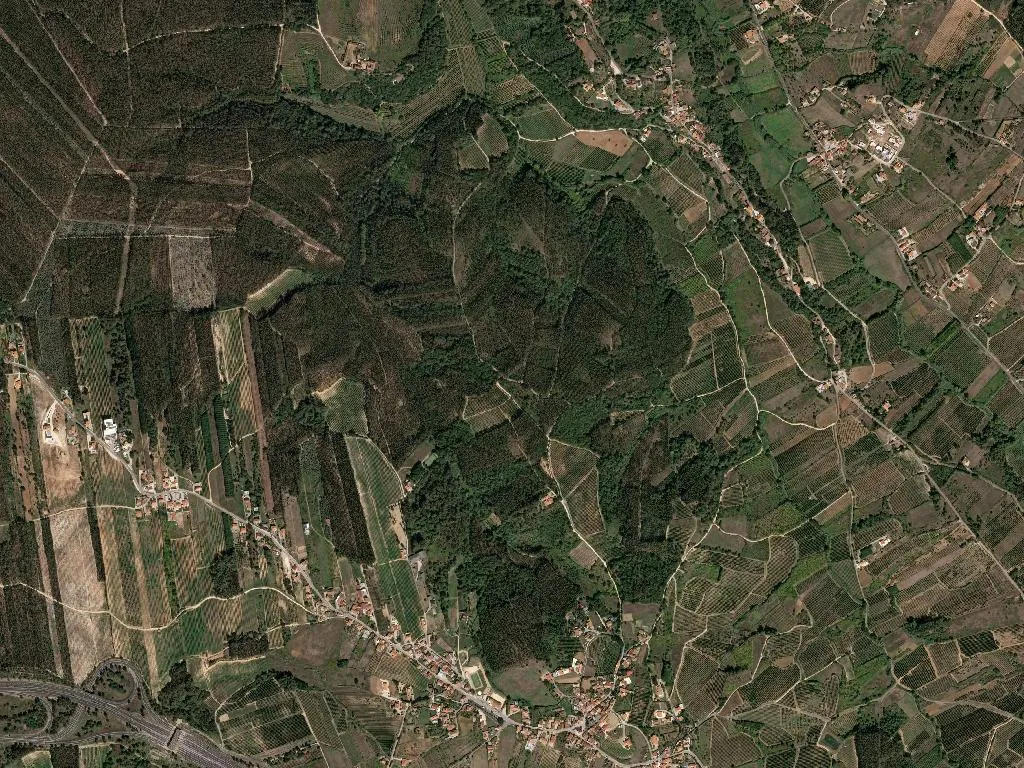
Maceira does not reward an itinerary. There is no miradouro platform, no artisanal gelato, no souvenir shop selling cork key-rings. There is Café Central, where Zé pulls 60-cent espresso with yesterday’s Diário de Notícias still wedged under the sugar bowl. There is the bench outside the parish church, warm tile against your thighs while you wait for nothing in particular. There is the moment you pull over to answer a call, glance up and realise the valley of orchards below the national road ripples like a green tapestry stitched with silver irrigation tape.
What you remember later is not a meal or a monument but weight: a ripe Pêra Rocha filling your palm, its freckled skin catching the light, juice running to your wrist when you bite. Somewhere behind the hiss of the A8—distant surf of tarmac—you catch the hush of irrigation water in a side channel, audible only when you stop trying to hear it.