Full article about Marvila
Where derelict chimneys scent the air with malt and winter flamingos tint the Tagus pink
Hide article Read full article
The train eases between Xabregas and Braço de Prata. Outside, Tagus light flashes on long brick chimneys that no longer smoke. They belonged to glass and porcelain works that once supplied Lisbon’s cafés and Brazil’s plantation tables; today the sheds host recording studios, co-working lofts and the city’s most obsessive brewers. Malt drifts through the carriage—Dois Corvos or Musa—fermenting in the very bays where clay used to be fired. Welcome to Marvila: river on the left, iron on the right, beer in the middle.
Palaces, farms and the hush of idle machines
Palácio da Mitra is quietly dissolving behind corrugated hoardings; Quinta dos Alfinetes is padlocked, its new railings already rusting. Palácio do Grulo has become a private-events venue—arrive at dusk and you’ll see only chauffeured Teslas and a pair of security men comparing ear-pieces.
Industry arrived in the 1850s. The Sacavém tableware factory shipped azulejo-tiled tureens to Rio; the site is now a breaker’s yard where you can still buy a single cracked plate. The Marinha Grande glassworks employed 800; today its floor is a lorry park. Some workers never left—tin-roof streets behind the plants still house their grandchildren. Marvila was the first parish in Portugal to have gas lighting in 1848—the factories paid the bill.
River views and winter flamingos
The Tagus is always close, but you can actually see it from only three spots: the riverside cycle path that stops abruptly at Passeio de Neptuno; the dead-end Cais do Açúcareiro, where sugar once arrived from Madeira; and, if you bluff your way past the doorman, the belvedere of Palácio do Grilo. Everything else is wall or warehouse.
Between October and March the estuary’s saltmarsh turns pink—flamingos feed in the Reserva Natural. Bring binoculars; the birds feed 200 m out. The Marvila stream still slips under the IC2, audible only after cloud-burst rain.
Catfish stew, craft pints and a pilgrim shortcut
Eat here, spend almost nothing:
- O Apeadeiro – Friday catfish stew, €12, served inside a decommissioned railway carriage.
- Tasco do Lambão – fried eels in sharp escabeche; when the tray empties, that’s lunch over.
- A Merendeira – asparagus-crumb mash with a runny-yolk egg. Opens 12:00-15:30, shuts promptly.
Breweries (all after 17:00):
- Dois Corvos – Wednesday tours, €10, includes three half-pints.
- Musa – tap-roof bar framing the Vasco da Gama bridge; closed Monday.
- Lince – 5 € double-IPA mugs; weekend food-truck does Korean tacos.
Yellow arrows of the Caminho Português da Costa start by the fire station, follow Rua Direita past the cemetery, then slip out toward Beirolas. 3.5 km to the bank; no albergue, so pilgrims bed down in Parque das Nações hostels.
Tiles, trinkets and what the 1755 quake forgot
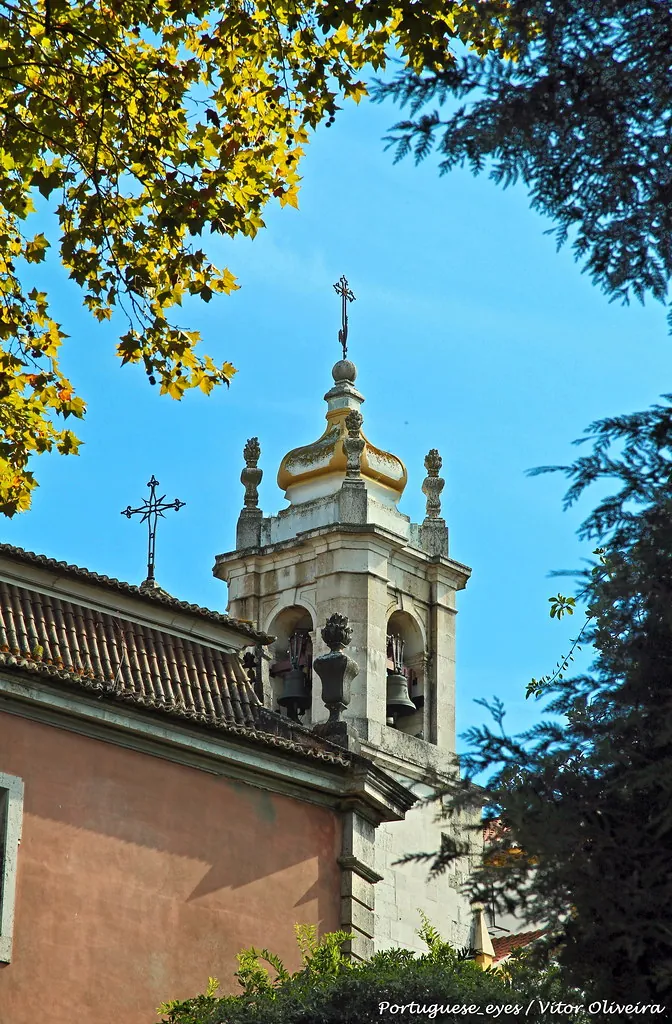
Igreja de Marvila opens at 09:00 and 17:00. Inside, 1730 blue-and-white tiles narrate the Passion; three are missing—look for the blank apostles. No staff; feed a €1 coin to light the nave. The parish fair on 8 December begins with an 11 o’clock mass, ends with chestnuts sold from newspaper cones.
Antiques cluster between numbers 30 and 70 on Rua de Marvila Saturday mornings. Expect to pay half the Príncipe Real price and haggle in Portuguese numbers.
Last orders on dock seven
Ferro 7 occupies the old warehouse nº 7. Sagres on tap €1.50, doors officially close at 22:00, but if the caretaker takes to you the lights stay on. Through the window: sand barges parking for the night and, beyond them, the metallic yawn of the lifting road bridge. Iron against iron—proof that Lisbon is still working while the rest of the city sleeps.