




Day trips from Évora
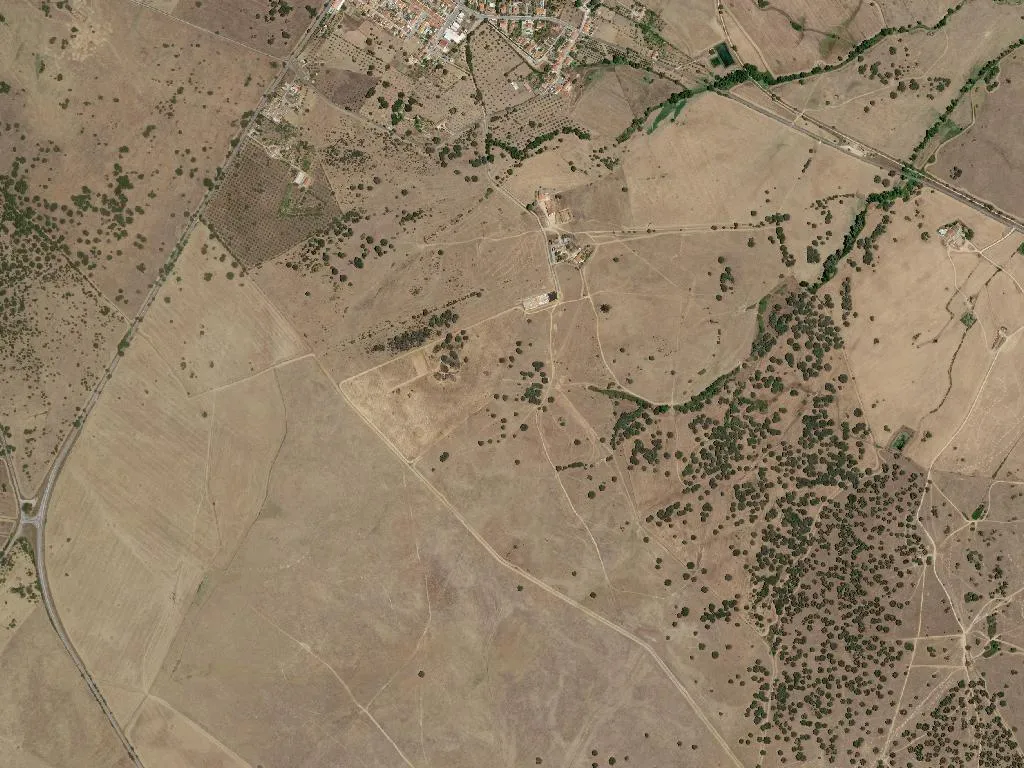
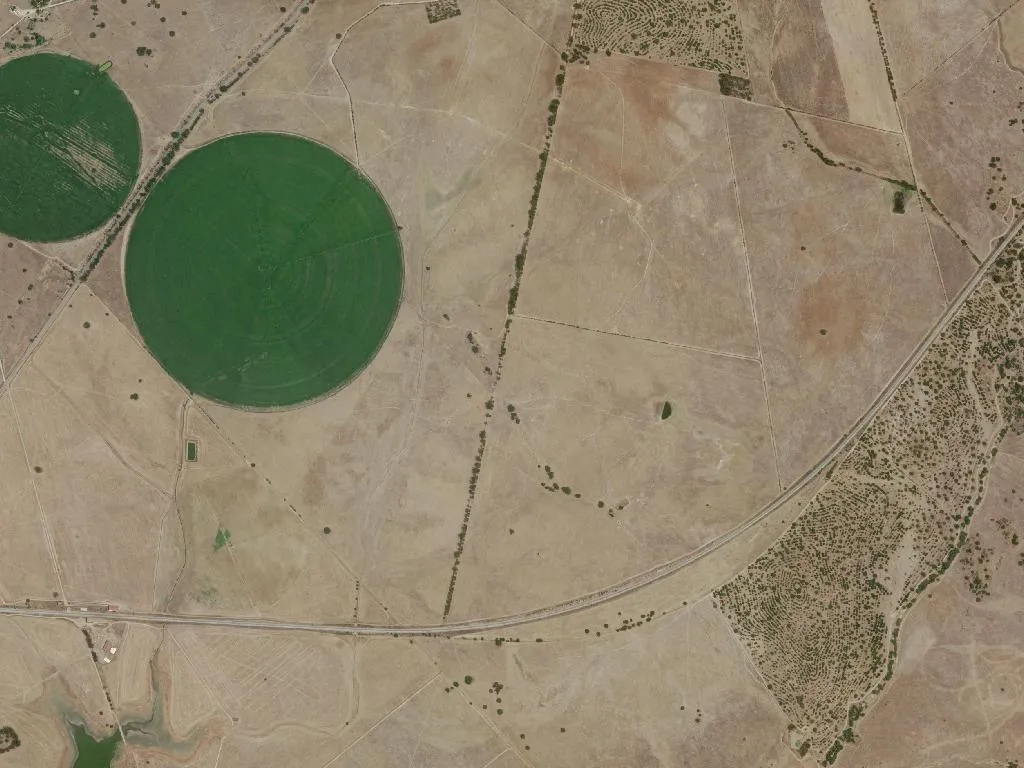
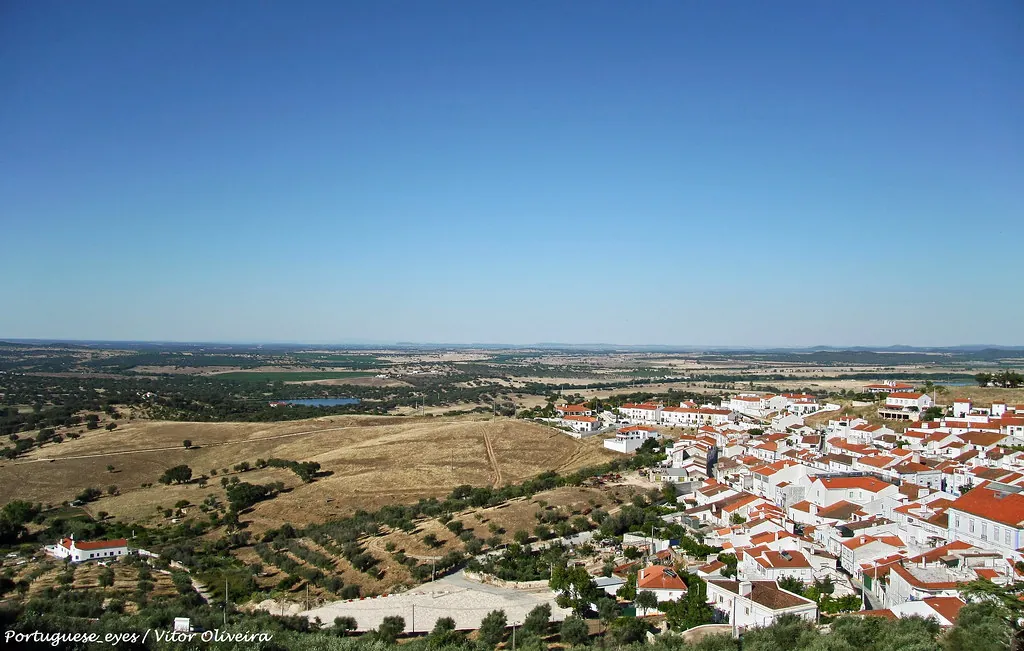
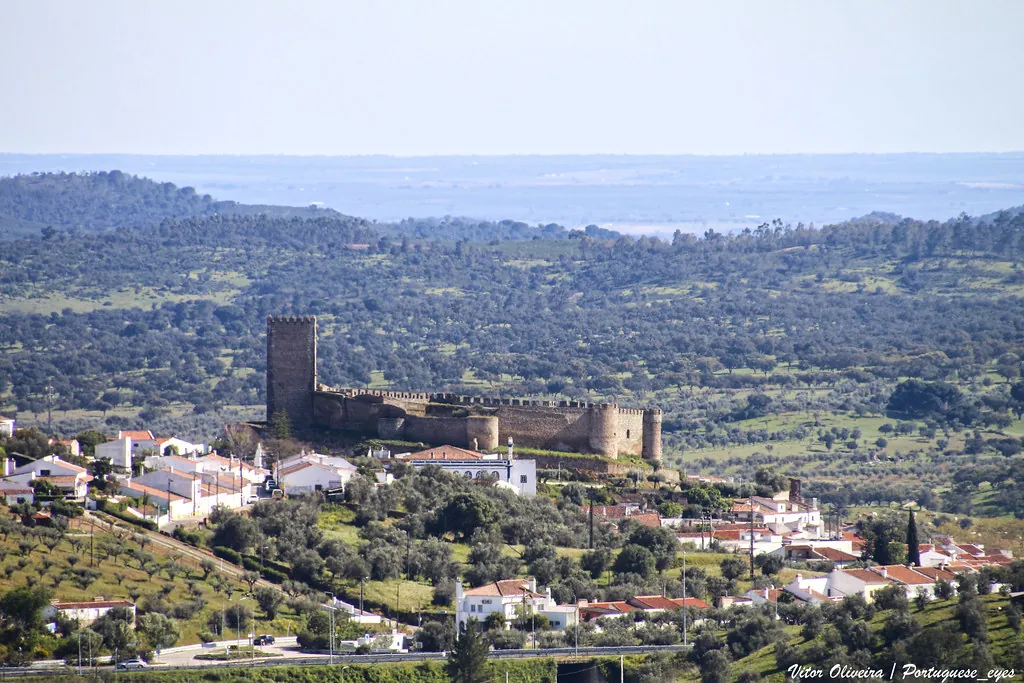
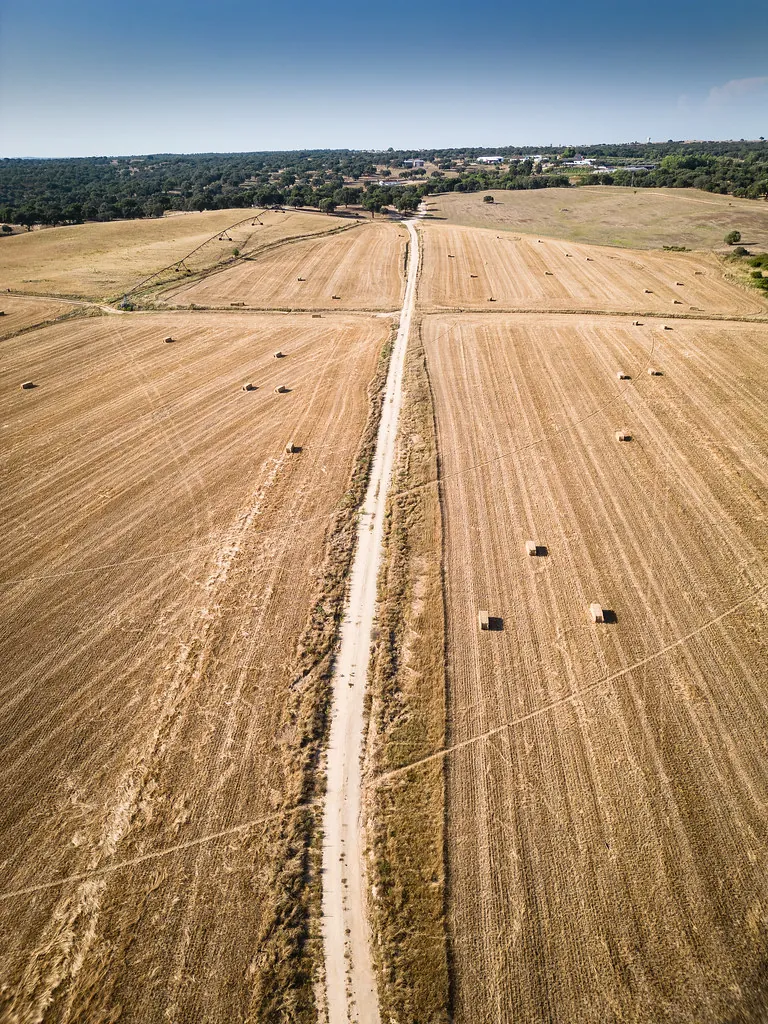
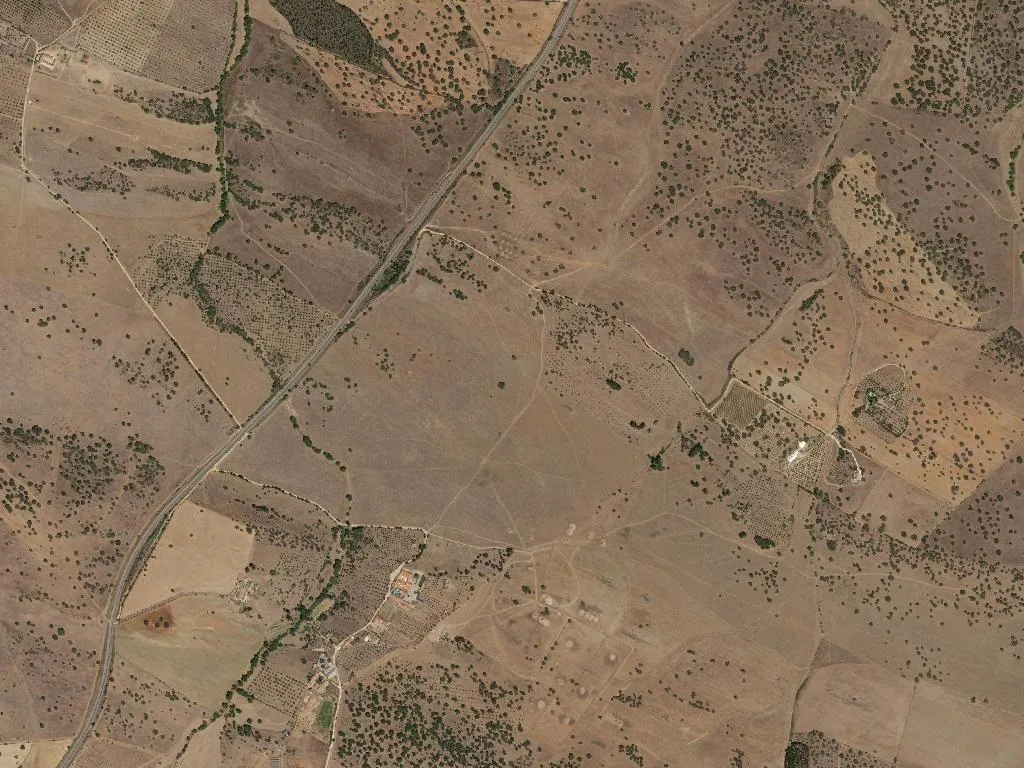
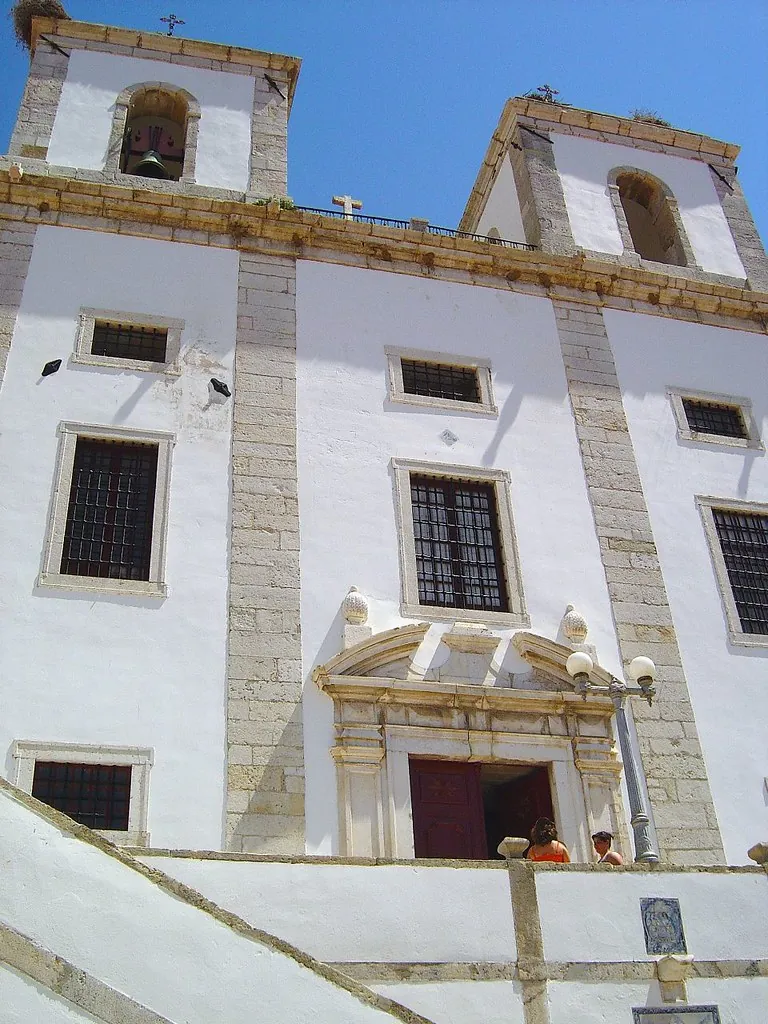
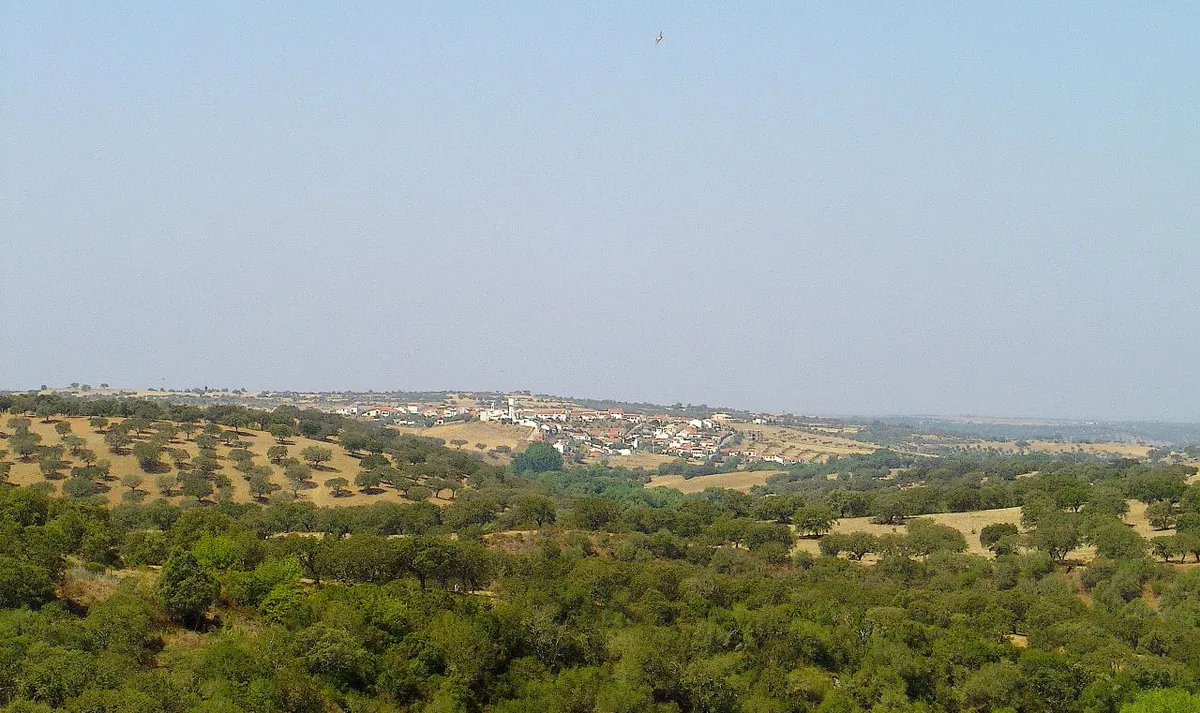
Evora is the capital of the Alentejo and one of Europe's best-preserved cities — its UNESCO-listed historic centre houses Roman temples, Gothic churches and Renaissance palaces. But it is beyond the walls that the deep Alentejo begins, with its golden plains and villages where time seems to have stopped.
Megaliths and prehistoric heritage
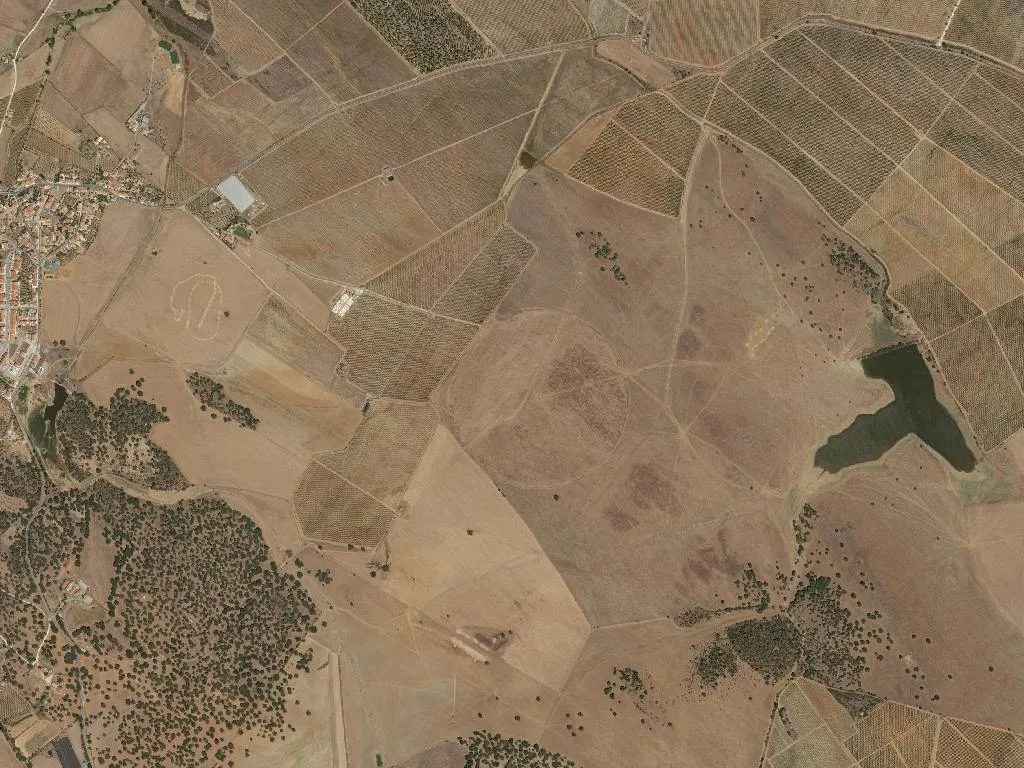
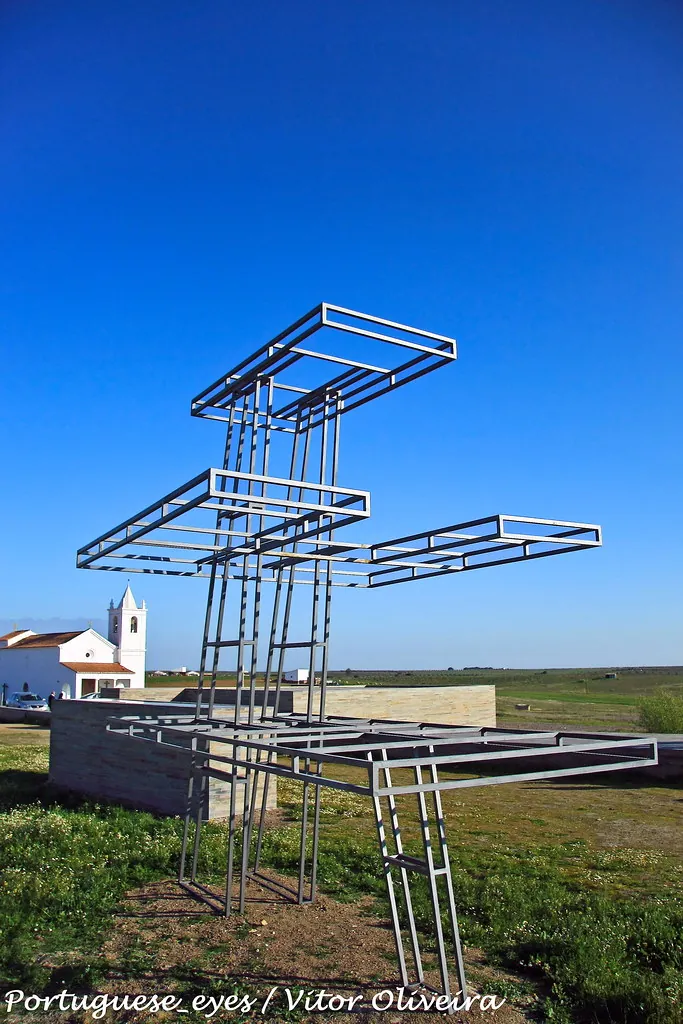
Central Alentejo has the highest density of megalithic monuments in the Iberian Peninsula. The Almendres Cromlech, 12 km from Evora, is the peninsula's largest — predating Stonehenge. The dolmens of Zambujeiro and Valverde, the menhirs scattered across fields and the rock engravings reveal human occupation spanning over 7,000 years.
Whitewashed villages and the plains
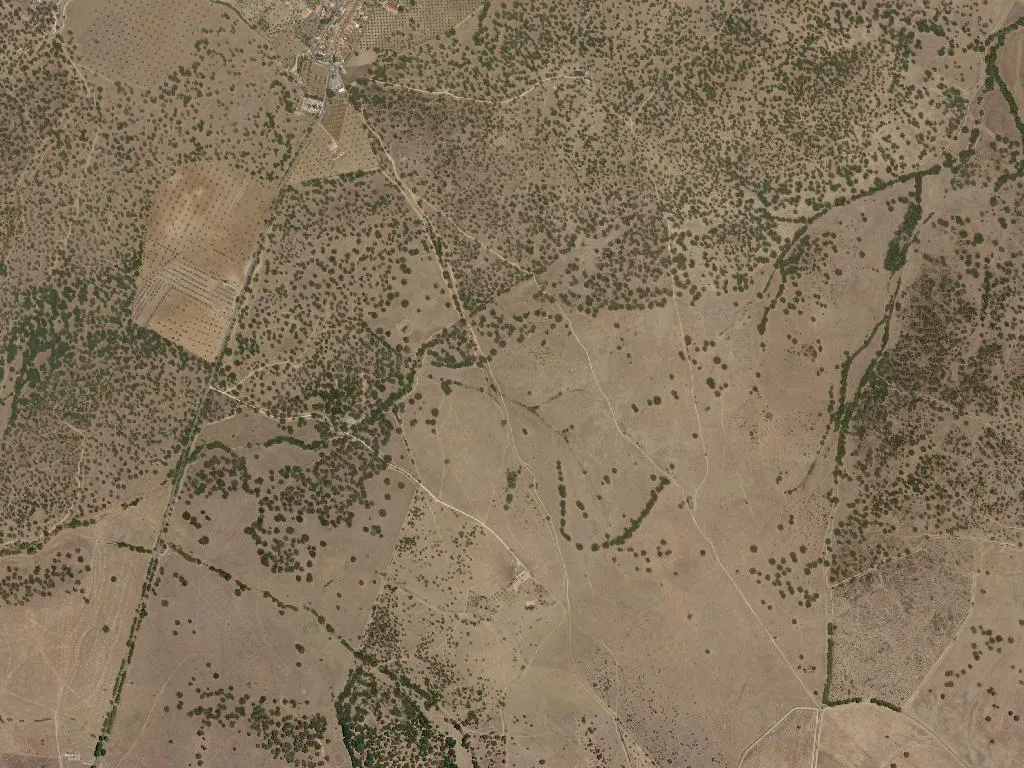
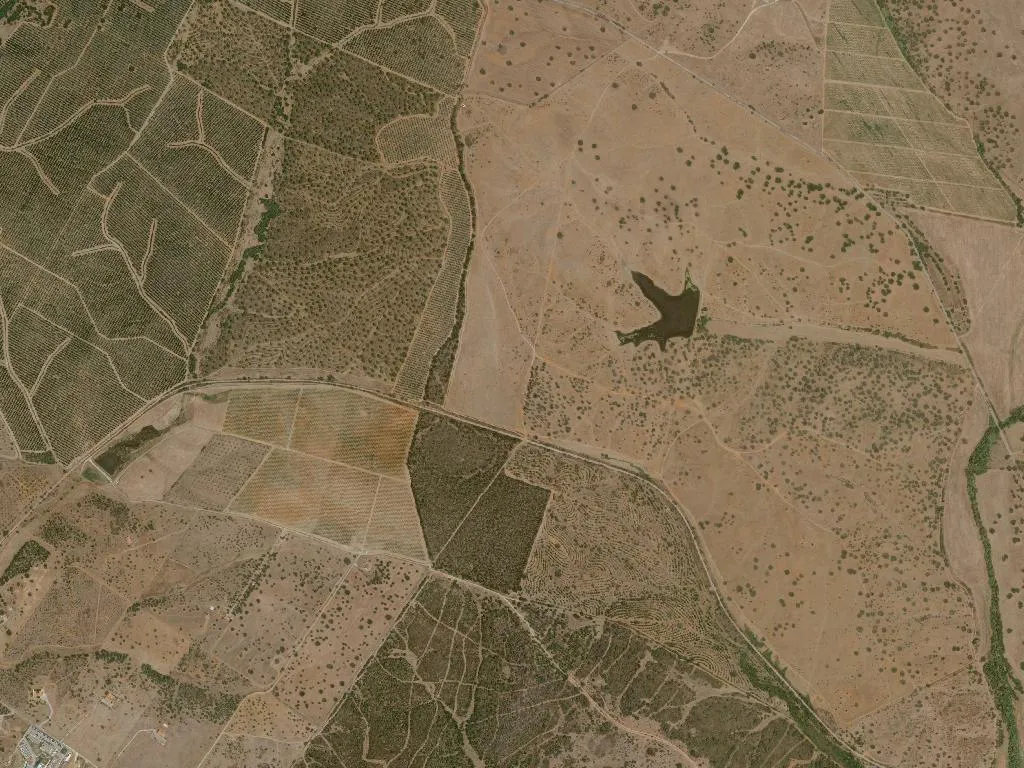
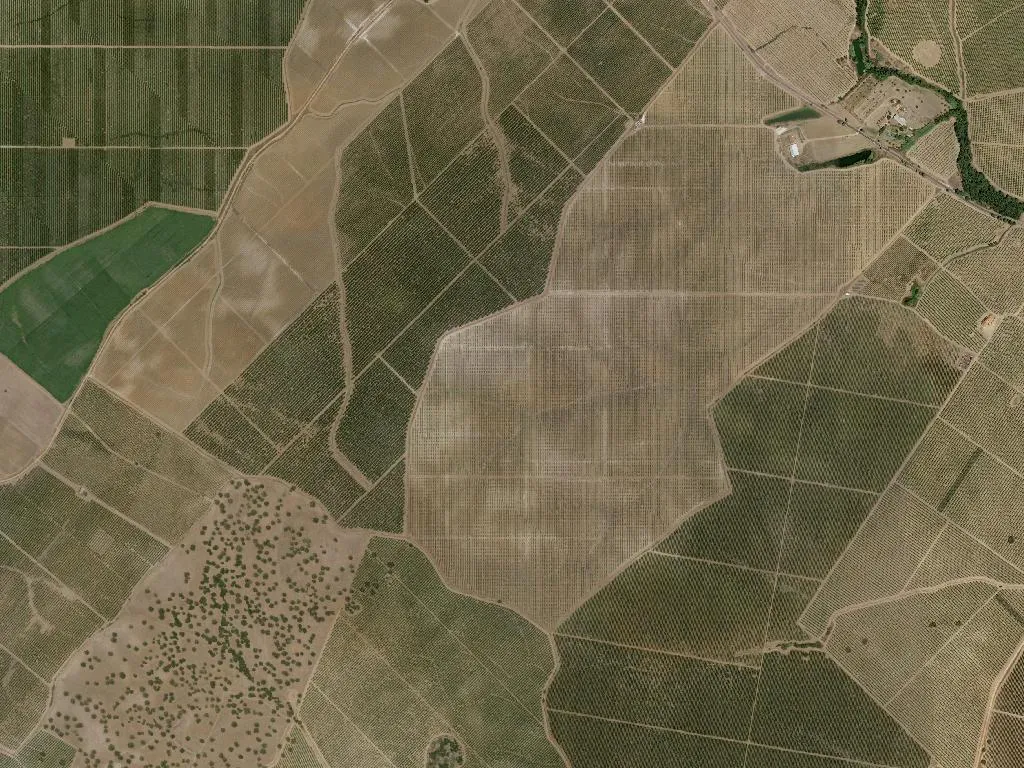
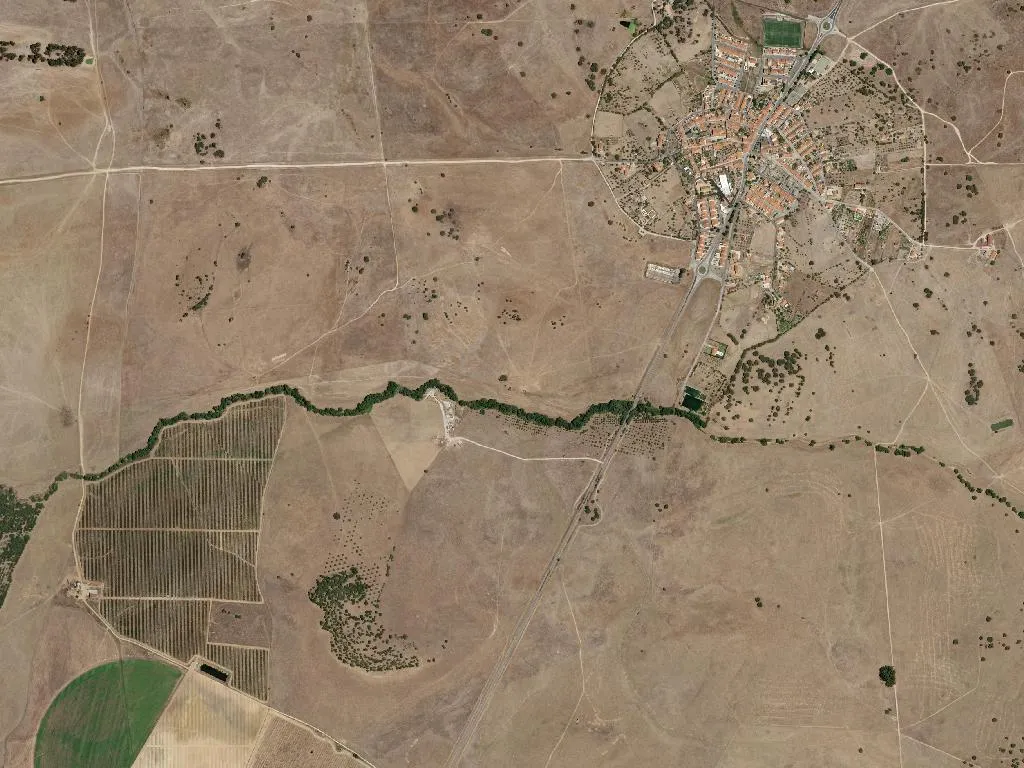
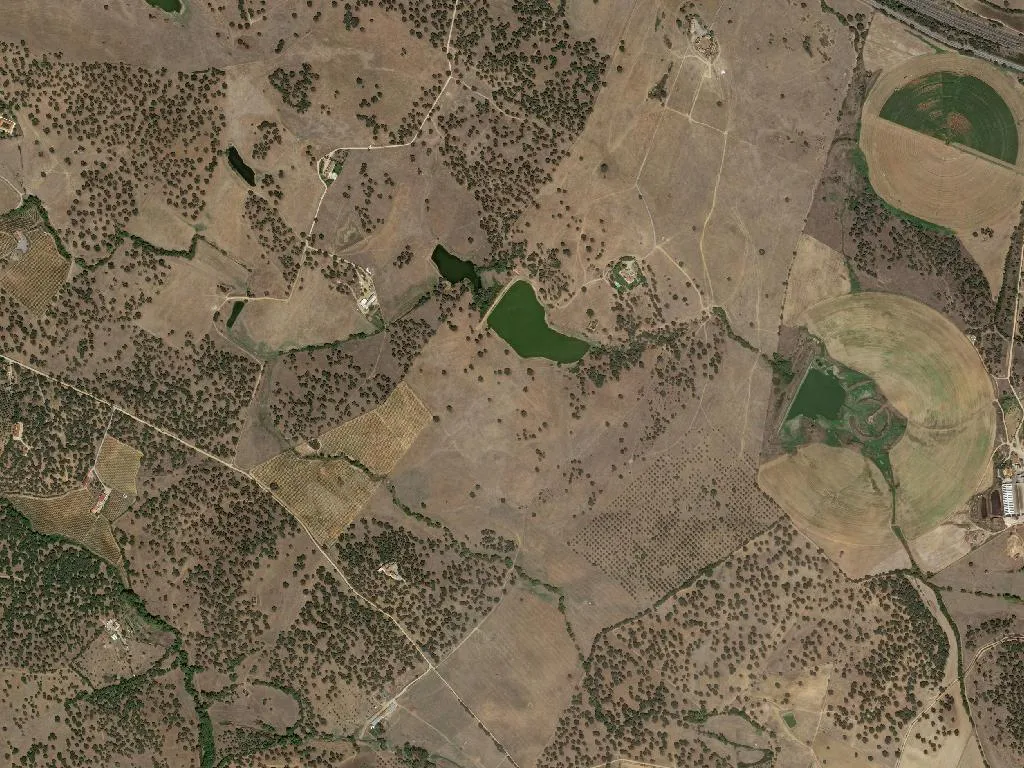
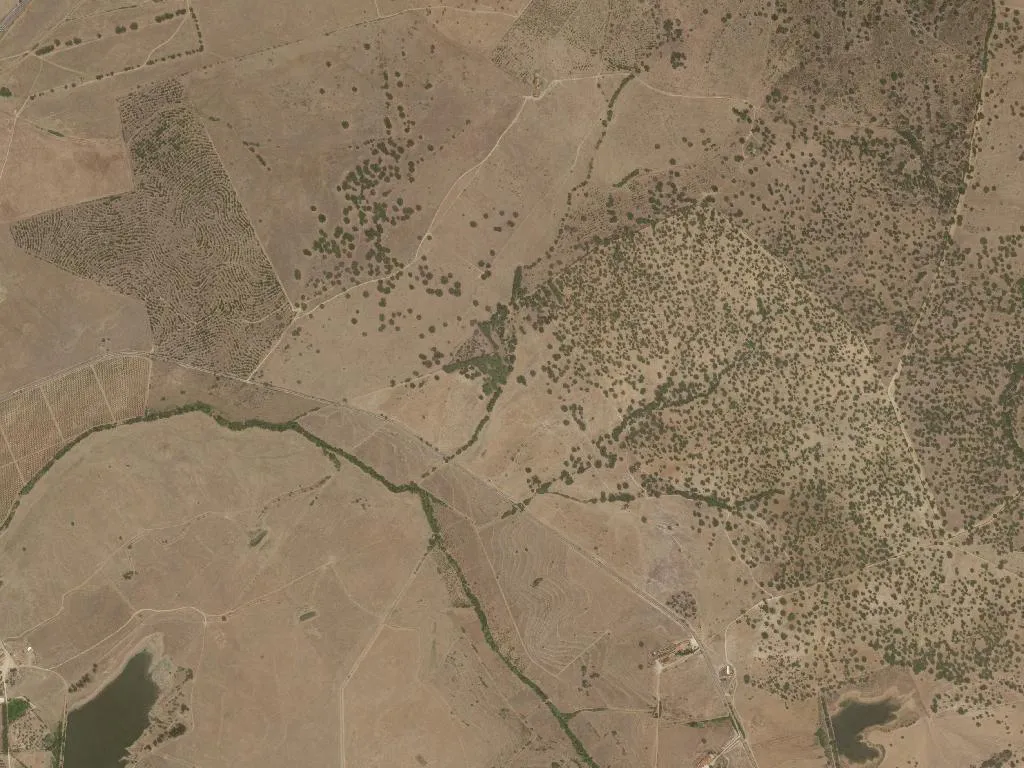
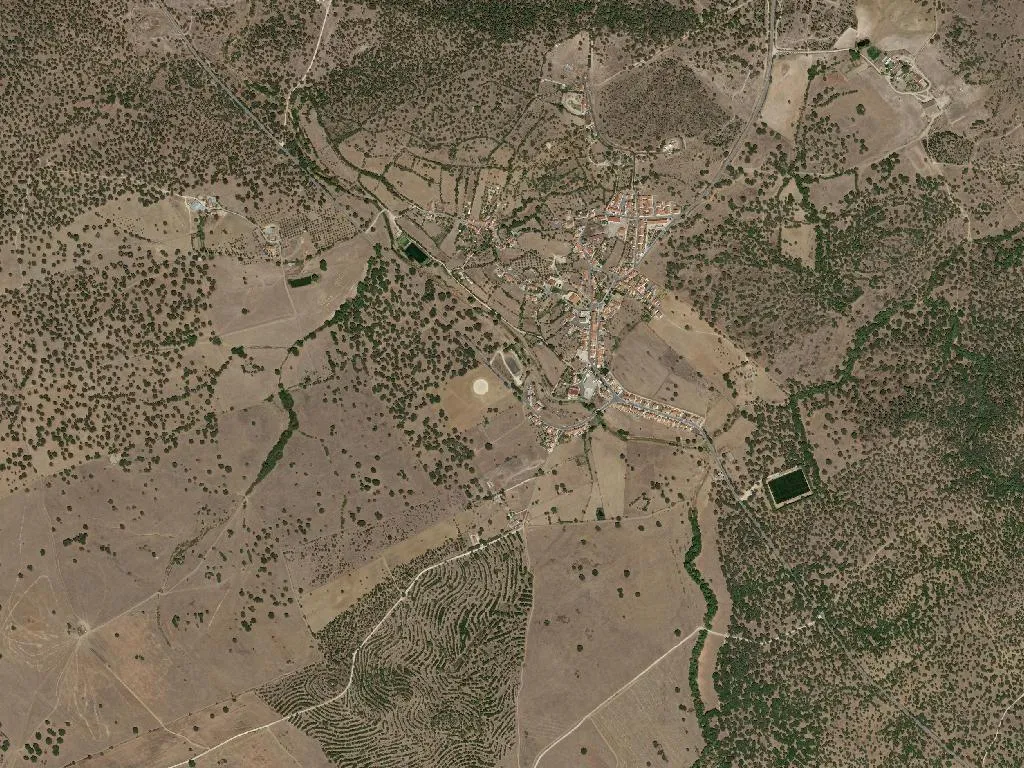
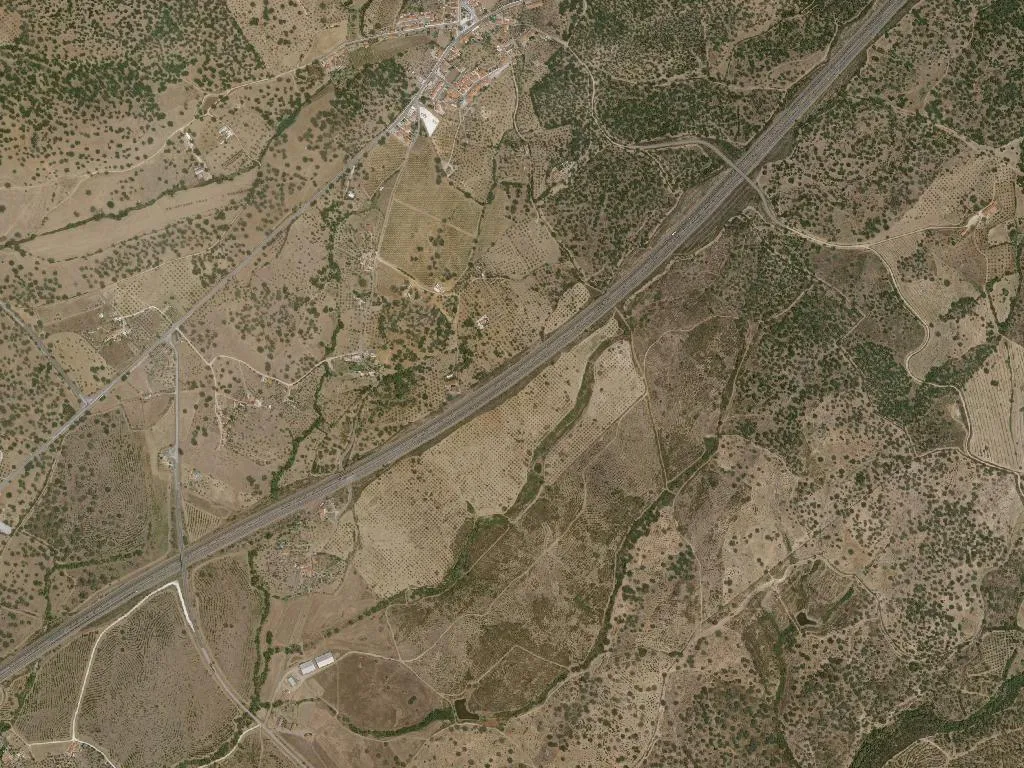
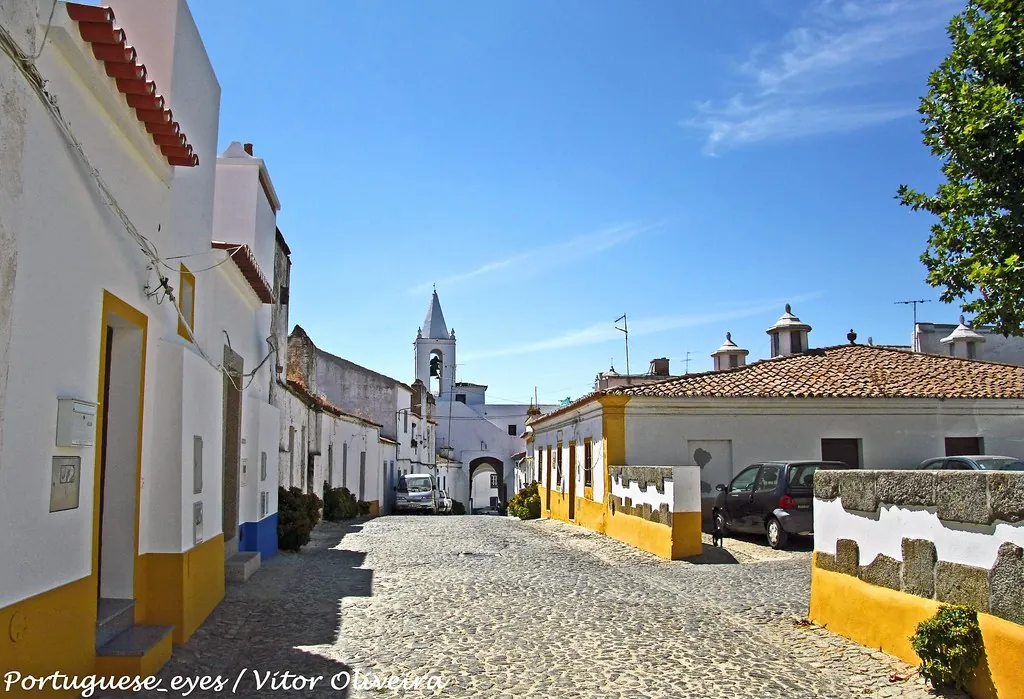
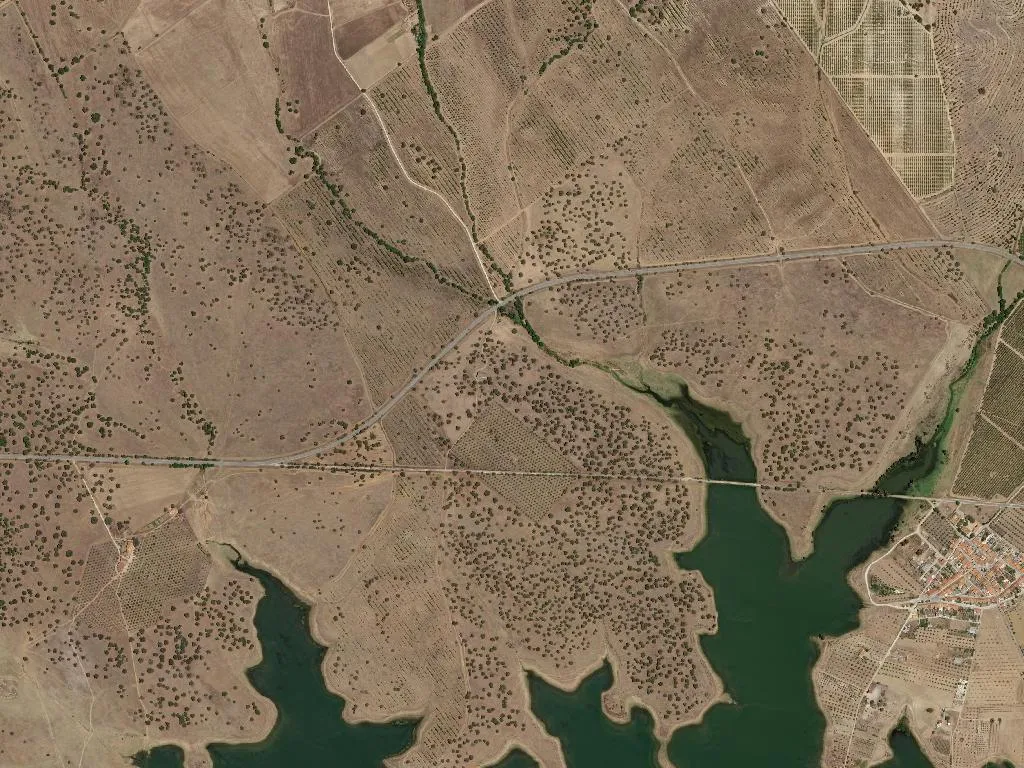
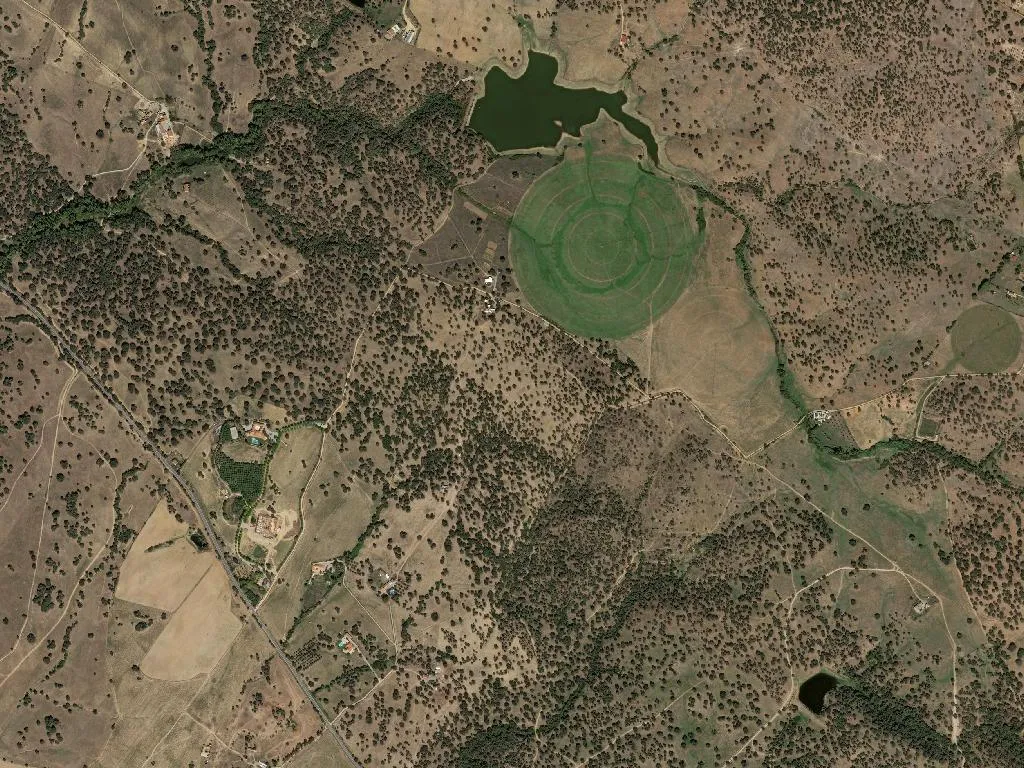
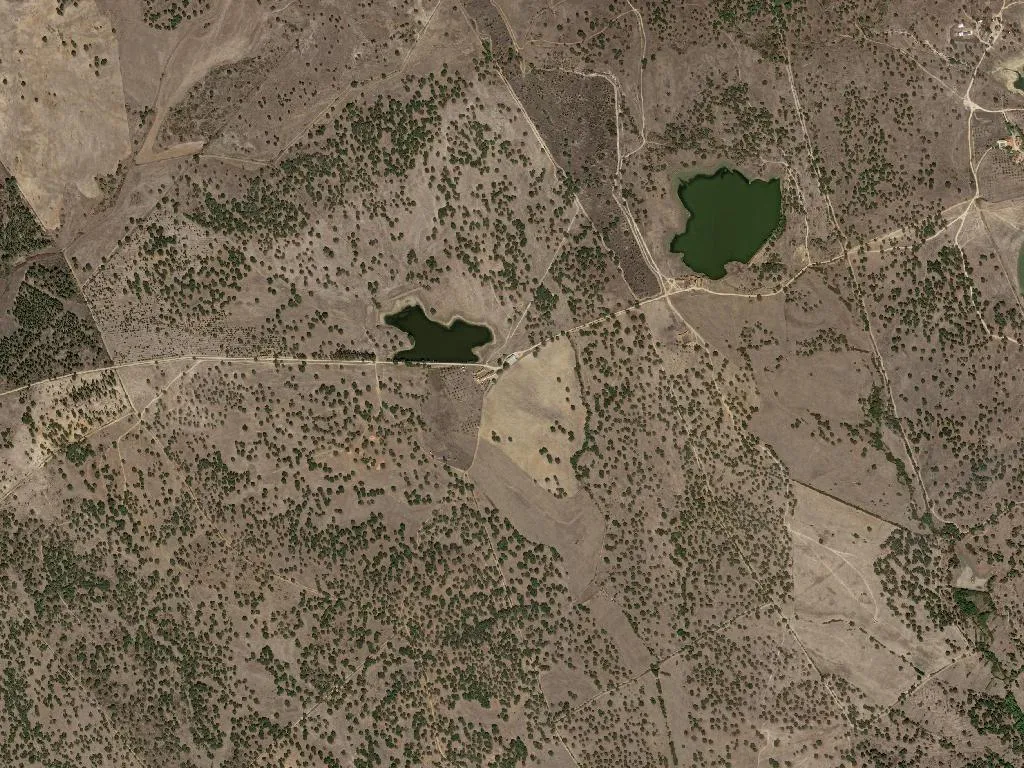
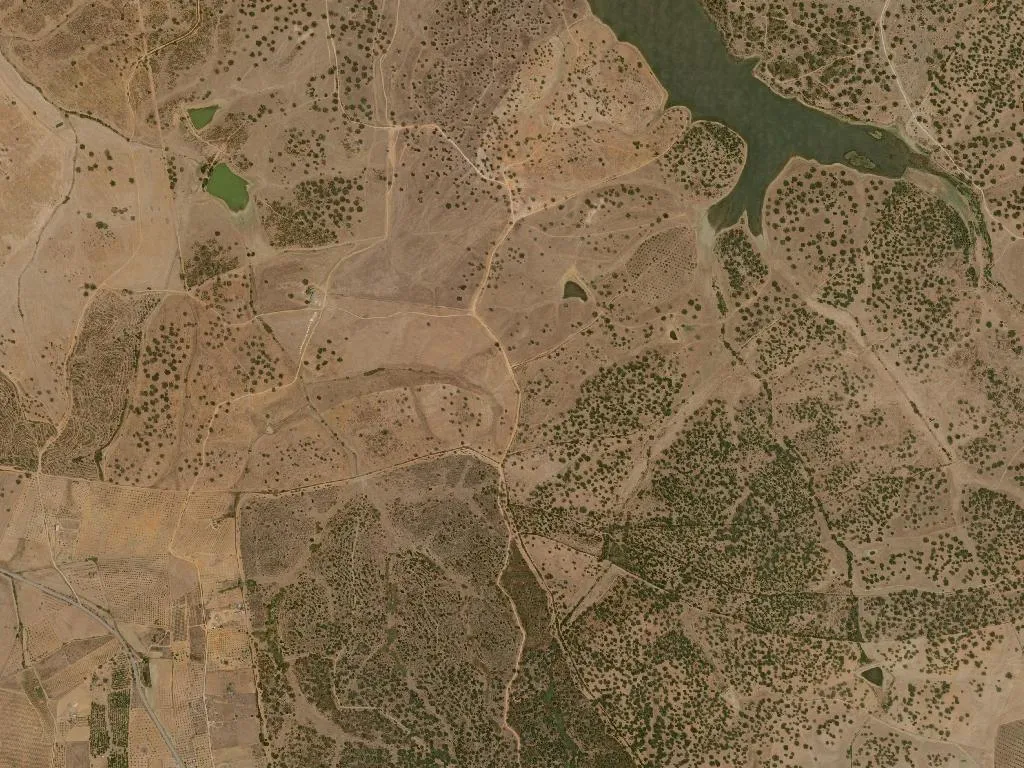
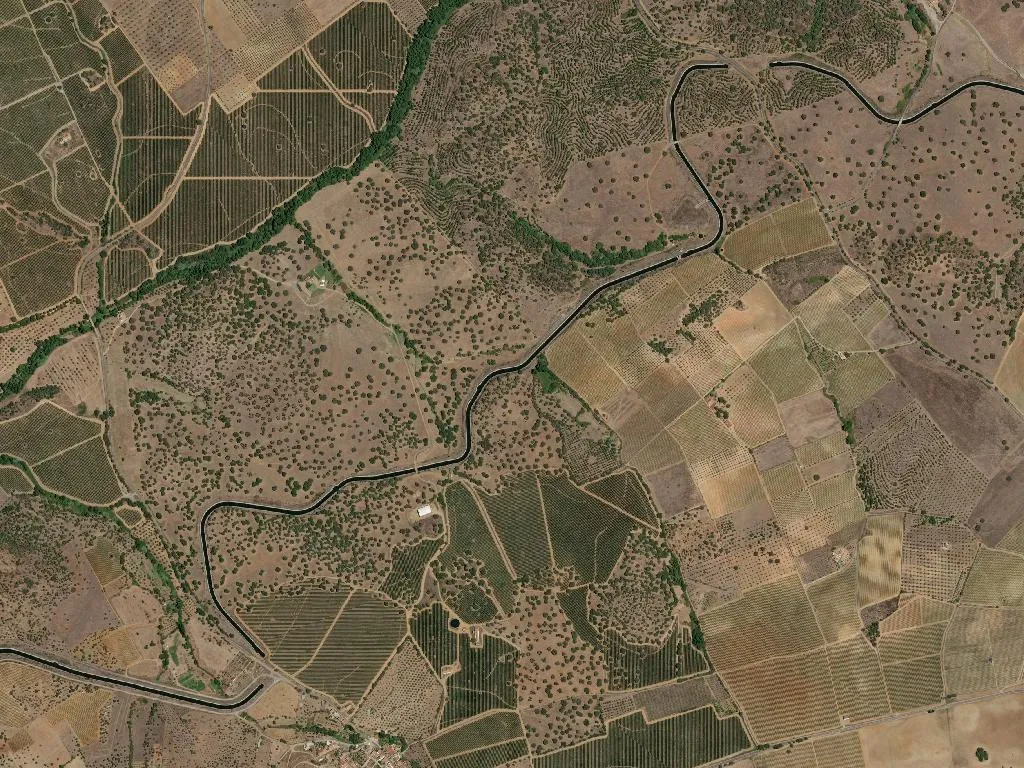
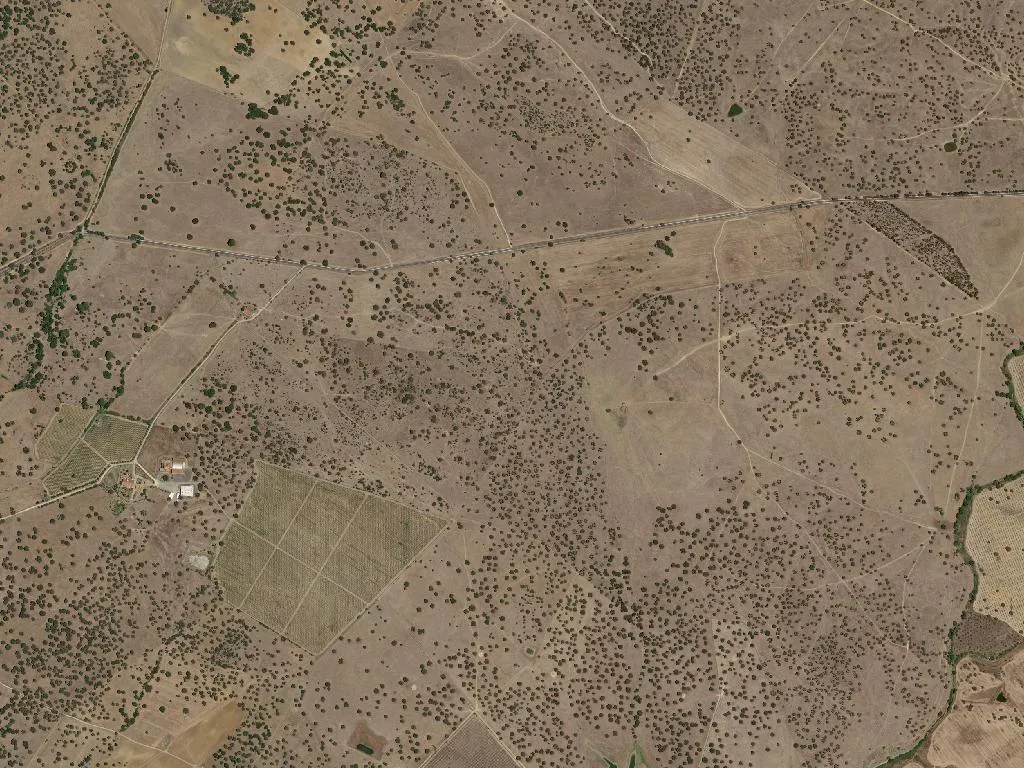
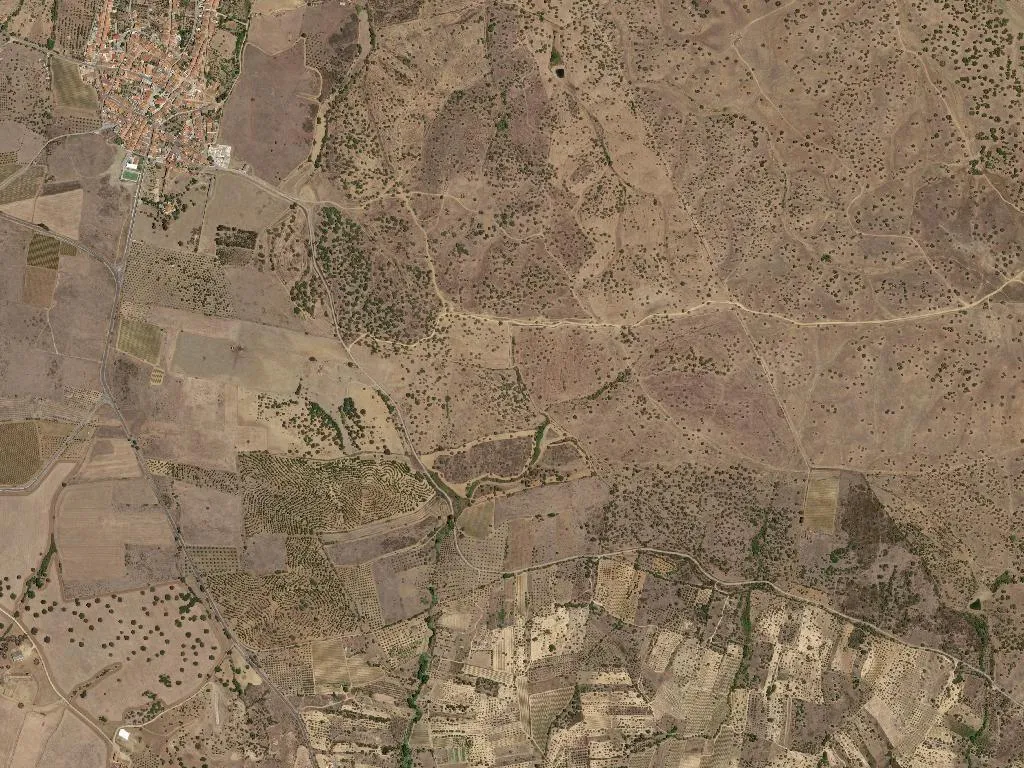
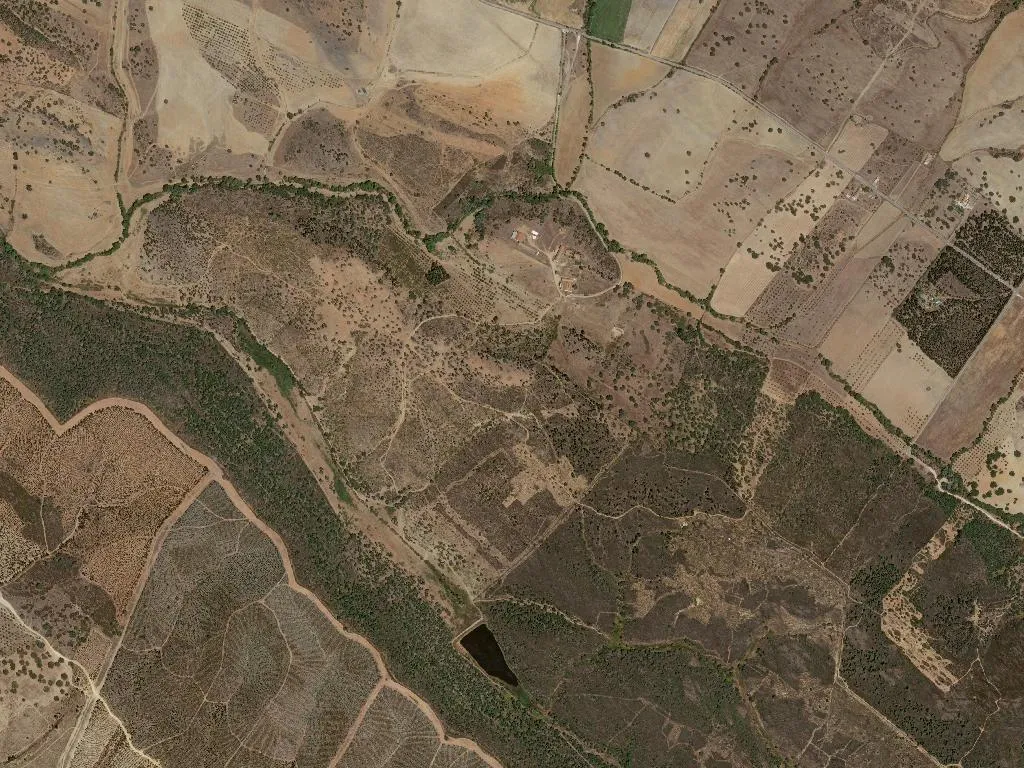
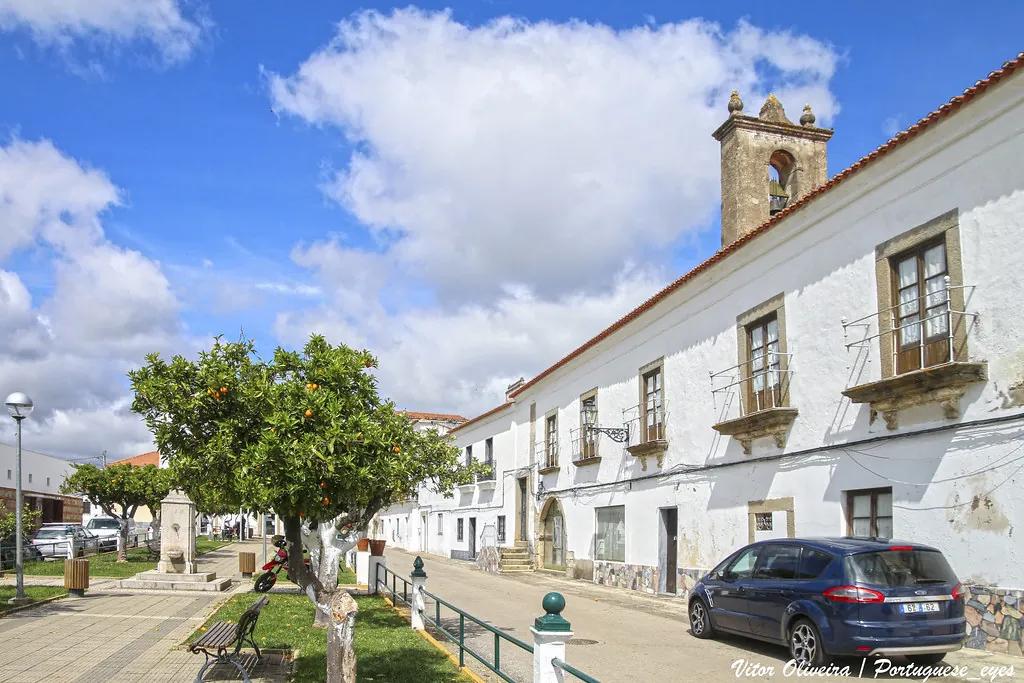
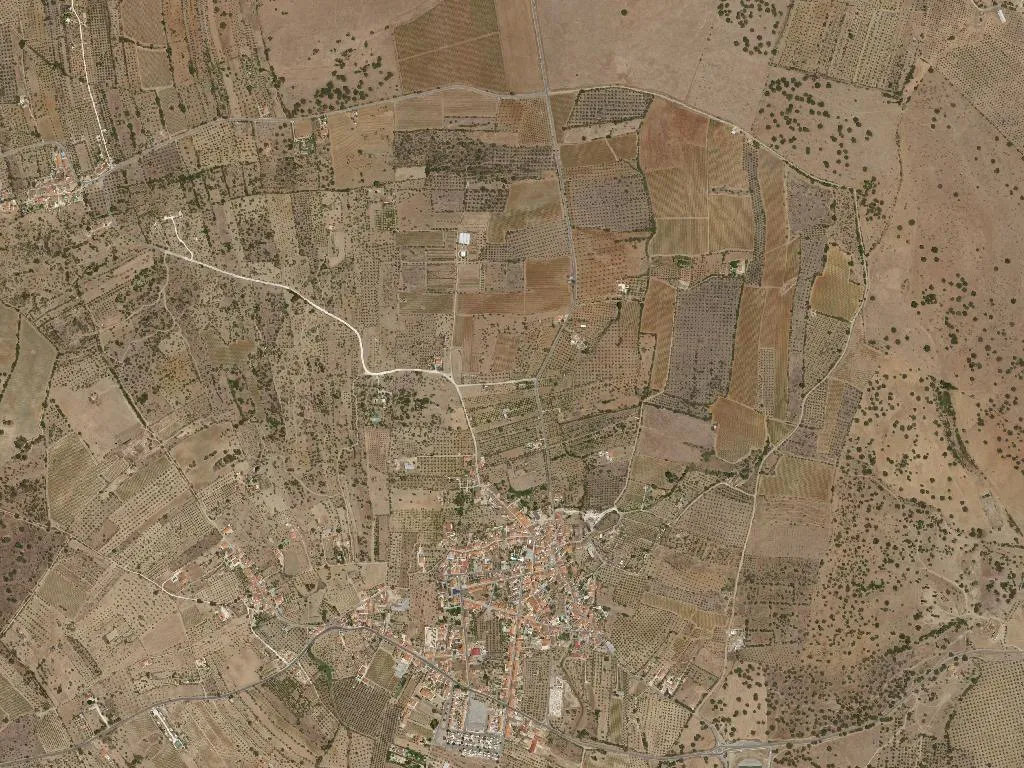
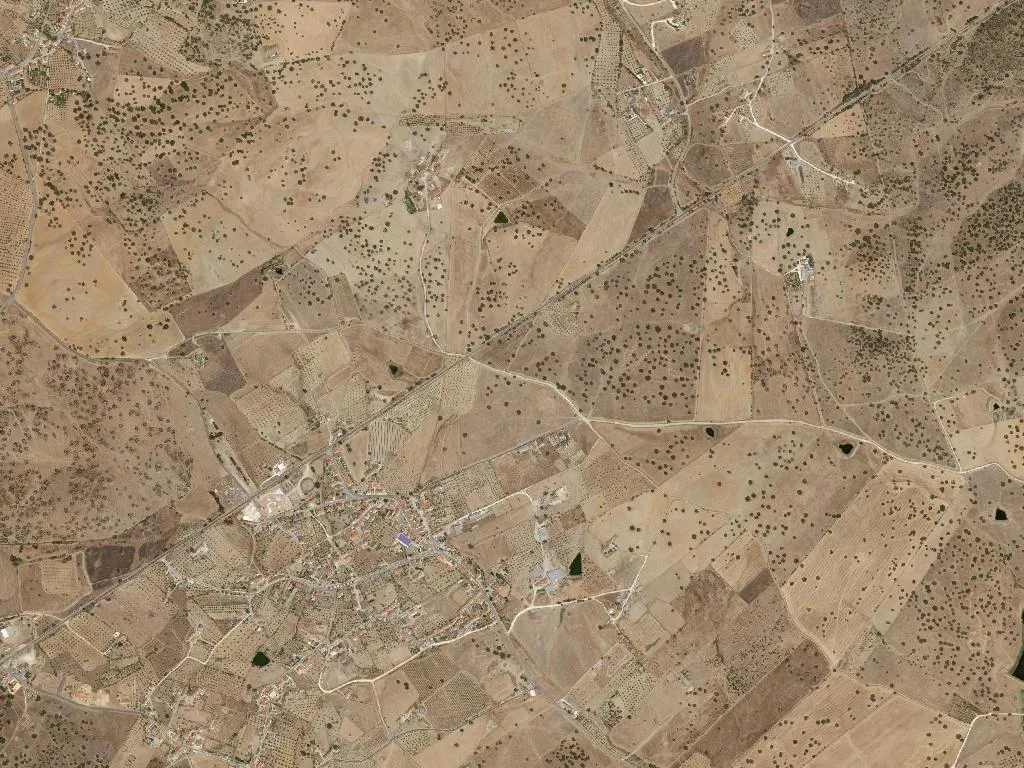
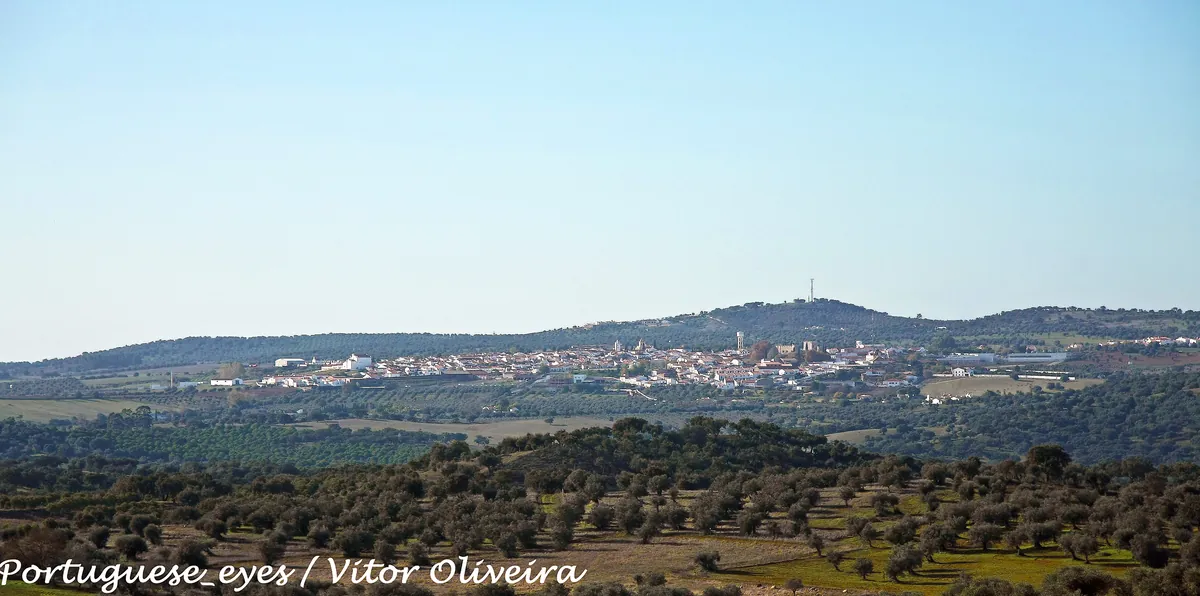
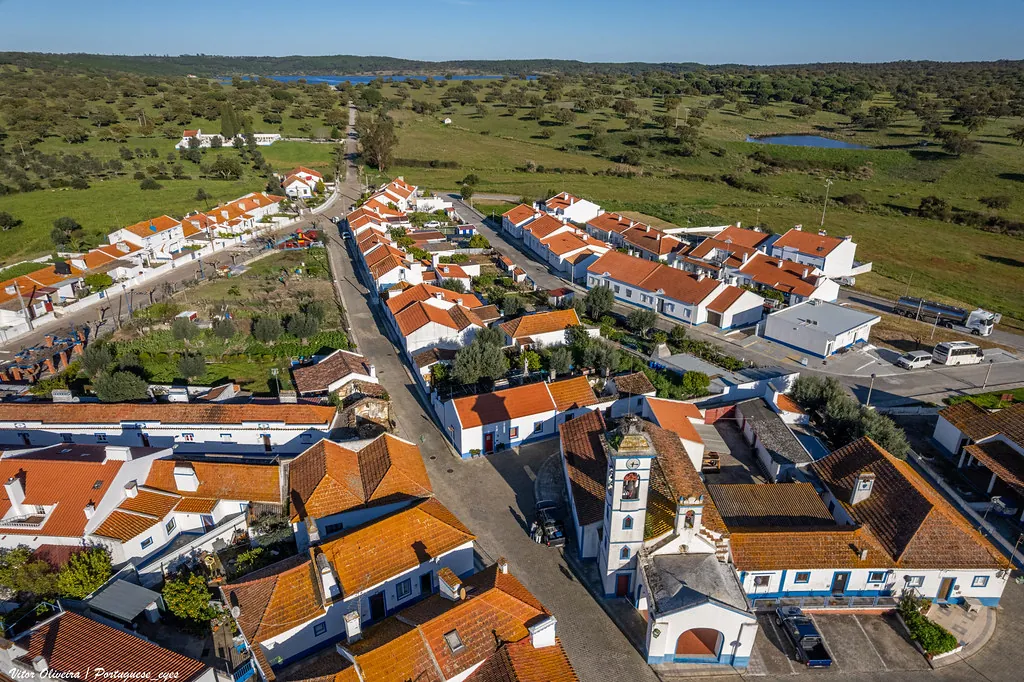
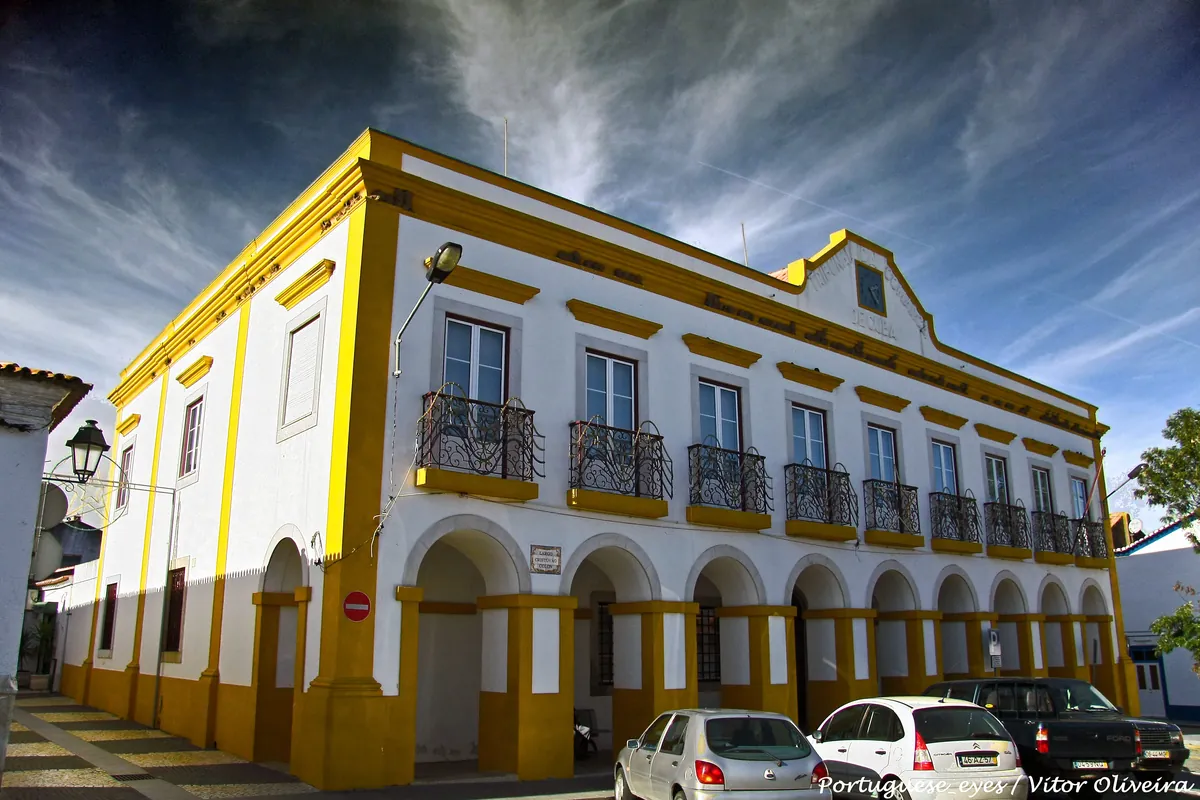
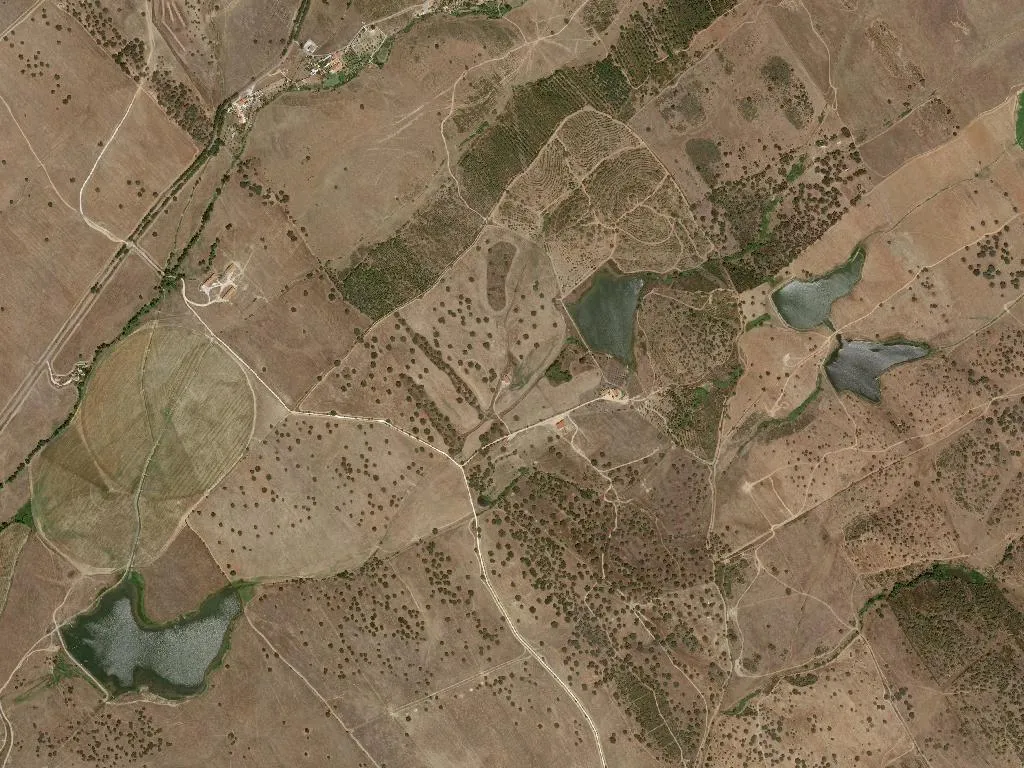
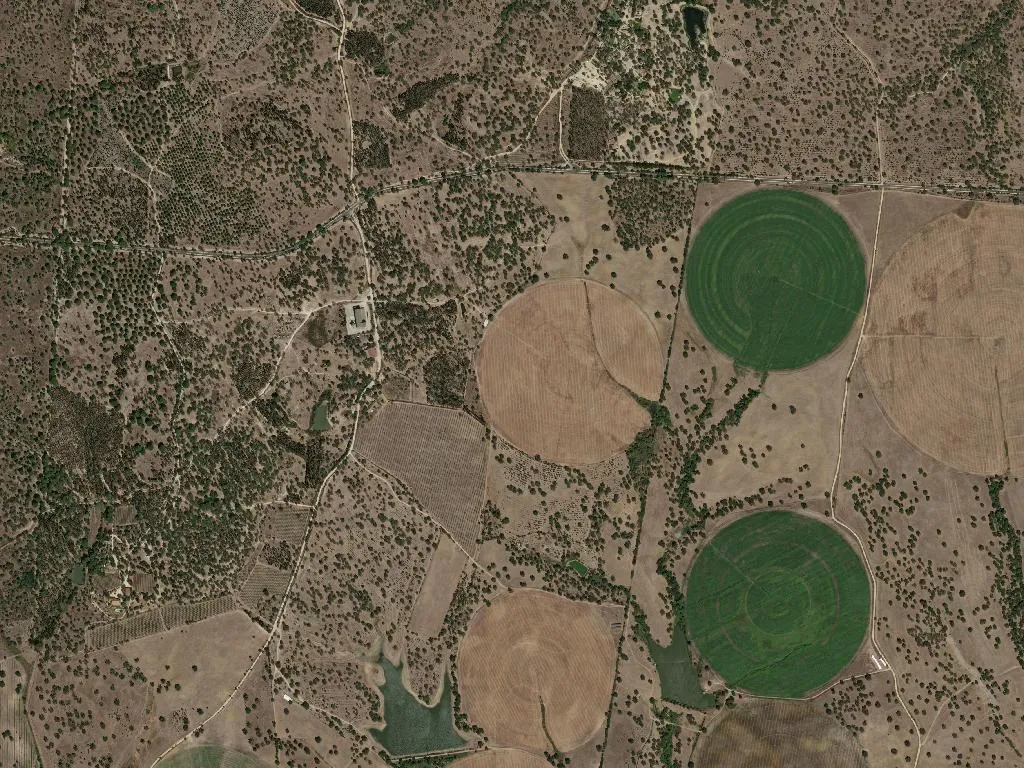
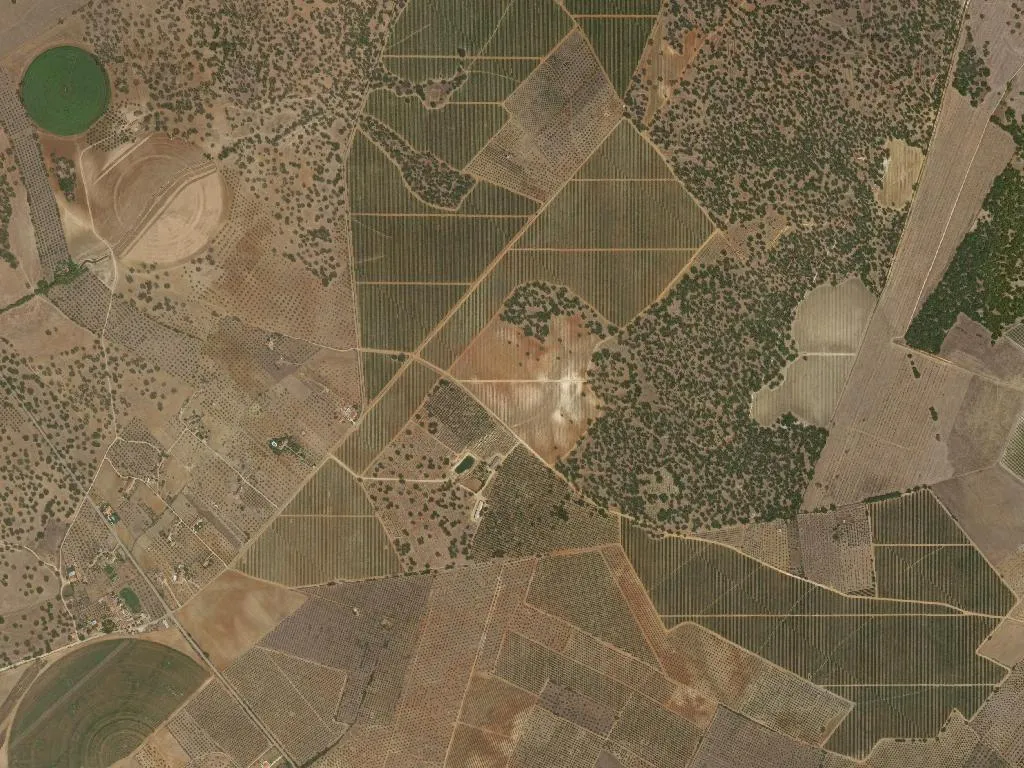
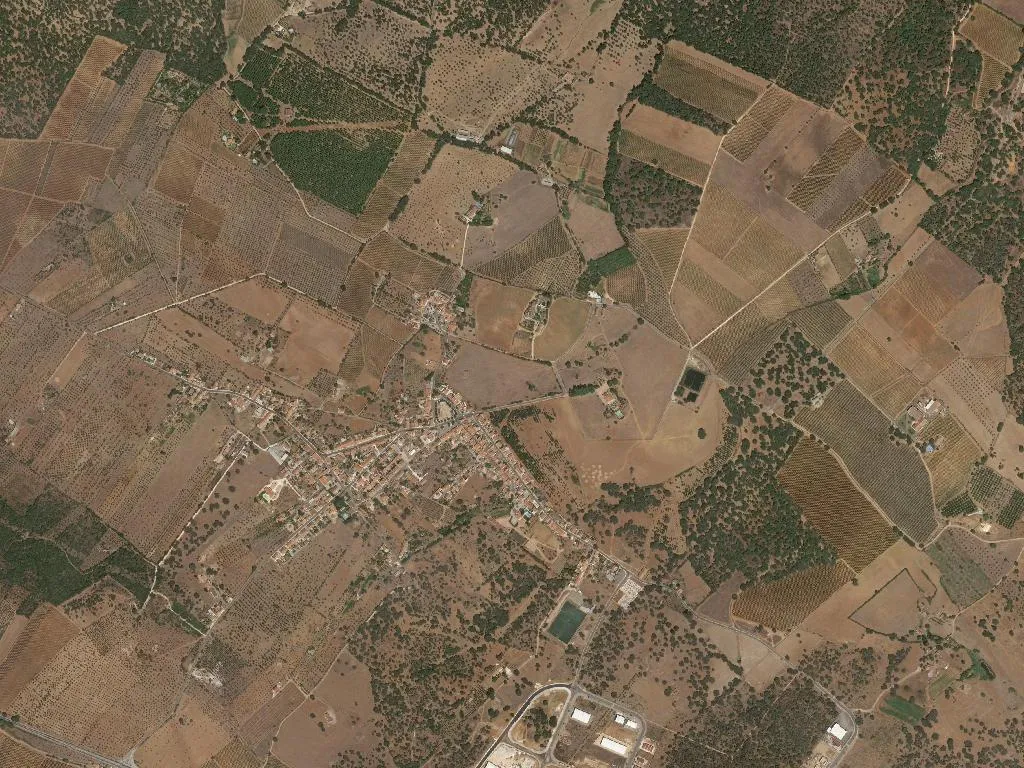
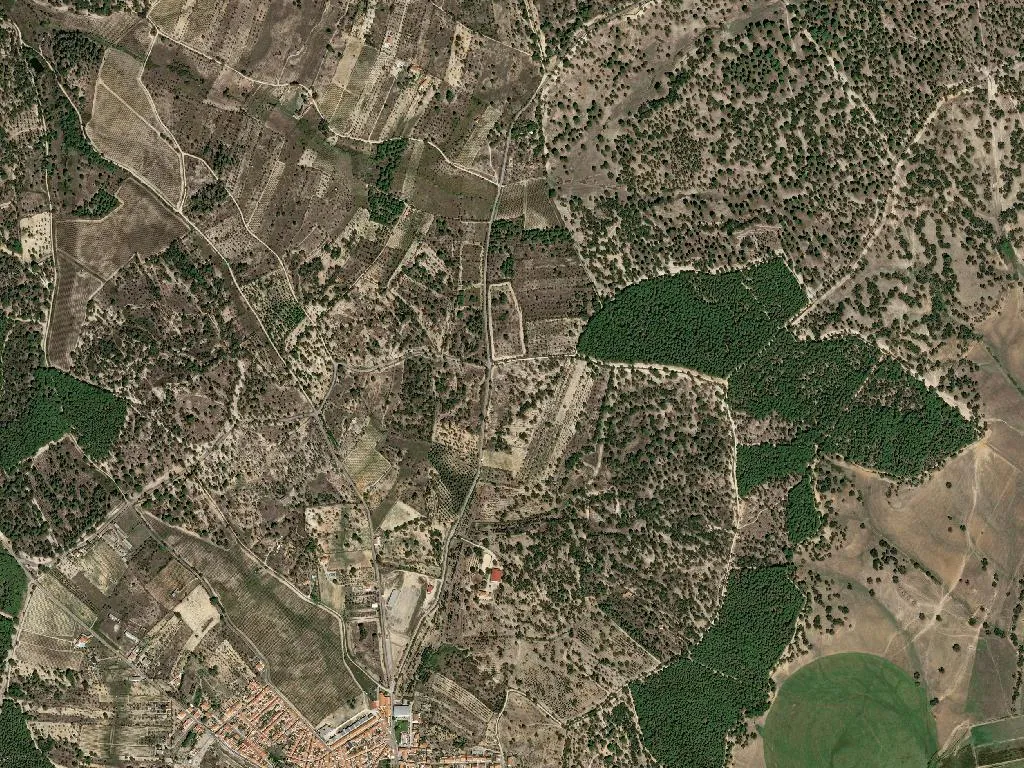
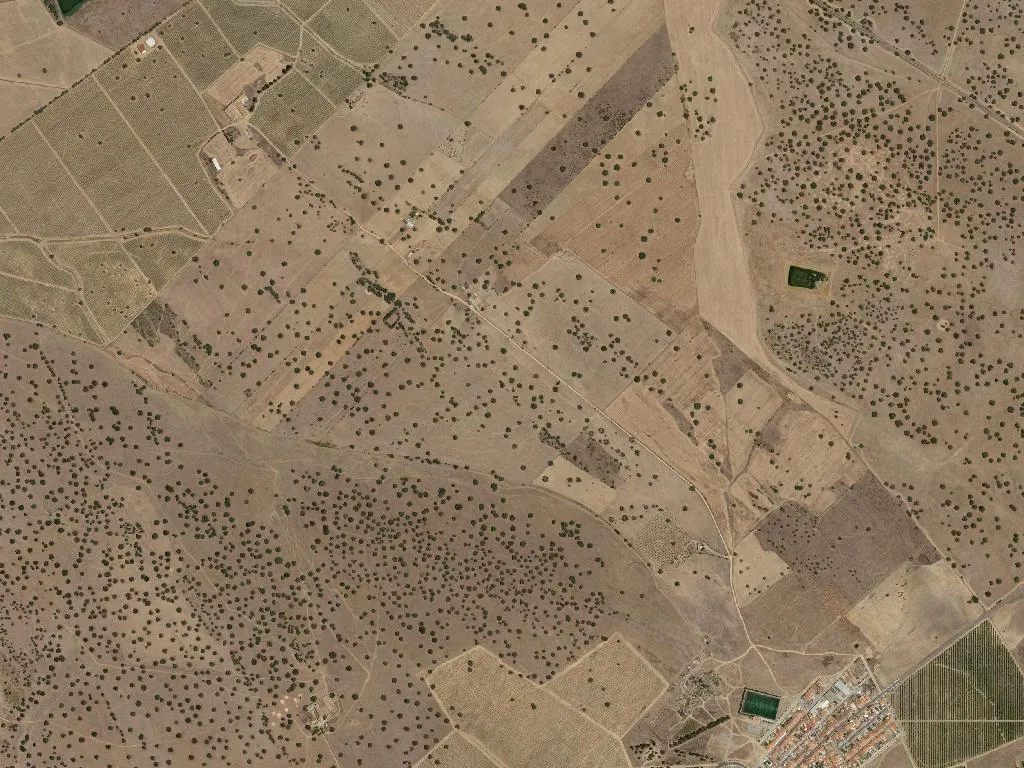
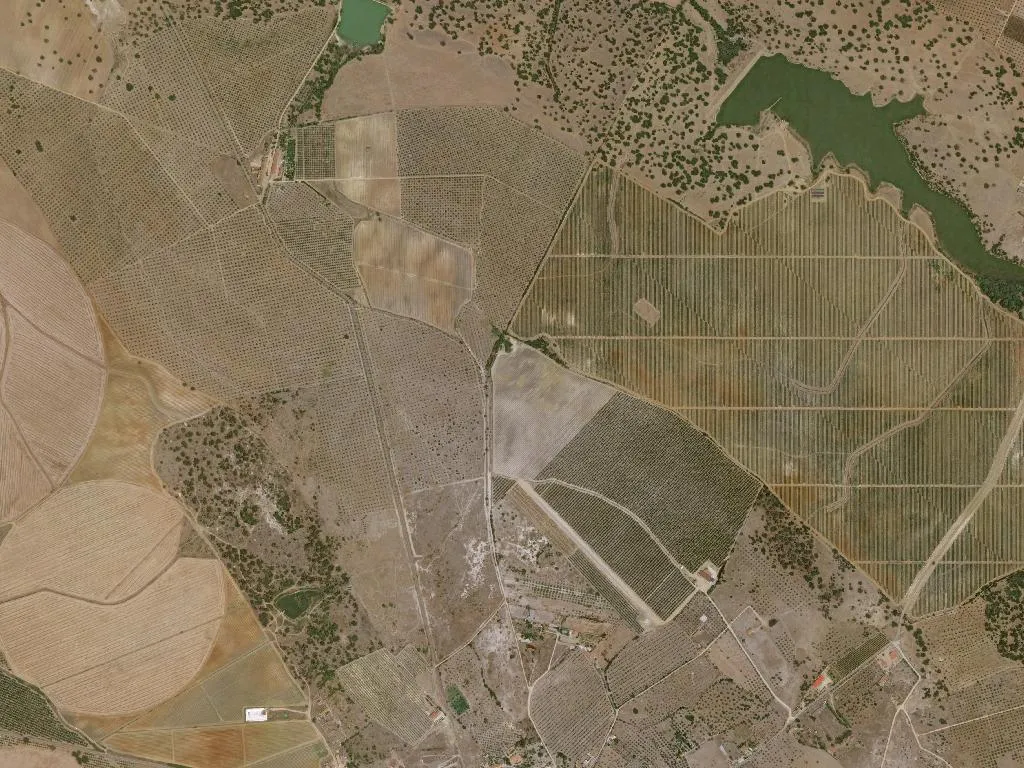
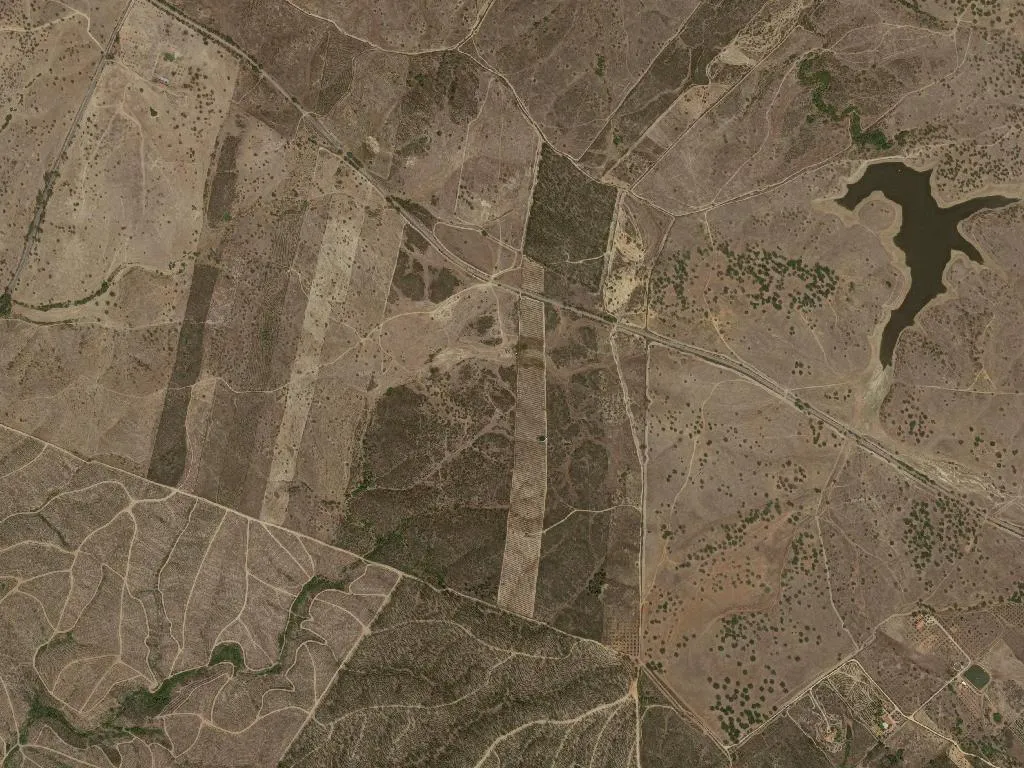
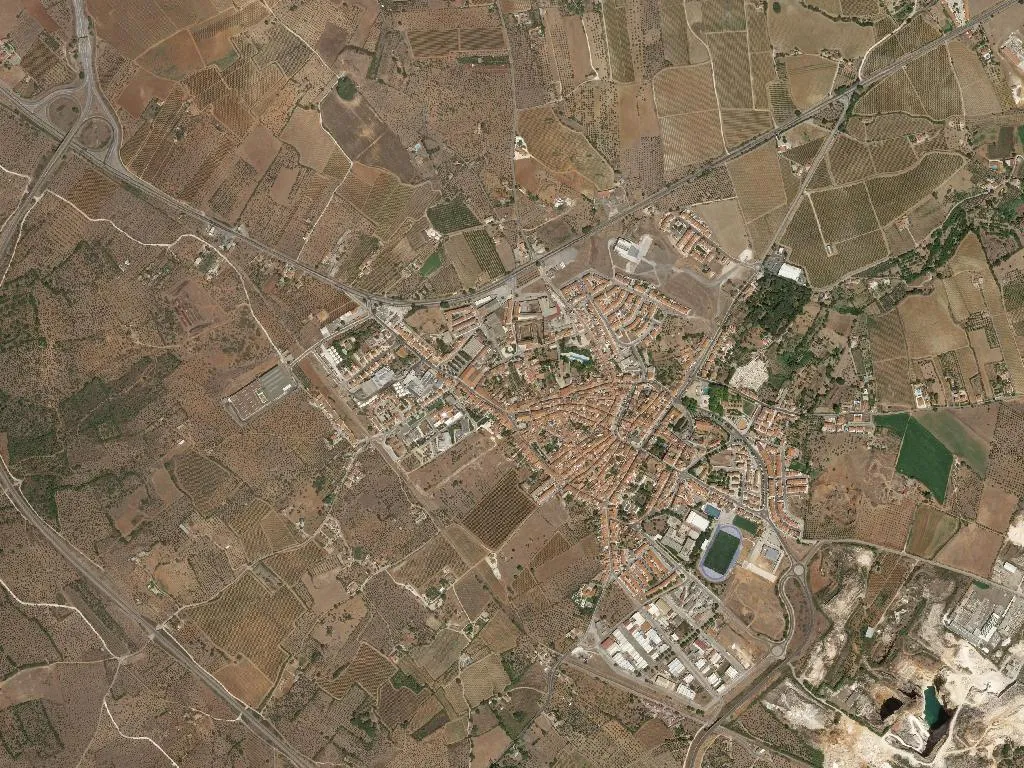
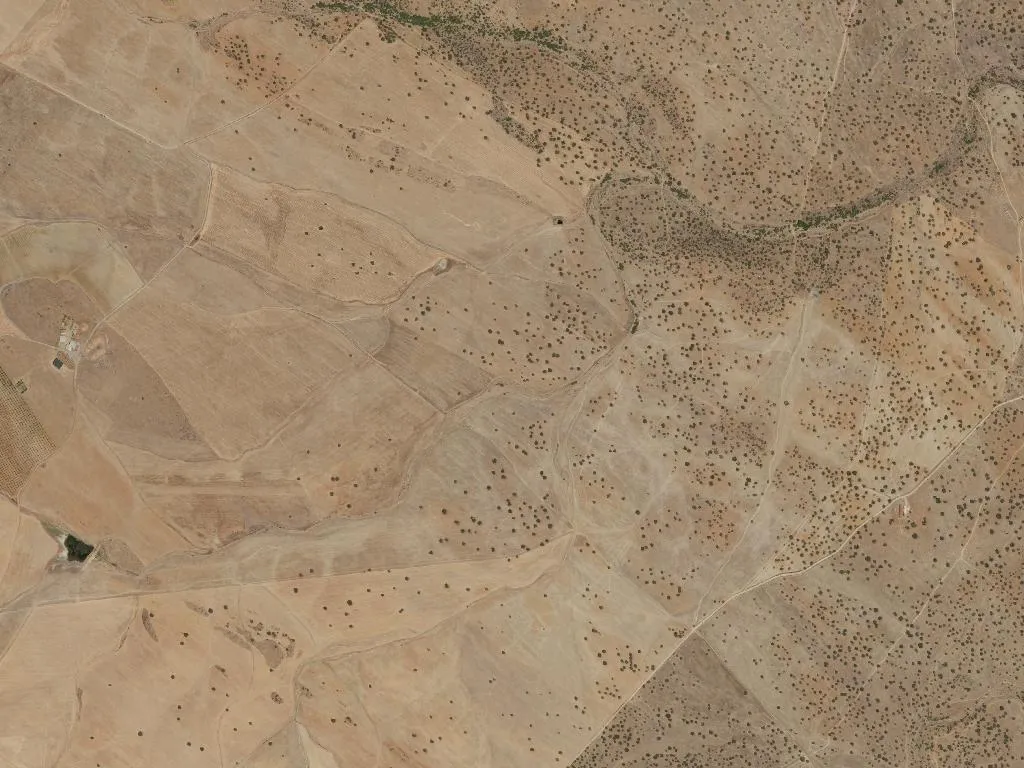
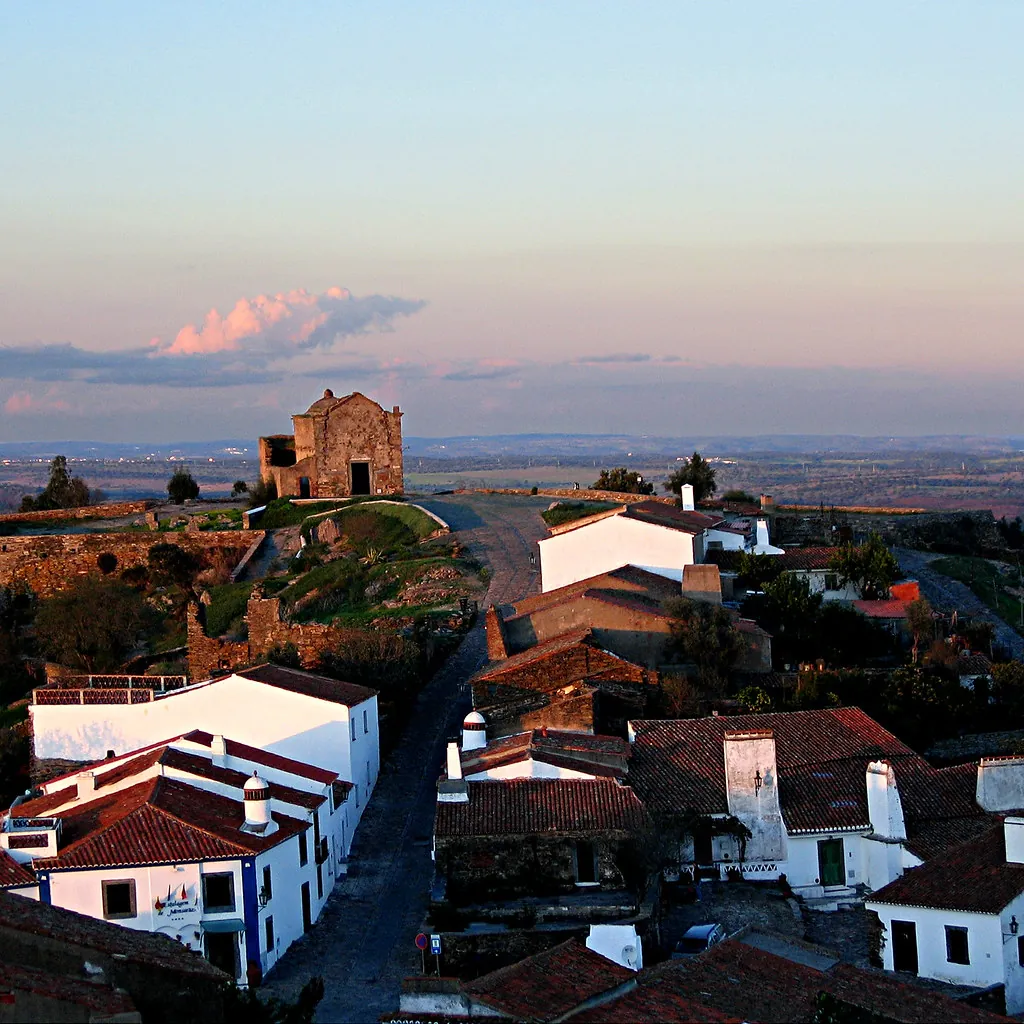
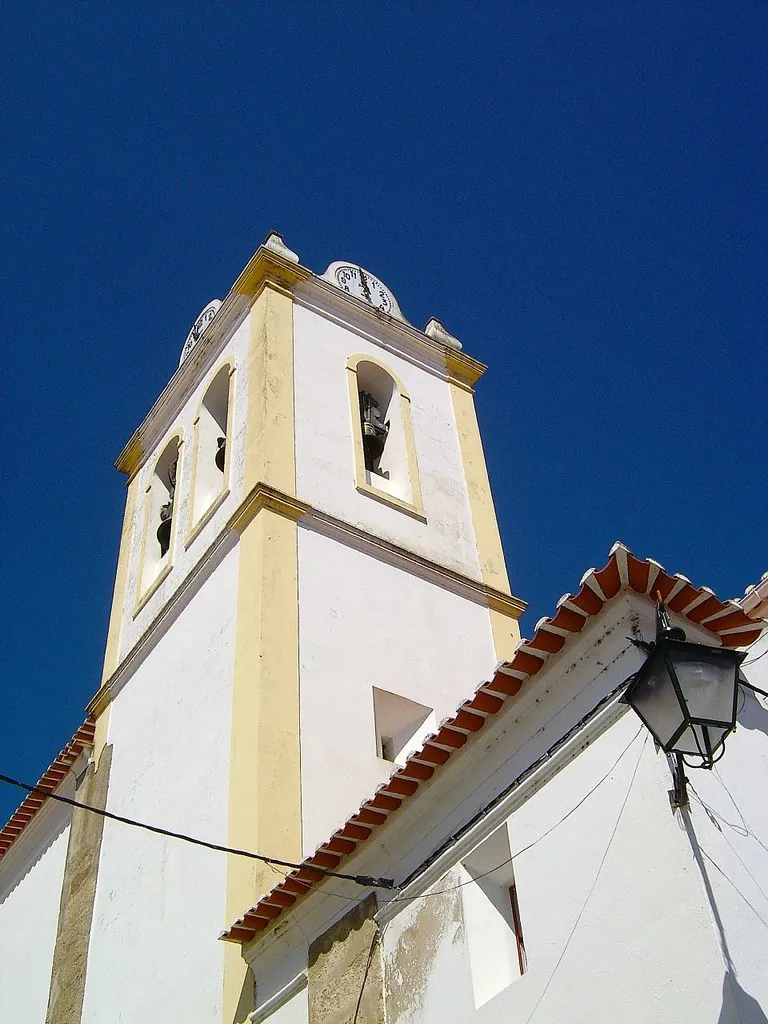
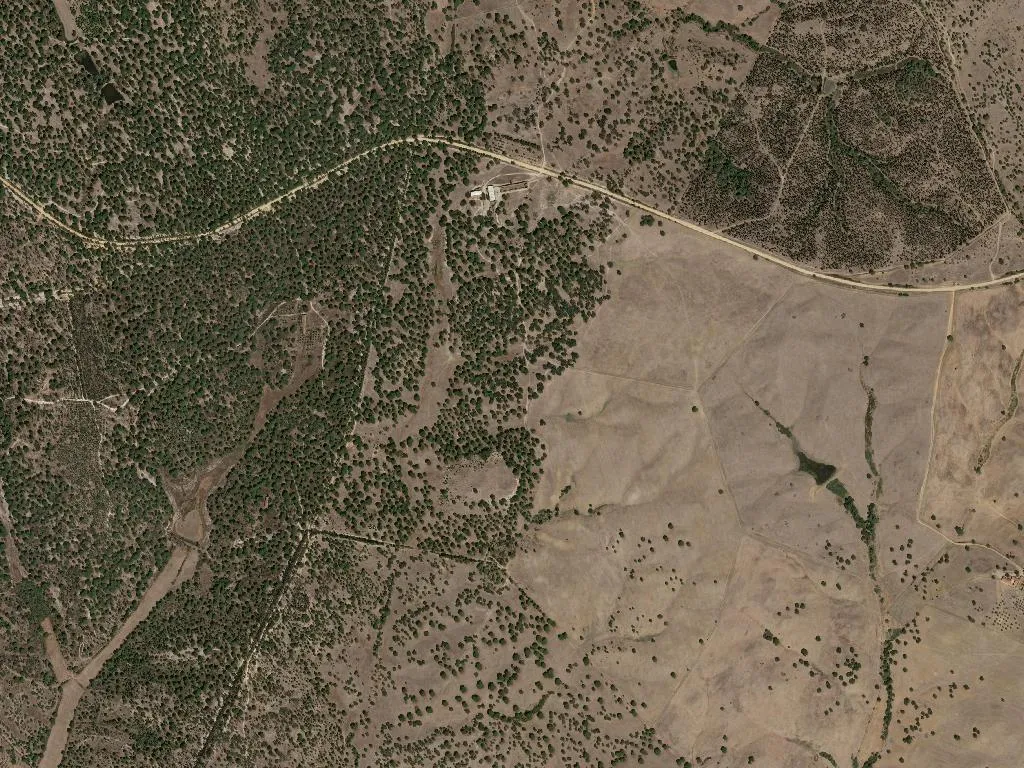
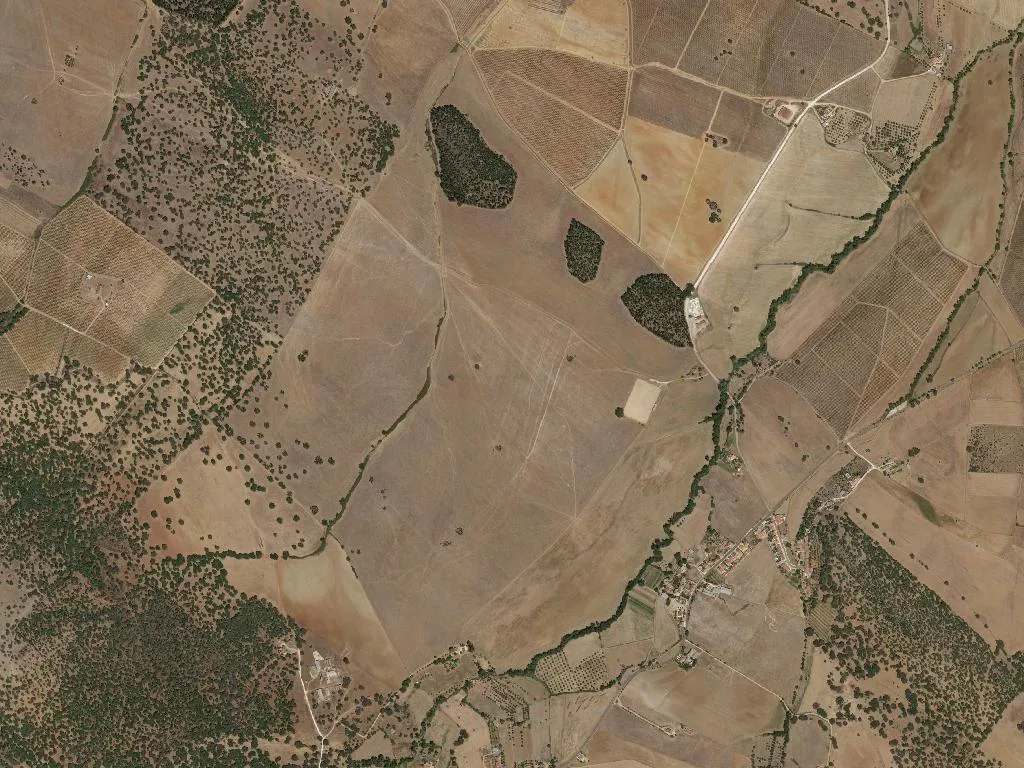
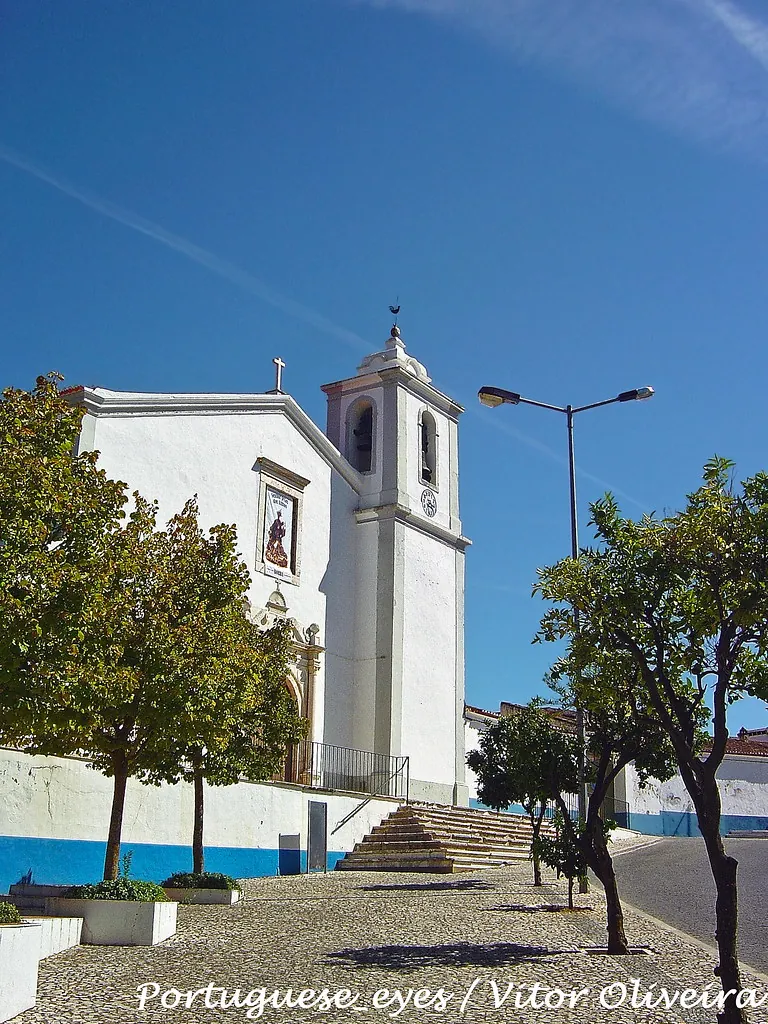
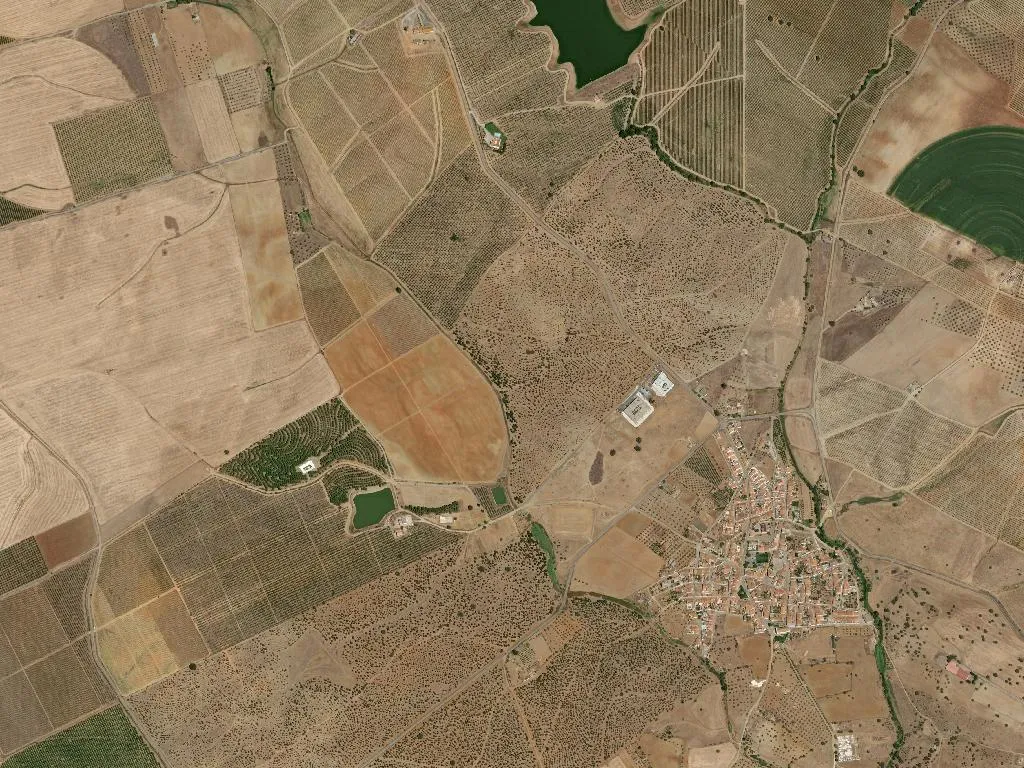
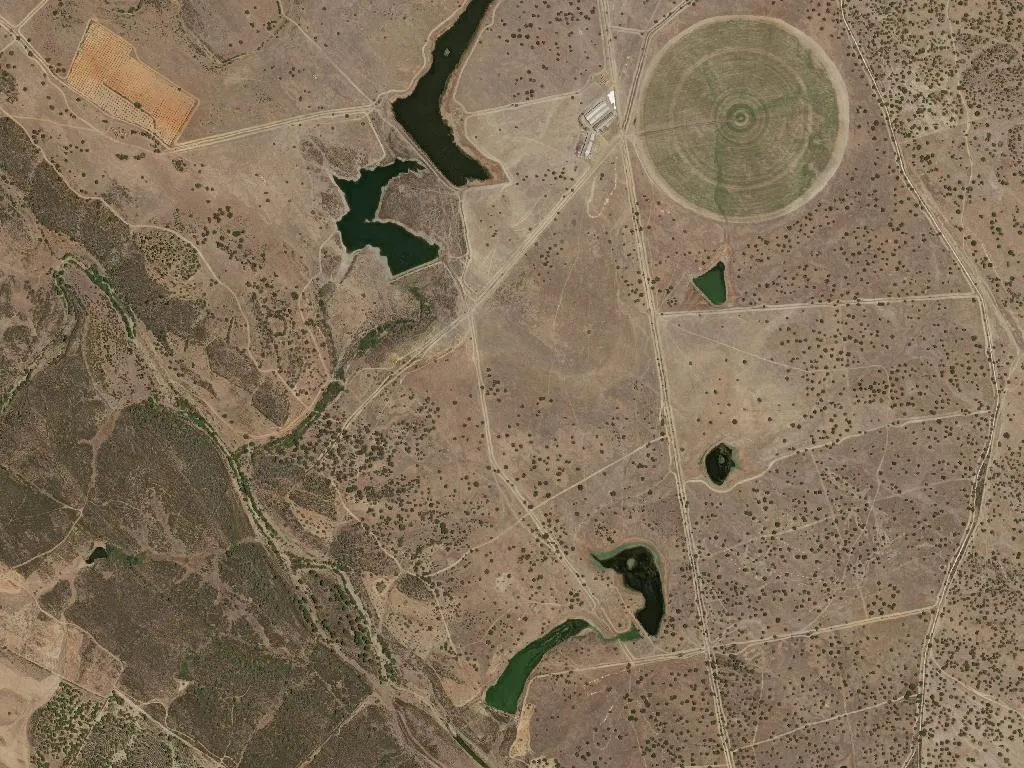
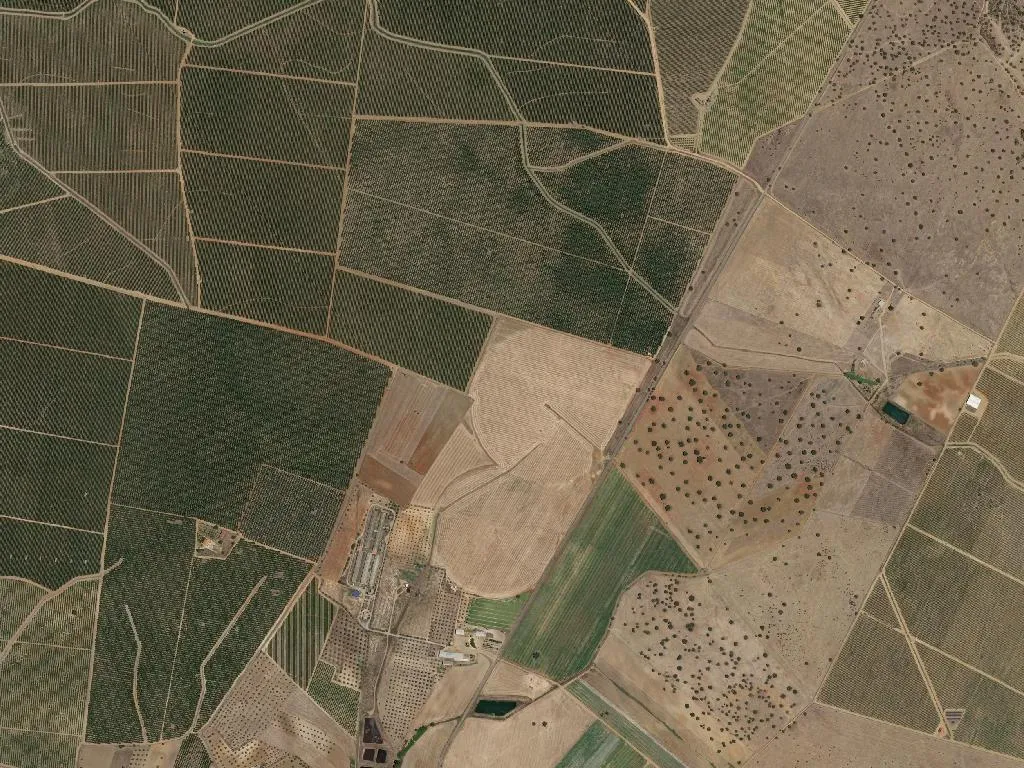
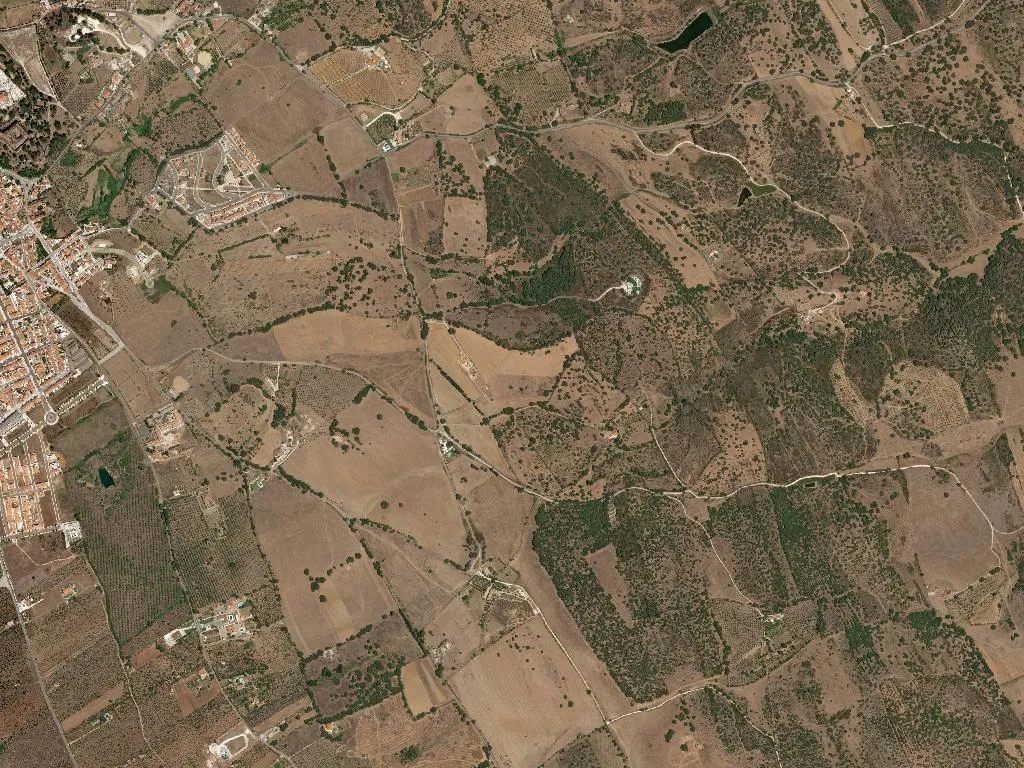
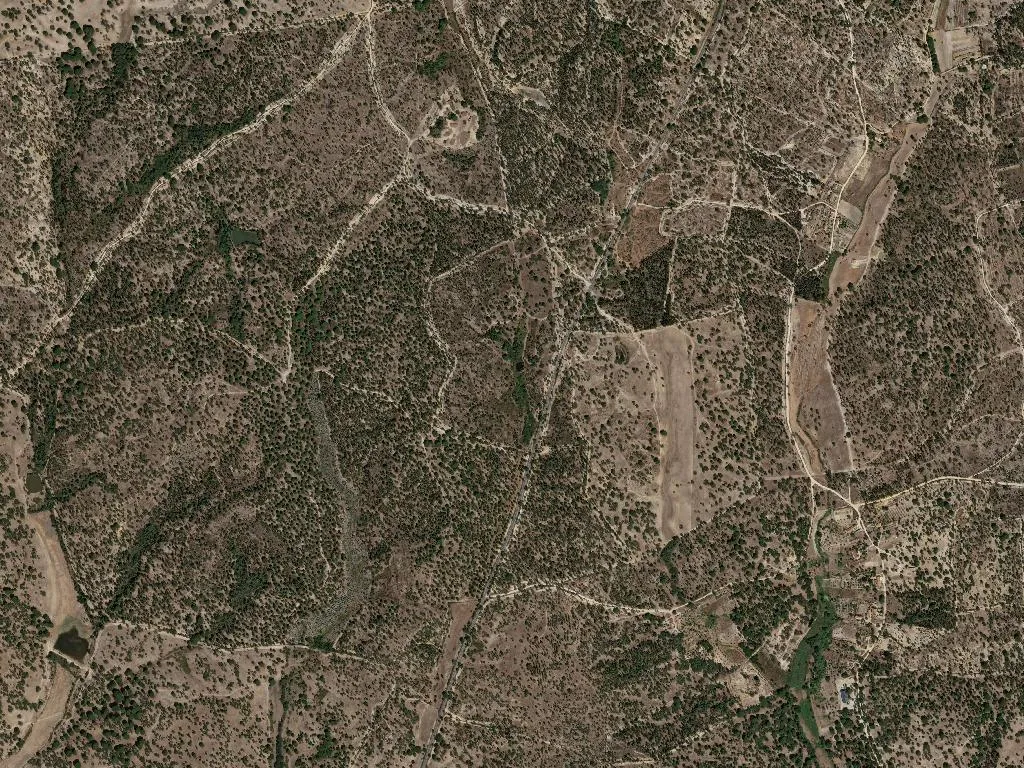
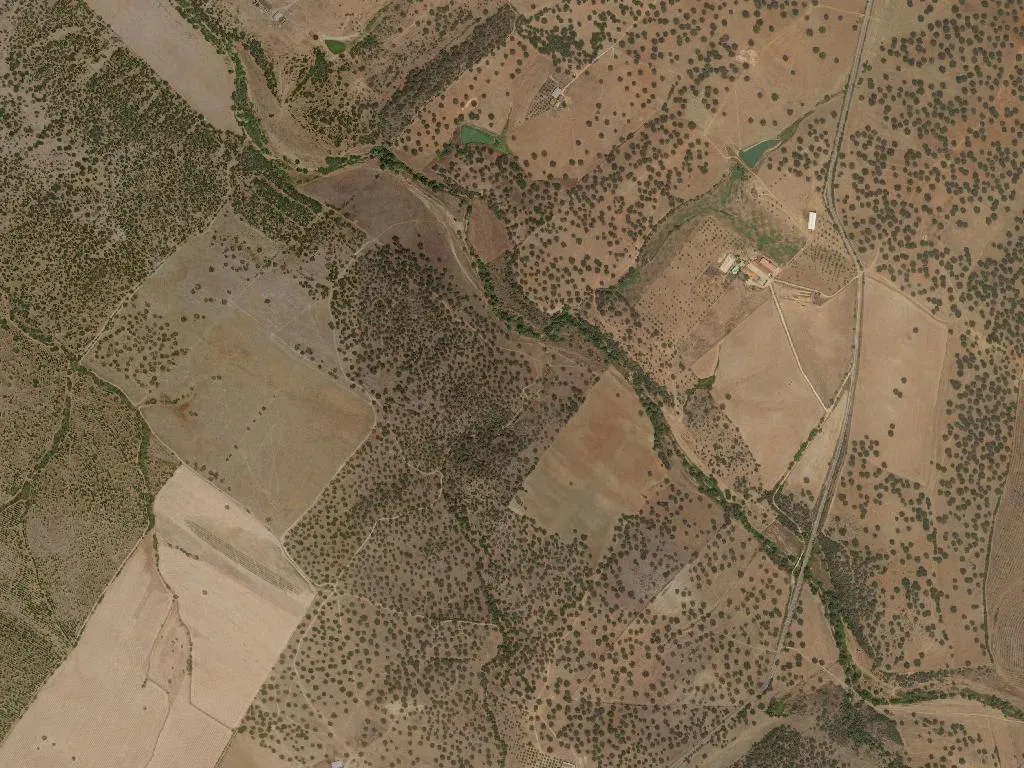
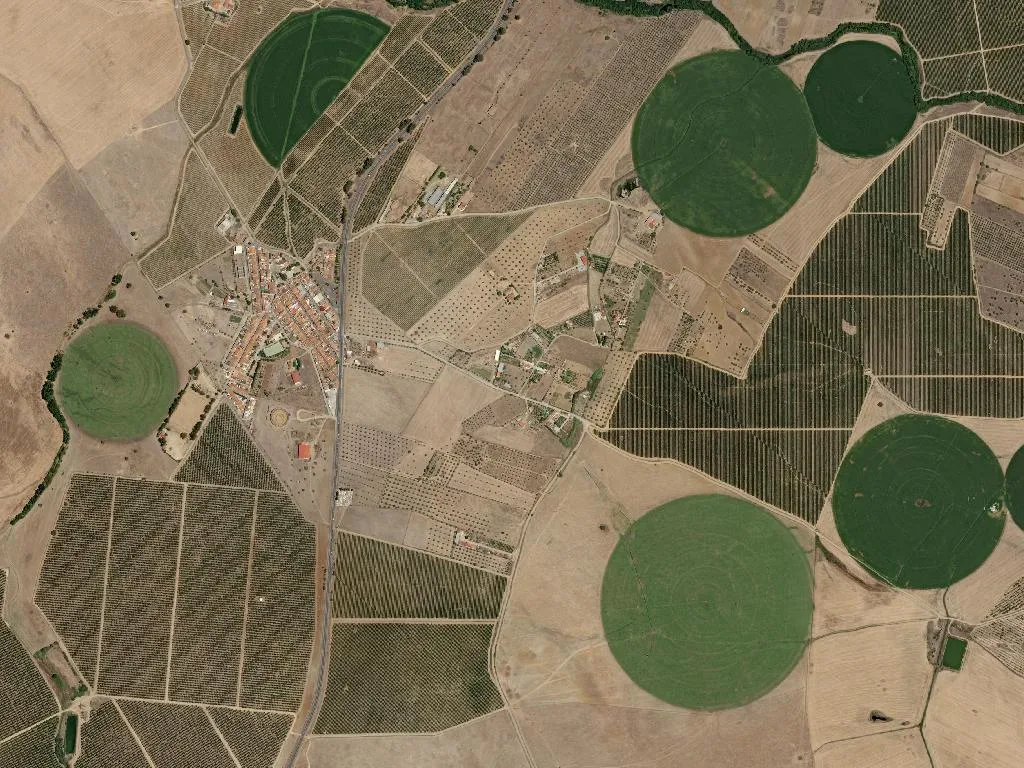
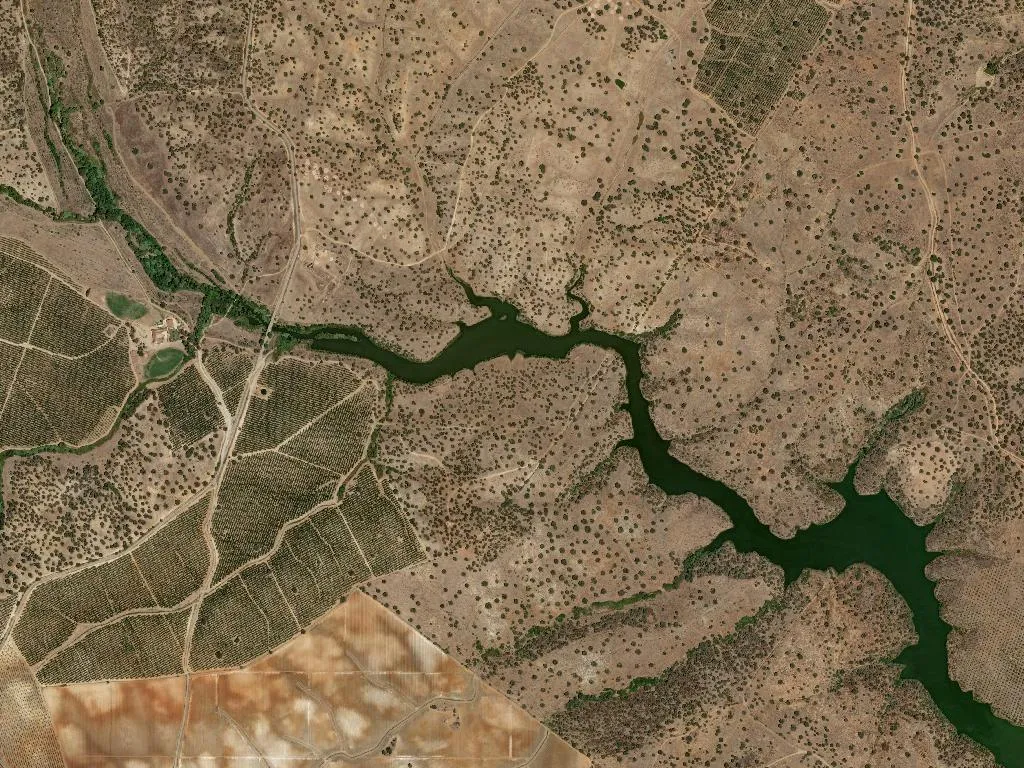
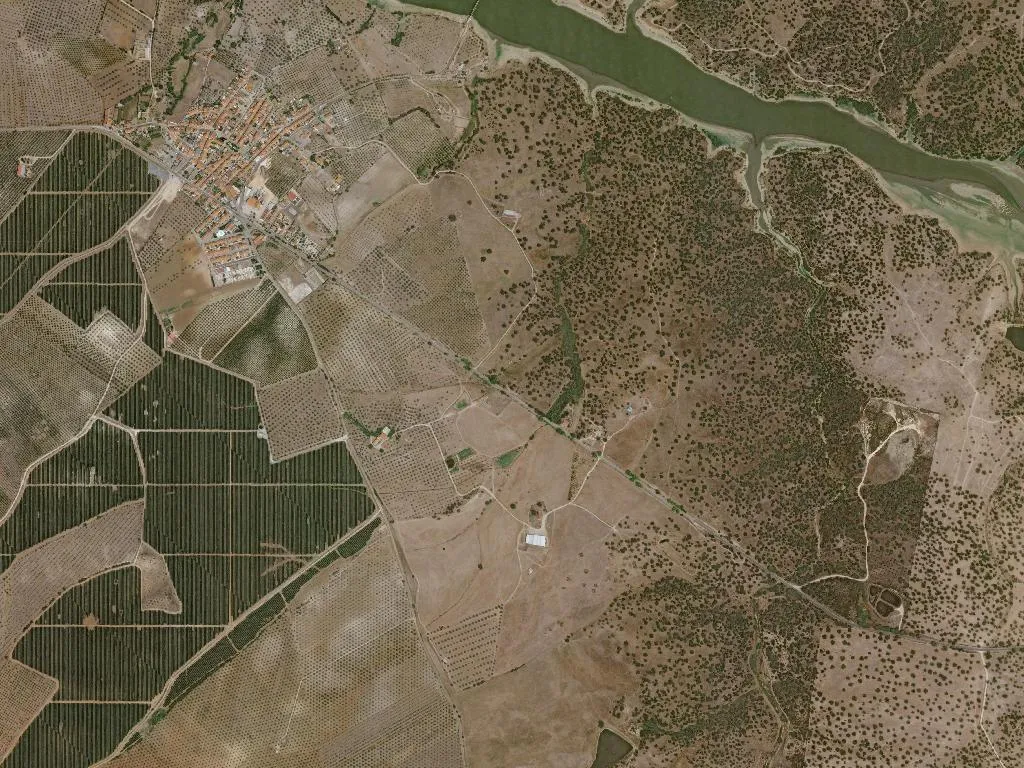
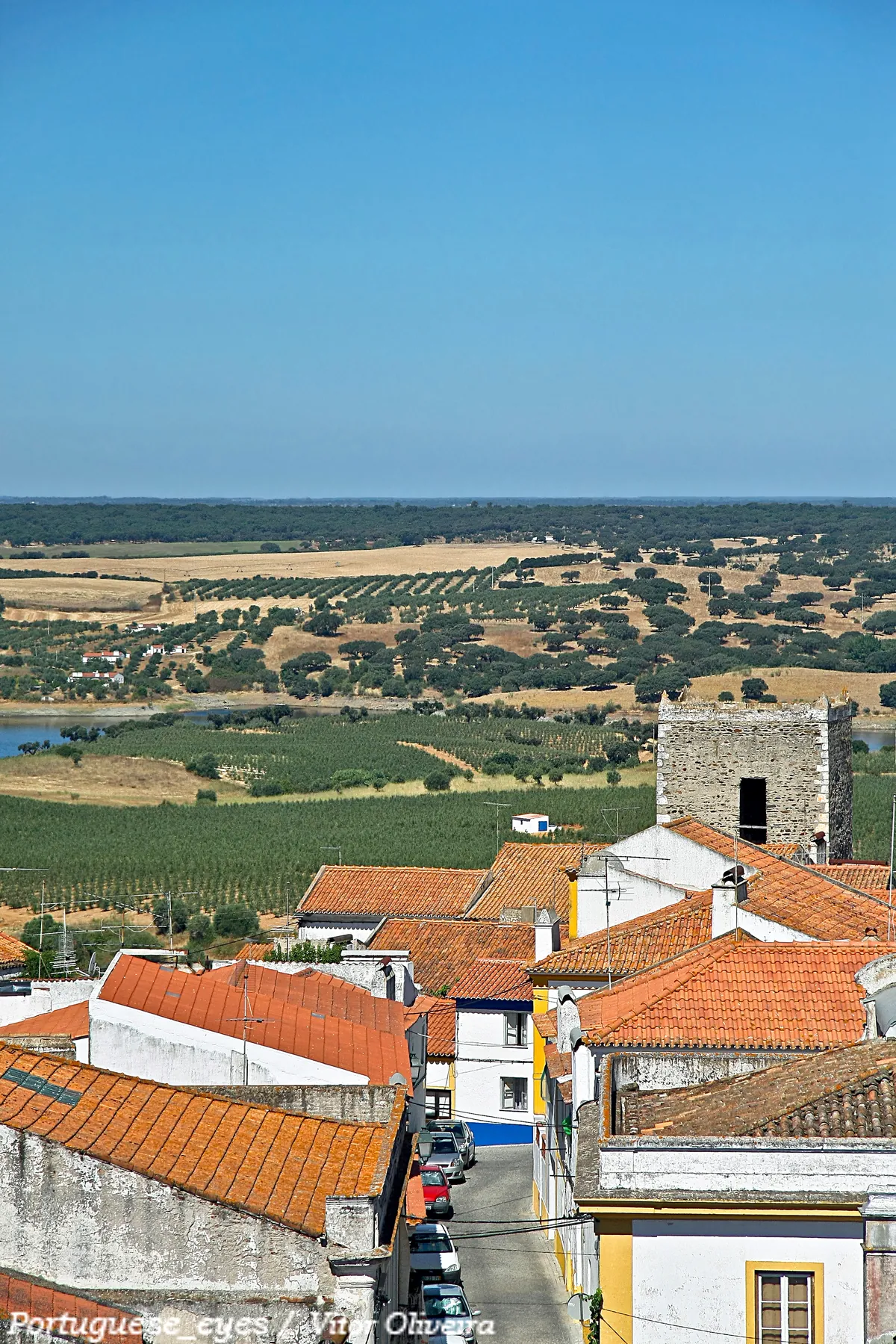
The parishes around Evora are a mosaic of cork oak woodlands, centuries-old olive groves and whitewashed villages with coloured bands — blue in Arraiolos, yellow in Montemor-o-Novo, ochre in Redondo. Each has its cooperative winery, monthly market and gastronomic specialty: Evora cheese, migas, lamb stew.
Practical tip
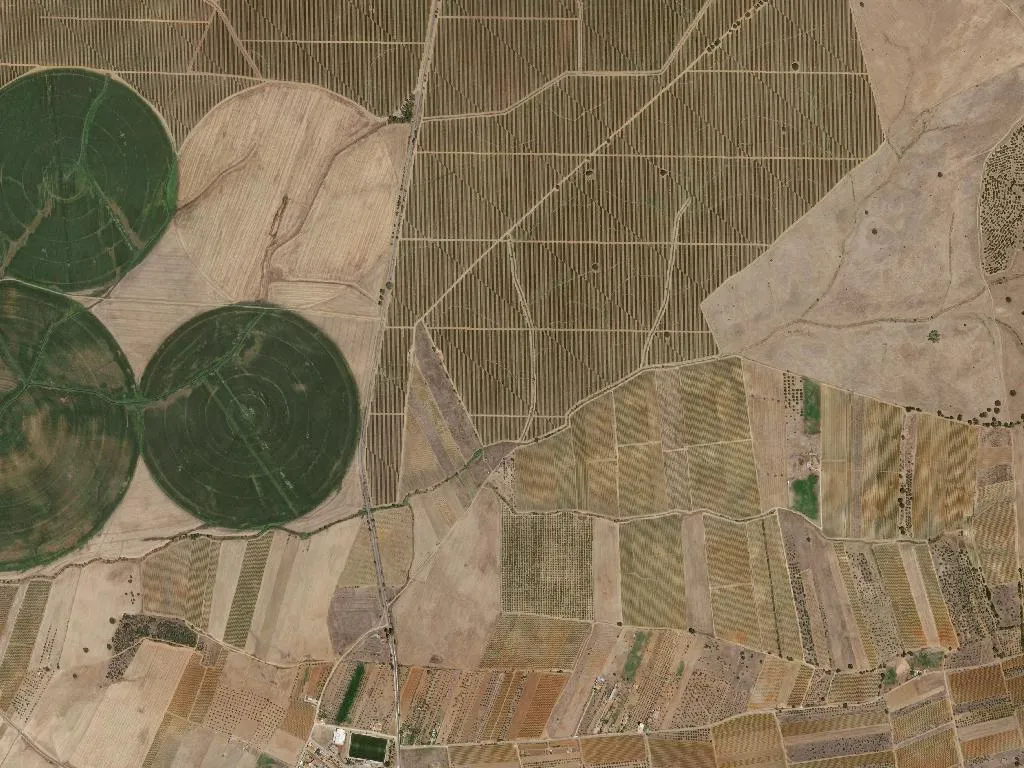
The Alentejo is extremely hot between June and September — temperatures easily exceed 40°C. The best time is March–May (green fields, wildflowers) or October–November (grape harvest, hunting season). Visit the wineries of Reguengos de Monsaraz and Borba to taste Alentejo reds at the source.