Full article about Casa Branca: Dawn Woodsmoke Over White-Washed Sousel
Where a back-to-front bell-tower, cork groves and iron-red vineyards hush the Alentejo plain
Hide article Read full article
Woodsmoke drifts through the olive groves at dawn, and the white façades around the praça catch the first sun like sheets drying on a line. Behind the altar of the parish church, the bell-tower rises in reverse, as though the building has been buttoned up the wrong way.
The village that changed its name
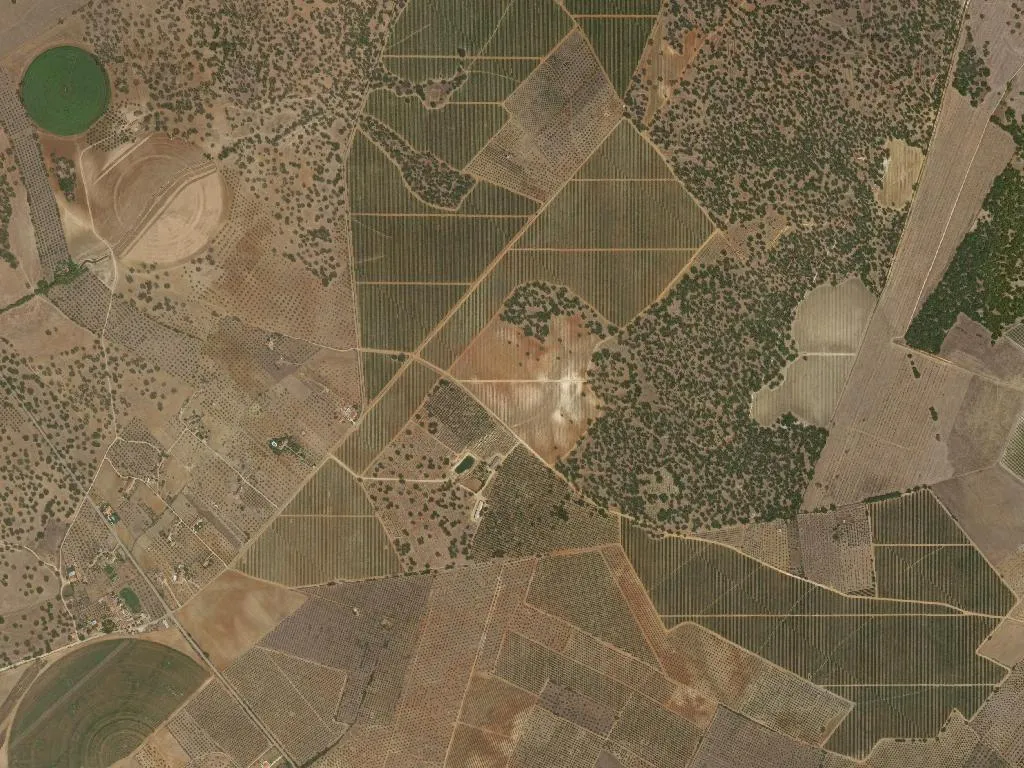
Auranca, recorded in 1098, became Casa Branca – probably after a solitary whitewashed farmhouse that served as a waymark on the sheep trails. Today 981 residents share 101 km² of cork and holm oak; fewer than ten souls per square kilometre.
When the tower grew backwards
Nossa Senhora da Graça was finished in 1690 with its campanile planted behind the chancel because the bells once hung from a great oak in the churchyard – the Carvalho do Sino, felled when the new tower arrived. On the surrounding hills, pre-Roman castros crown the old military road that linked the Tagus to the Guadiana.
What the land tastes like
Vineyards on iron-red soils give DOP wines under the Sousel label; sheep’s-milk Queijo de Évora and the buttery Mestiço de Tolosa appear on every board. Inside the houses, chouriço and paio still swing from ceiling hooks. The Mondadeiras collective keeps the women’s harvest songs alive. Follow the Lavre stream for two hours out and back to the hill-forts and you’ll meet no one except the occasional black pig grazing among the rockroses.