Full article about Mazarefes
Granite walls, Vinho Verde vines and camino shells thread Viana do Castelo’s quiet parish
Hide article Read full article
Between valley and Atlantic
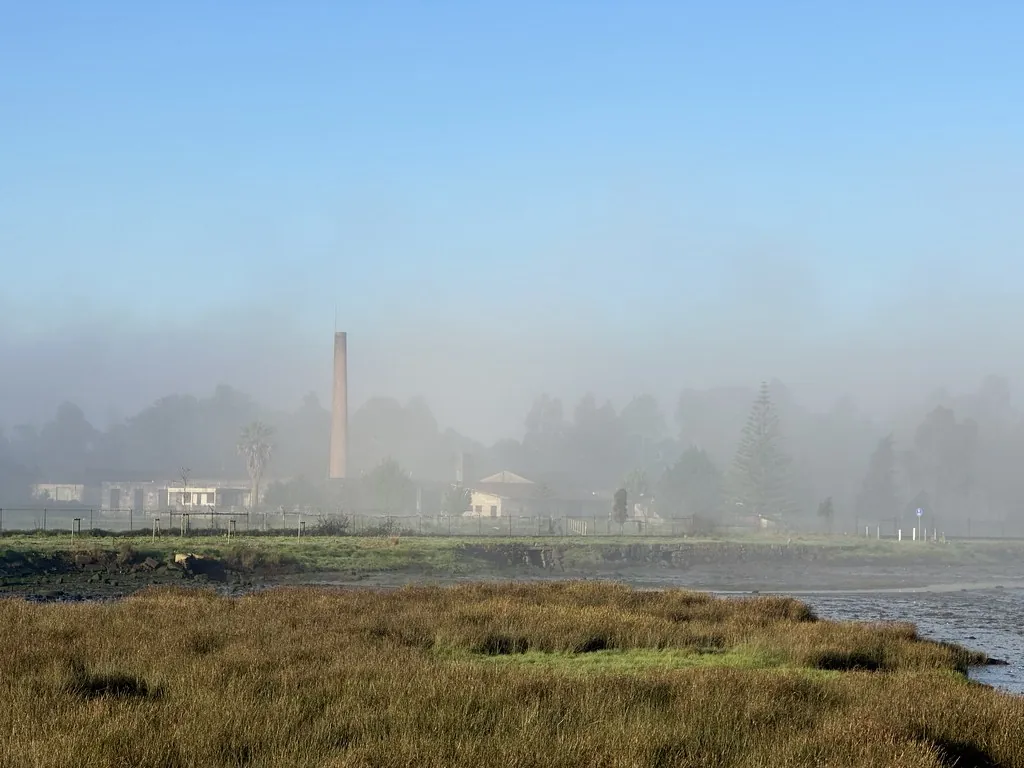
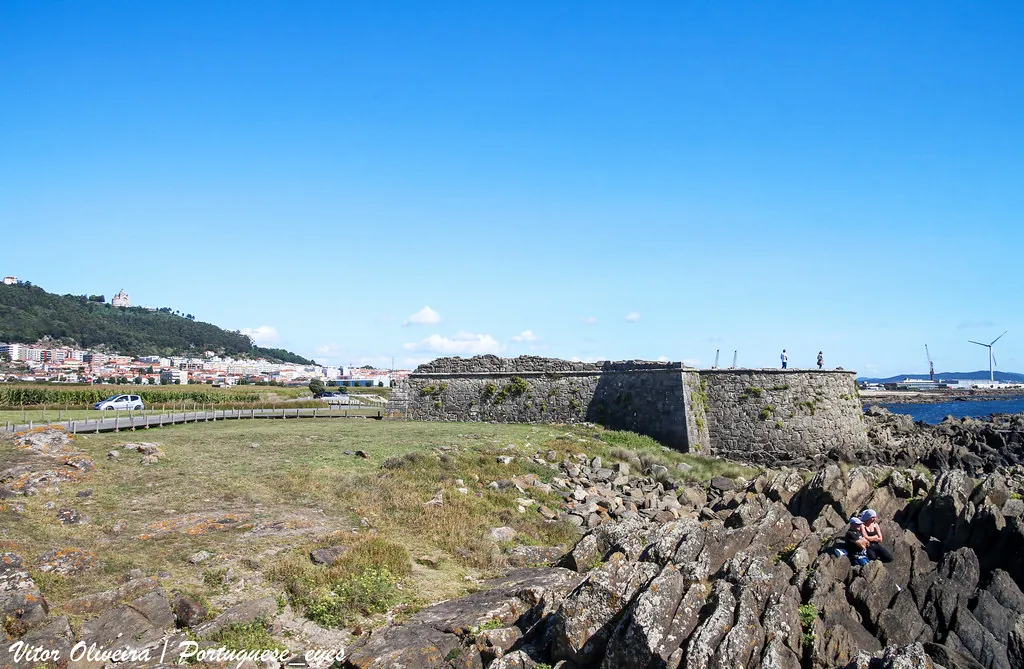
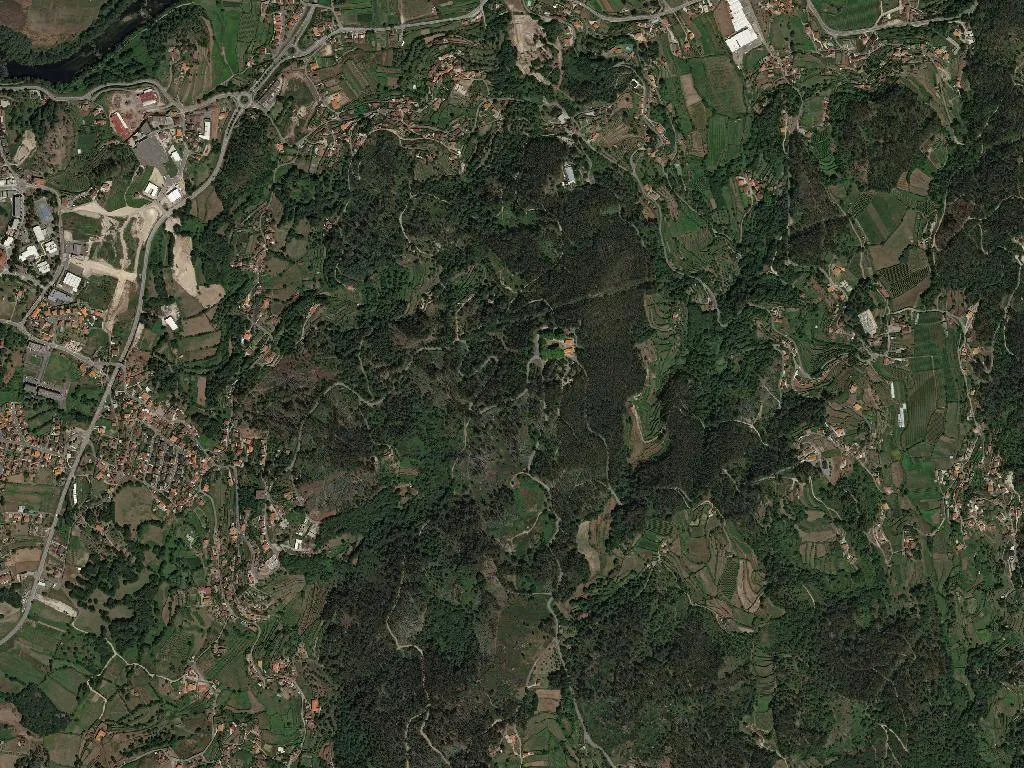
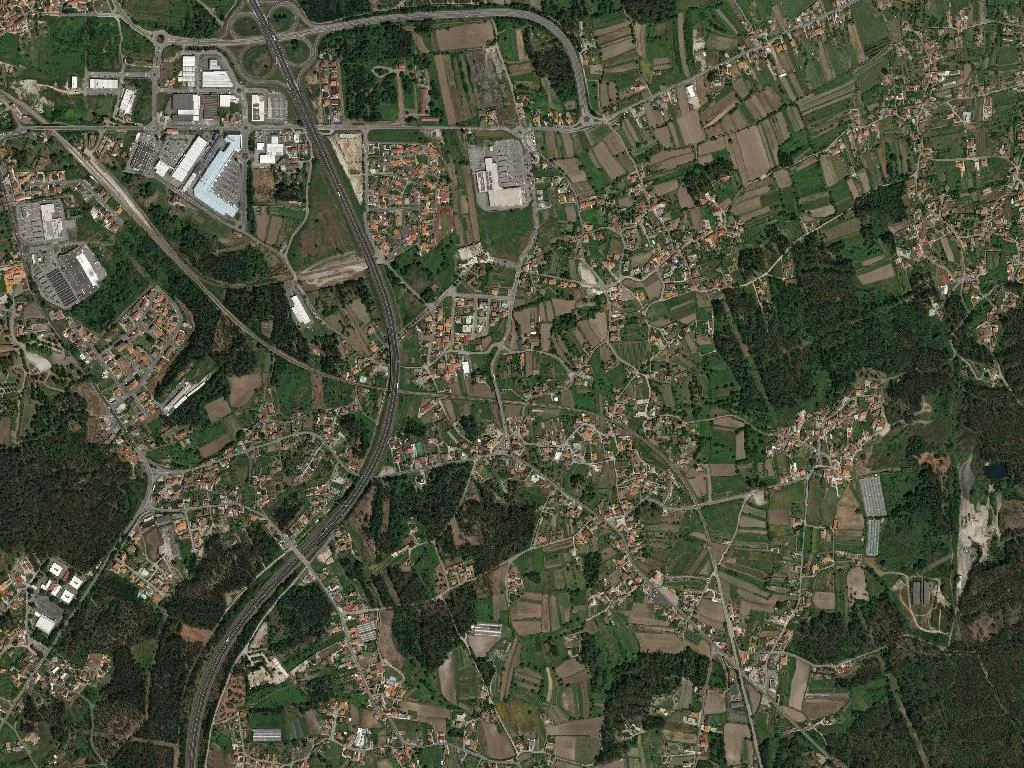
At 36 metres above sea level, Mazarefes wakes before the mist lifts. Maize stalks stripe the Lima valley floor; beyond them, the Atlantic glints like polished pewter. Granite walls drink in the low sun, and the parish church bell counts the hour the same way it did when the first tithe registers were inked in 1212. The name itself is a charter: mazare, from the Latin, signals land sown with cereals. Eight centuries later the rotation is much the same—Vinho Verde vines stitched between plots of silage corn—worked by tractors instead of oxen but still timed by frost and sea-wind.
Soil and passage
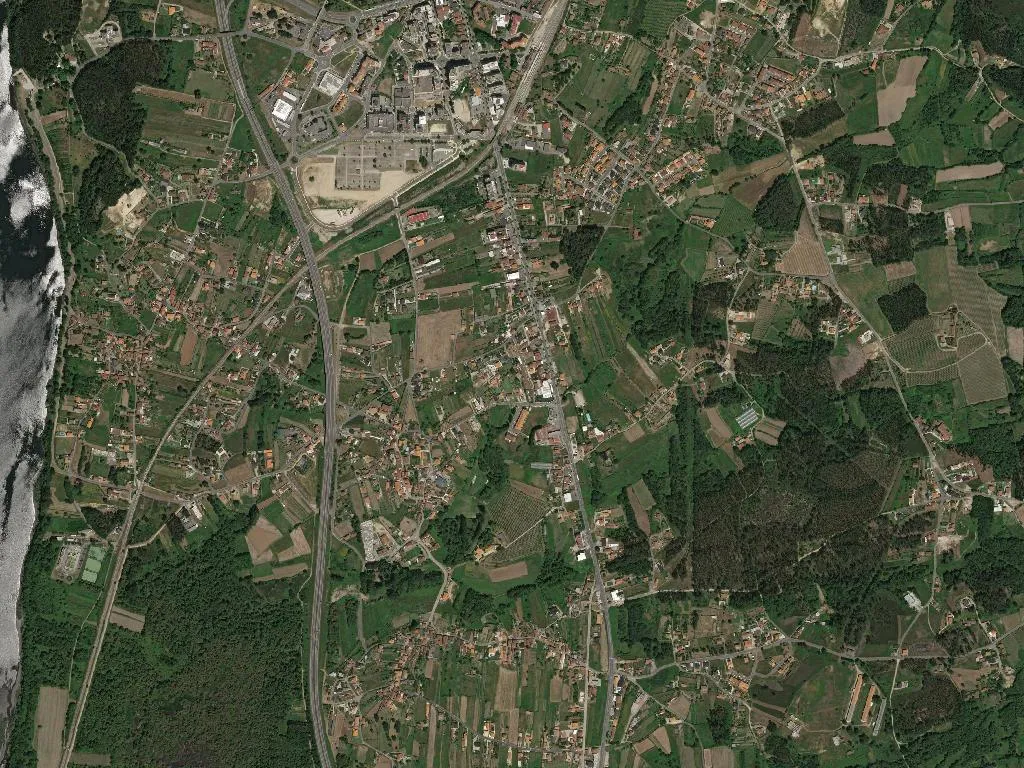
The municipality may list 1,247 residents, yet the fields spread across 405 hectares, enough for every household to keep a vegetable stripe and a pergola of loureiro grapes. Boundaries are low schist walls smothered in nasturtiums; irrigation channels date to the 18th-century reform of the Companhia Geral da Agricultura do Vinho do Alto Douro, proof that even this far north Lisbon’s bureaucracy once reached.
Way-markers of the Coastal Camino cut straight through the parish. In April and October the lane past the primary school turns into a conveyor of scallop shells: Germans on carbon bikes, Koreans in gore-tex, Portuguese veterans walking in memory. Three stone cottages have been quietly converted into albergue-style lodging; bread is left on the counter with an honesty box in euros and, lately, pesos.
Calendar of belief
Religious time is more reliable than Greenwich here. The Festa das Rosas, honouring Our Lady of the Rosary, drapes the tiny praça with marigold carpets that last only until the evening procession. Mid-August brings the Festa de Nossa Senhora das Neves, when lights are strung between plane trees and every household sets a card table of aguardiente and almond cake for whoever passes. The emotional crest is saved for Viana’s Romaria da Senhora d’Agonia: Mazarefes hires one coach, loads trays of sardines, and joins the flood of embroidered skirts, gold filigree and drums that pounds through the city’s narrow lanes for three nights. No one speaks of folklore; it is simply what mid-August feels like.
Tastes that split the difference
Lunch at the only tasca open year-round arrives on mismatched crockery: hake roasted with Vinho Verde, oil and nothing else, followed by rice studded with kidney beans and the scarlet blush of massa de pimentão. Pork is from the black-skinned bisaro pig still reared in backyard sties; the fish was landed at Viana before dawn. If the cook has run out of coffee she will send a child across the lane to borrow a cup from her cousin, repayment delivered the next day in olives.
Dusk
Evening pulls the sea air uphill. Woodsmoke from curing ham drifts across the maize stubble; somewhere a grader drags its blade, metallic and slow. By the time the sky bruises to violet the village has folded in on itself—windows shuttered, dogs fed, only the streetlamp outside the church left to argue with the dark. Stand still and you can hear the Lima river rounding the ox-bow below, carrying tomorrow’s tide a dozen kilometres inland, bringing the ocean back to the fields that named Mazarefes.