Full article about Moledo: fog-bound ridge where slate smells of rain
Camino’s granite tracks, kid goat slow-roast, key-under-flowerpot nights
Hide article Read full article
The wind lifts the scent of wet slate
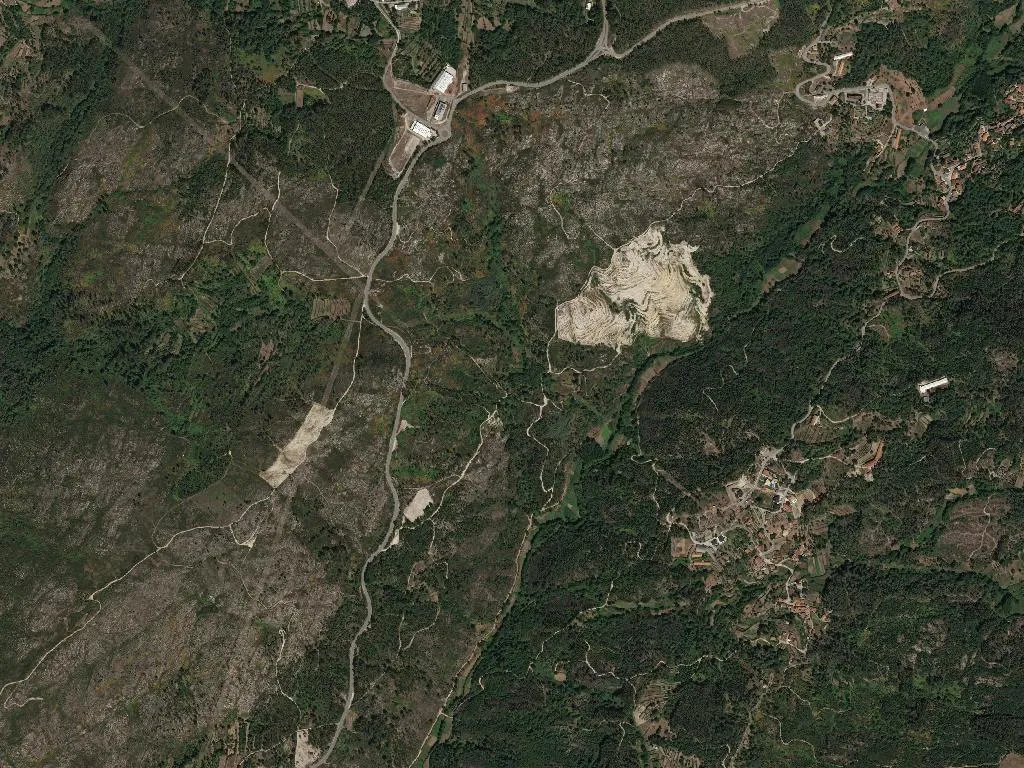
At just over 500 m the ridge rolls like a slow Atlantic swell, its crests dissolved by November fog. Moledo, a parish of Castro Daire, counts 1 049 souls across 49 km²—barely 22 for every square kilometre. Seniors outnumber schoolchildren seven to one; the primary school has two classes.
Between way-markers and soil
The Torres variant of the Caminho de Santiago cuts through these highlands without fanfare. There are no albergues, no stamp kiosks—only granite flagging that shares the camber with Massey Ferguson tractors and merino sheep. The climb out of the Paiva valley is a thigh-burning 300 m gain; by dusk the only light is the single bulb above the chapel of São Silvestre.
Gralheira on the plate
Cabrito da Gralheira IGP grazes the broom-covered scarps; its milk-fed kid appears on weekend tables as a four-hour roast, basted with white wine and bay. Vitela de Lafões IGP follows the same regimen—slow, smoky, served in kitchens where the ham still swings from ceiling hooks. Vineyards are pocket-handkerchief plots; the reds they yield are high-shouldered, edged with schistous tannin and rarely bottled beyond the neighbouring council.
Where tourism stops
Six dwellings are licensed for guests—all entire houses, no reception desks. Check-in is a key under a flowerpot; breakfast is whatever you carried from Castro Daire’s Intermarché 11 km away. The parish’s two listed monuments are a Roman milestone and a Baroque cross; the rest is slate and granite, moss working its way into every joint. In January the sun clocks off at five, leaving only wind and the tang of burning oak.