Full article about Castro Daire: Granite Echoes & Slow-Roasted Kid
Hear quarry bells, cross Távora’s 1842 arches, taste IGP goat caramelised in wood-fired ovens.
Hide article Read full article
The Sound of Stone
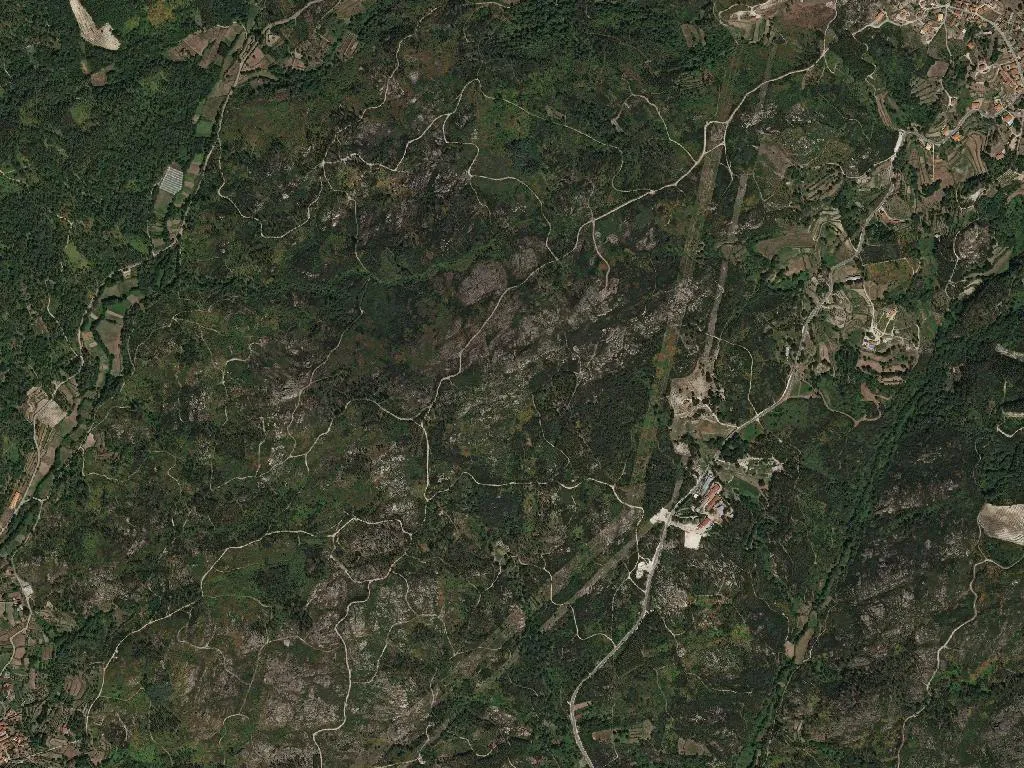
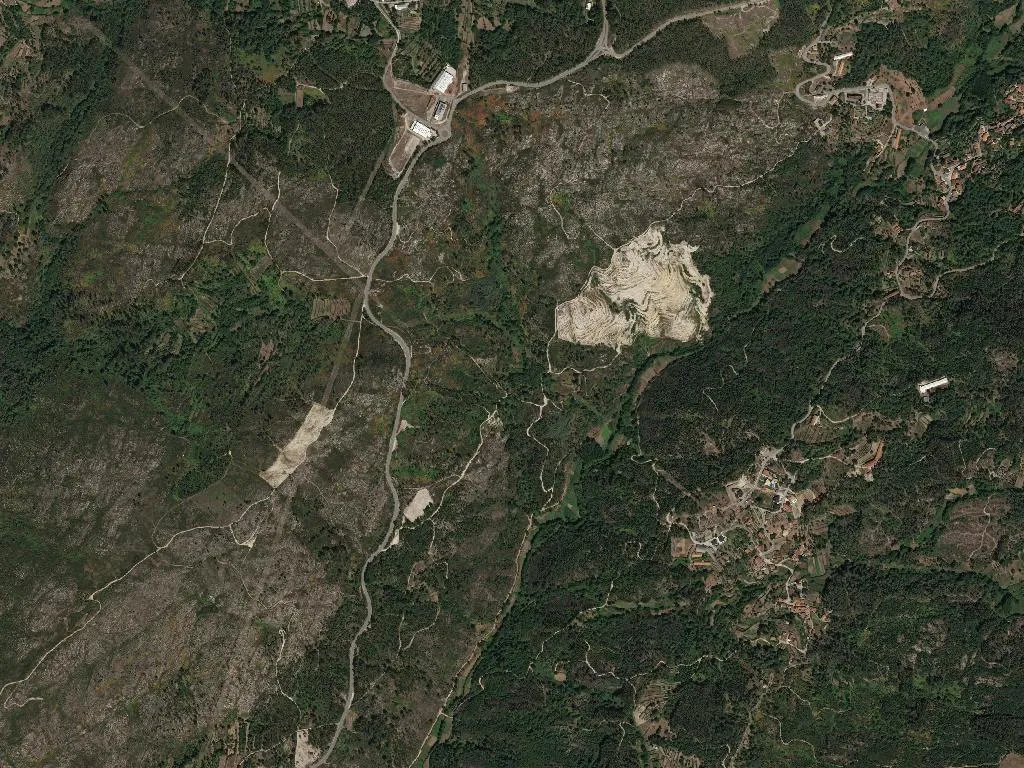
Before dawn, the quarries around Castro Daire ring with the screech of carbide teeth biting into granite. For a century this was the town’s reveille: gangs of stone-cutters easing grey monoliths from the Serra do Arada, then feeding them to the frame-saws that still stand—idle now—in the yards off Rua do Corte. The same granite built the manor houses along Rua Direita, the capitals in the mother church, even the stone cross outside the cemetery where the stonemasons pause, lunchbox in hand, before the first light hits the blade.
A Landscape Weighed Down
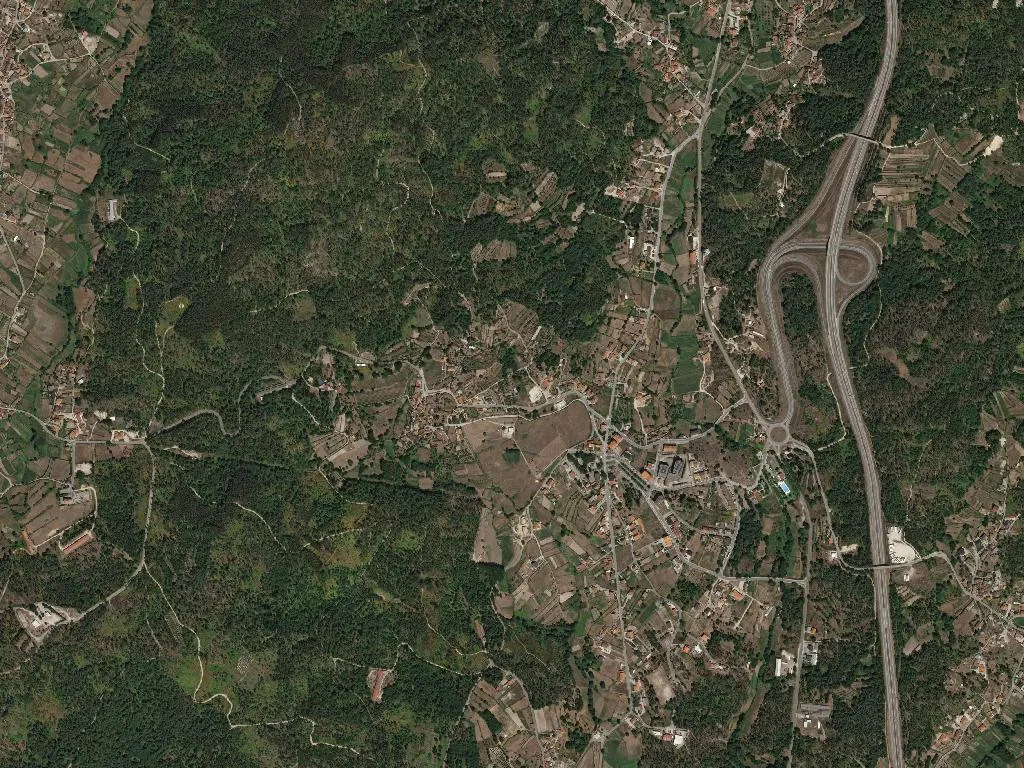
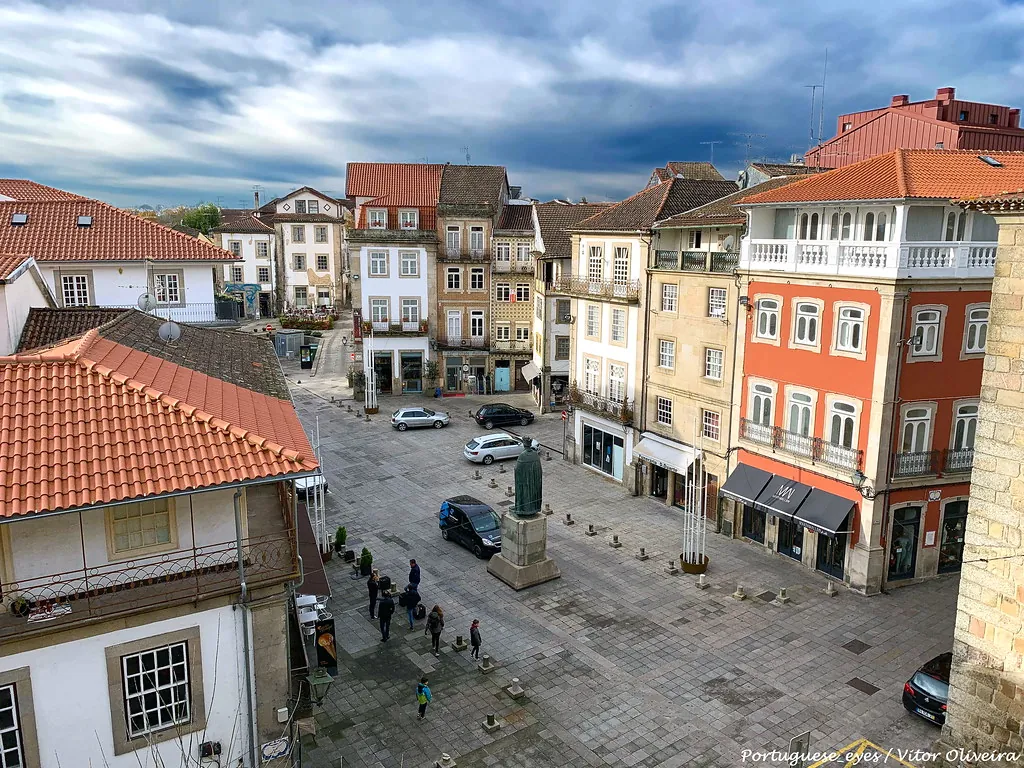
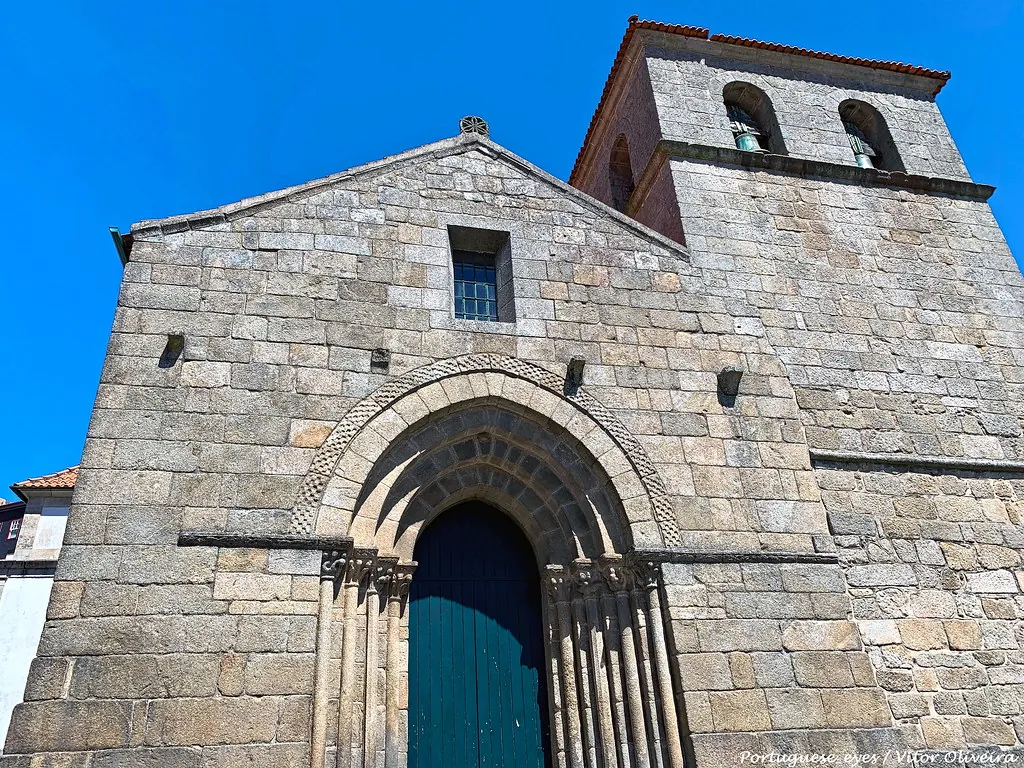
Castro Daire became a municipality in 1836, but its charter was granted by King Sancho I in 1199, wresting the high ground from the Moors and renaming it after the Roman castrum that still sits under the football pitch. The parish church, rebuilt in the 1530s, shelters a Mannerist altarpiece smothered in gilt and 18th-century tiles that turn battles into blue-and-white comic strips. Next door, the former Episcopal Palace of Lafões—now the cream-painted town hall—reminds locals that bishops once collected tithes here. Cross the Ponte de Távora, its medieval arches refashioned in 1842, and the river exhales a chill that climbs your shins even in midsummer.
Meat That Unhurriedly Yields
Cabrito da Gralheira IGP is not supermarket kid. The animals browse mountain broom until they tip the scales at eight kilos, then enter the wood-fired oven for four slow hours until the skin blisters into bronze glass. Vitela de Lafões IGP, milk-fed and rose-veined, appears either as a stew thickened with smoked paprika or simply grilled, the surface caramelised while the centre stays the colour of strawberry blancmange. Both arrive with broa de milho, a dense maize loaf that tastes faintly of sourdough, and finish with pumpkin jam studded with stone-pine kernels or a cinnamon-scented sponge called bolo de festa. Dão reds—touriga-national led—provide the bass line; a final thimble of medronho from São Macário burns off the sweetness and leaves the head improbably clear.
Water That Drops and Runs
Serra de São Macário tops out at 1,054 m and blocks half the sky. Below its northern scarps, the Cascata do Mourão dives 70 m through maidenhair ferns into a plunge pool the colour of bottle glass. The signed PR1 footpath—“Trilho dos Currais”—reaches the falls in 45 minutes, cork oaks giving way to maritime pines carpeted with rust needles. Further down, the Paiva River, one of Europe’s least polluted, slides over schist beds so clean you can count the trout. At the Açude de Pêra, locals launch packrafts and paddle-boards, drifting three kilometres on melt-water that numbs the toes by June.
Gestures That Repeat
On 20 January the bells of São Sebastião call the village to a dawn mass, followed by a procession and the breaking of bolo seco—dry sponge—into chunks handed out at the chapel door. The last Sunday of August belongs to Nossa Senhora da Guia: the main square fills with pop-up tascas grilling sardines, and the brass band plays until the cobbles vibrate. At the Feast of St Peter on 29 June, riders in brocade tunics trot through the streets to the thud of bass drums, a half-secular, half-sacred cavalry parade. October’s livestock fair turns the fairground into a fug of lanolin and smoked sausage; fleeces, schist handicrafts and cloth-wrapped cheeses hang from hemp ropes like edible bunting.
Few linger. A variant of the Caminho de Torres, the lesser-known branch of the Camino, skirts the parish boundary: walkers refill bottles at the spring by the church, tighten hip-belts and leave. Castro Daire is a place to pause, not a destination—where granite blocks still wait for the saw, and the roar of the waterfall lingers in the inner ear long after the descent is finished.